Asst. Lect. Tabarak Hameed Hussein, from the Department of Arabic Language, Faculty of Education, Al-Zahraa University for Women, has published two research papers in Al-Bahith Journal, issued by the Faculty of Education for Human Sciences, University of Karbala.
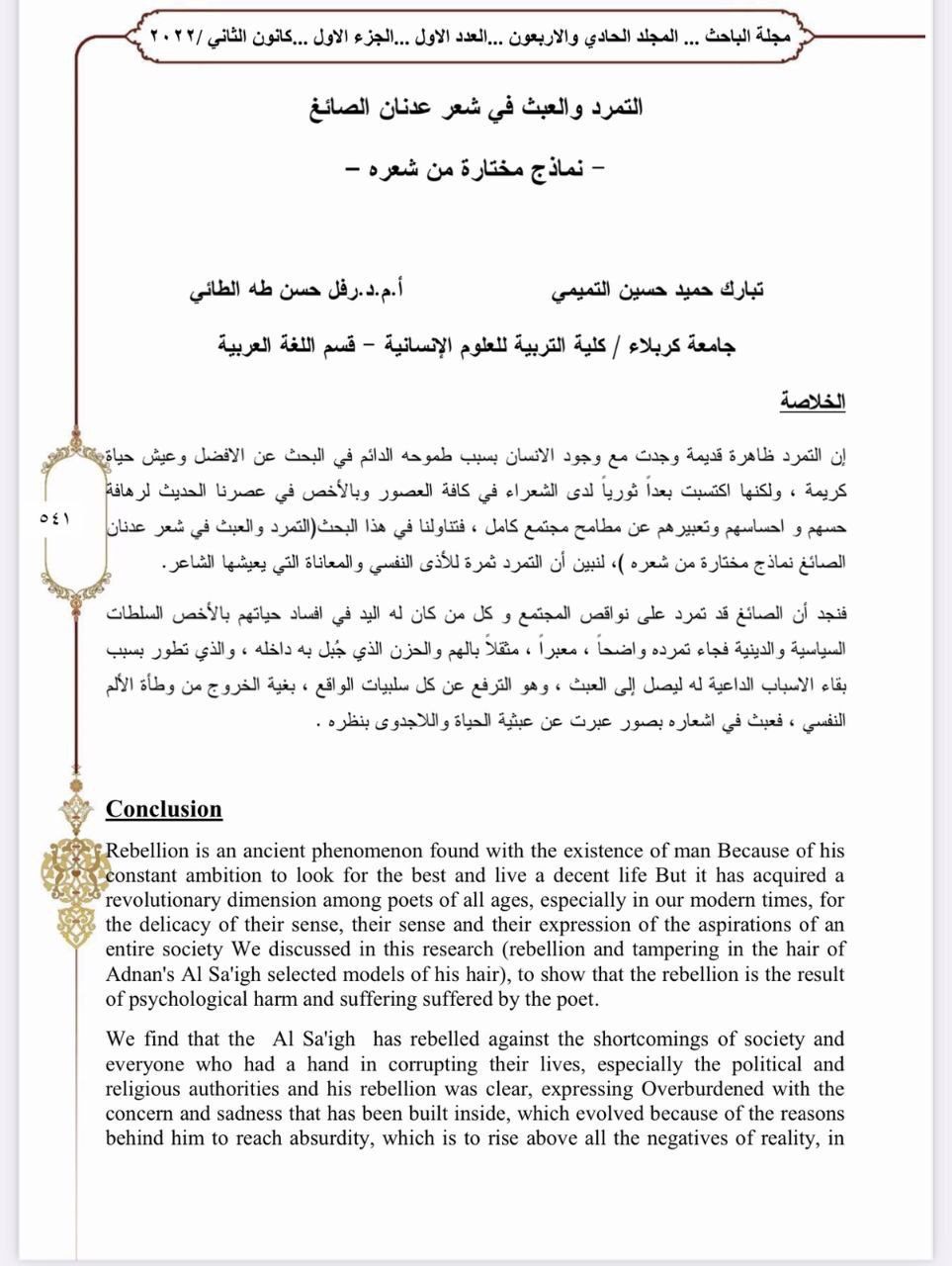
The first paper, entitled “Rebellion and Absurdity in the Poetry of Adnan Al-Sayegh: Selected Poems”, examines the concept of rebellion, arguing that it assumes a negative dimension when it is confined merely to rejection. The study maintains that a true rebel is one who recognises a genuine alternative to what is rejected, as authentic rejection can only arise from awareness of a meaningful substitute. Accordingly, rebellion should remain free from fanaticism and personal convictions that conflict with the interests of society. The paper further emphasises that rebellion is not simply a creative act practised by the poet; rather, it is an existential stance through which the poet seeks to comprehend the world as a whole and stimulate intellectual debate on its complex aspects that resist easy interpretation. Within this context lies the dynamic essence of literature of rebellion.
The study concludes that the rebellious poet believes in genuine social change and strives to achieve it by rejecting and challenging existing realities. Through poetic expression, such writing serves as a revolutionary force that inspires oppressed peoples to pursue their most fundamental right—the right to live in peace.
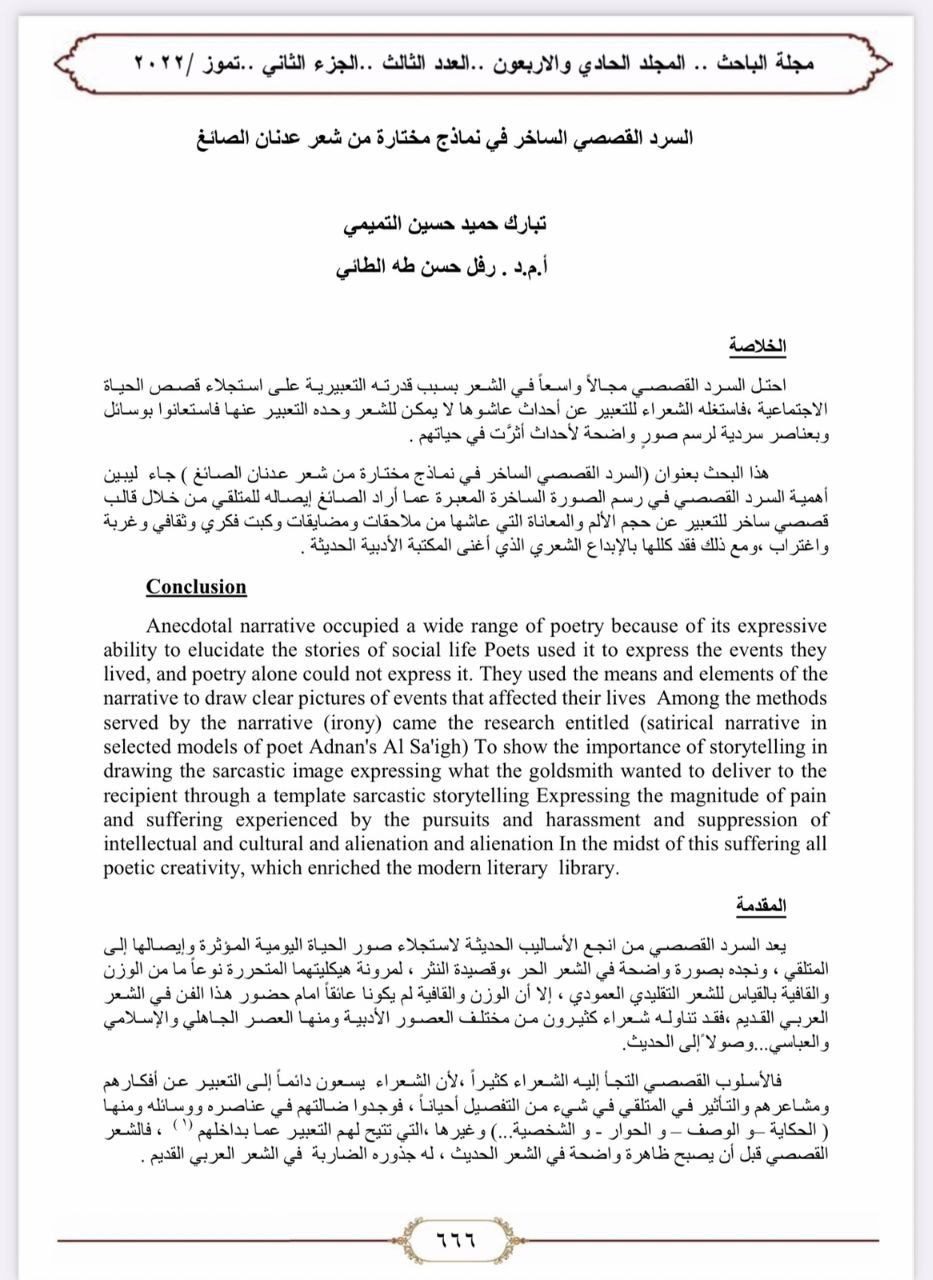
The second paper, entitled “Satirical Narrative Discourse in Selected Poems of Adnan Al-Sayegh”, investigates the employment of narrative techniques in Adnan Al-Sayegh’s poetry, highlighting the significance of storytelling as an artistic means of expressing ideas and emotions while engaging the reader through detailed narration. The study demonstrates that poets have long relied on narrative elements—including plot, description, dialogue, and characterisation, to convey their inner experiences. Although narrative poetry became a distinctive feature of modern Arabic poetry, its roots extend deeply into the classical Arabic poetic tradition.
The paper further explains that, owing to the abundance of life events and personal experiences that shaped Al-Sayegh’s life, emotional expression alone was insufficient to convey their complexity. Consequently, he adopted a narrative approach not as a predetermined literary form or merely an experimental technique, but as an essential means of portraying reality and documenting the events that profoundly influenced his psychological state and life as a whole. His narrative poetry successfully communicates these experiences by presenting specific incidents and personal situations through compelling artistic narration, sustaining the reader’s interest until the events reach their climax and resolution.
Translated by Zahra’ Ala’
Attachments
Latest News and Activities
Related Posts
Further reading and related articles you may find useful.
 University News
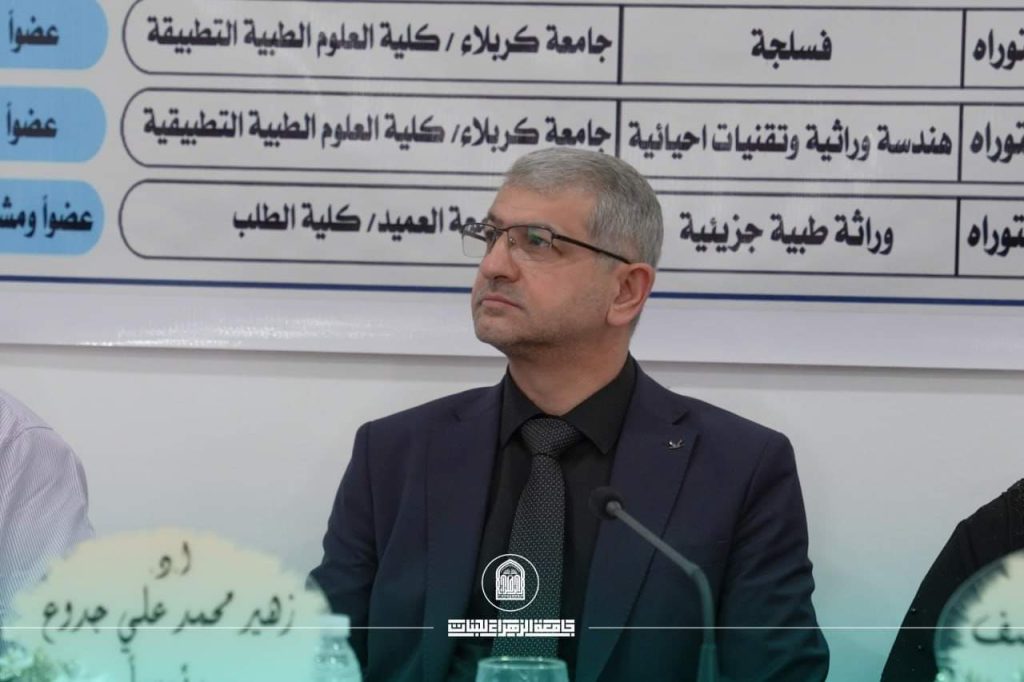
Al-Zahraa University Scientific Assistant President Chairs Kerbala University MSc Discussion Committee.
Prof. Dr Zuhair Mohamed Ali Jadoua, Scientific Assistant President of Al-Zahraa University for Women, chaired an MSc discussion committee at the Faculty of Applied Medical Sciences/Department of Pathology/Kerbala University. Ms. Zahraa Majid Jasb, MSc student...
 University News
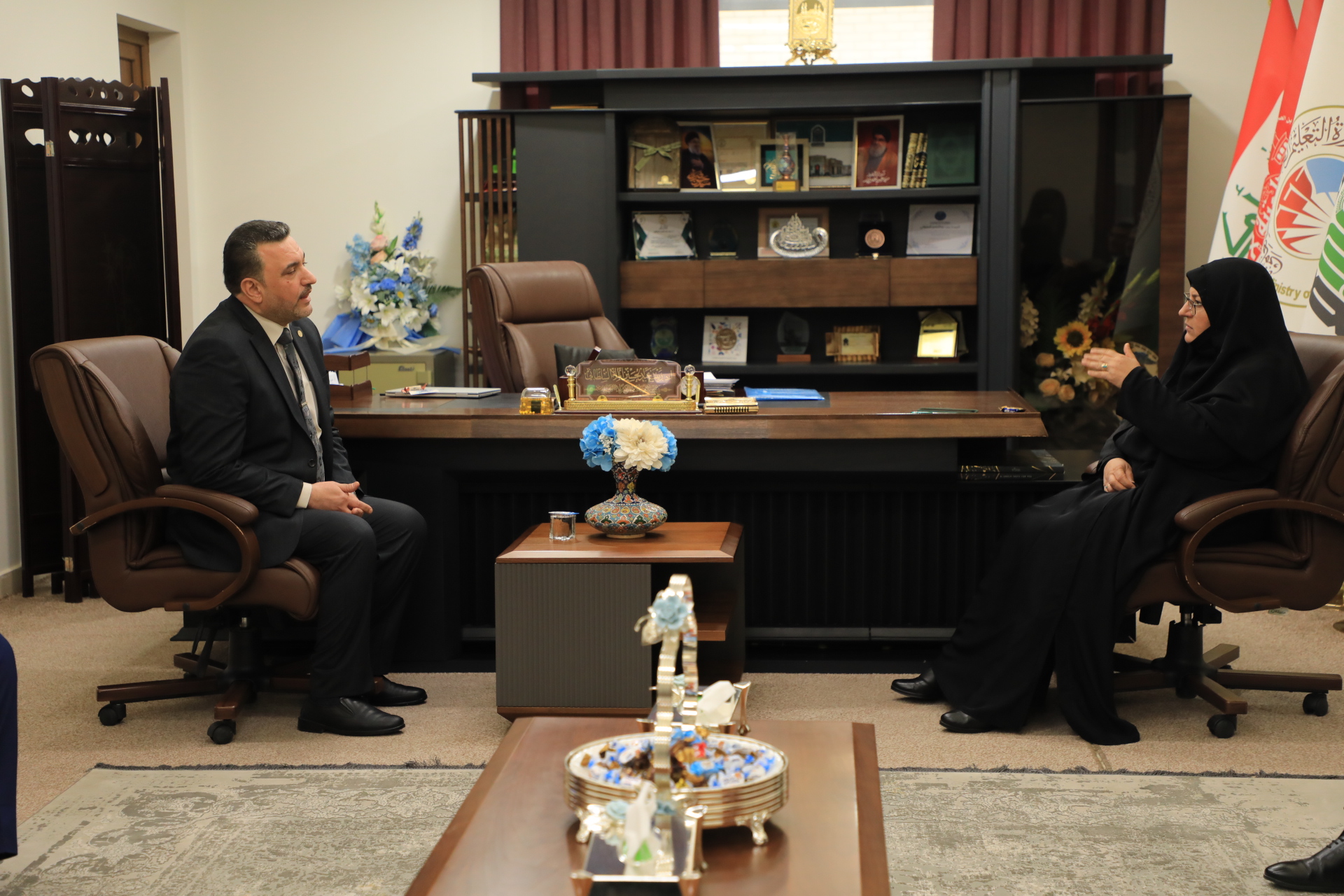
Al-Zahraa University Signs Understanding Memorandum with Imam Hussein Manuscripts and Verification Centre
Al-Zahraa University for Women has signed an Understanding Memorandum with Imam Hussein Centre for Manuscripts and Verification, with a view to ameliorate the educational process. Prof. Dr. Zainab Al-Mulla Al-Sultani, the University President presided over the...
 University News
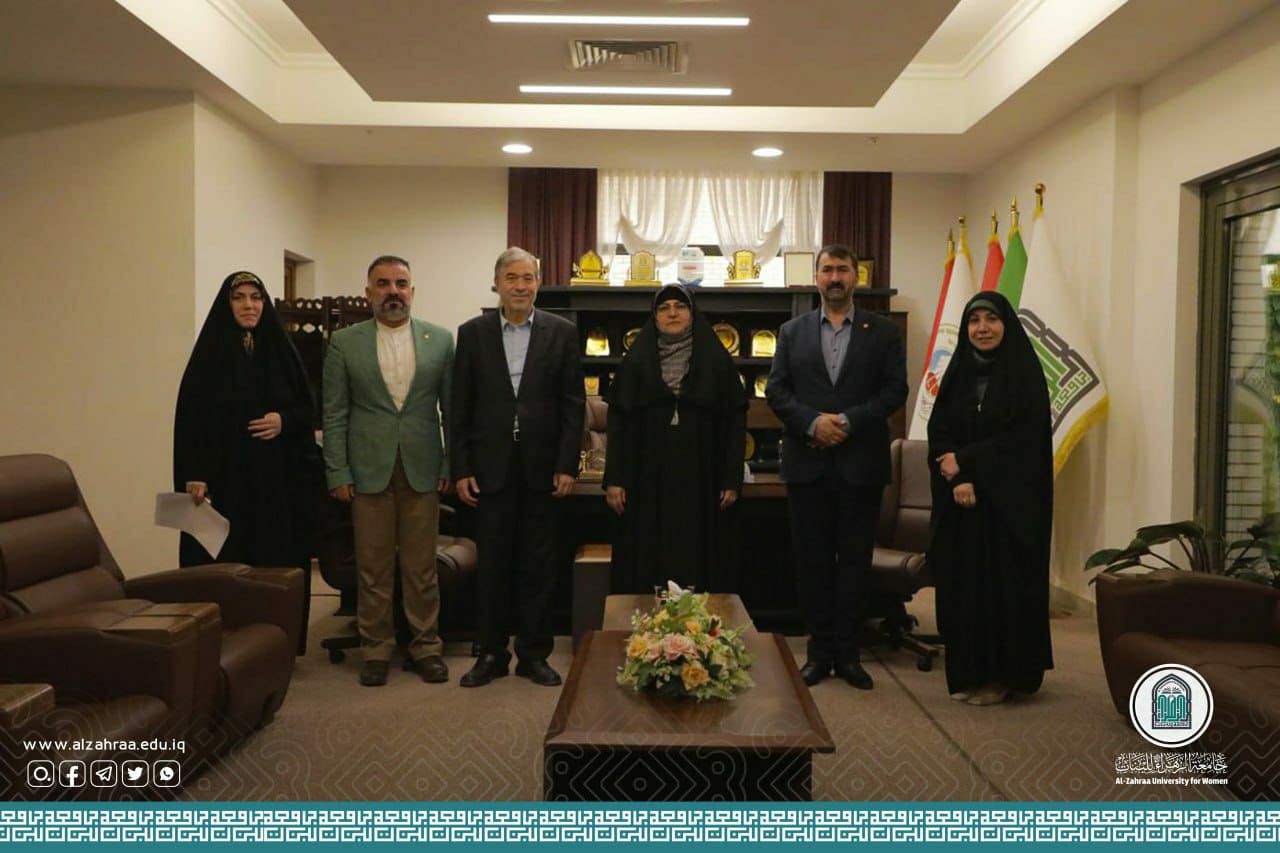
Karbala Delegation Visits ZUW Campus
A delegation from Karbala visited the campus of Al-Zahraa University for Women and met with Prof. Dr. Zainab Abd Al-Hussein Al-Mulla Al-Sultani, President of Al-Zahraa University for Women. During the meeting, both parties discussed the successful experience o...
 University News
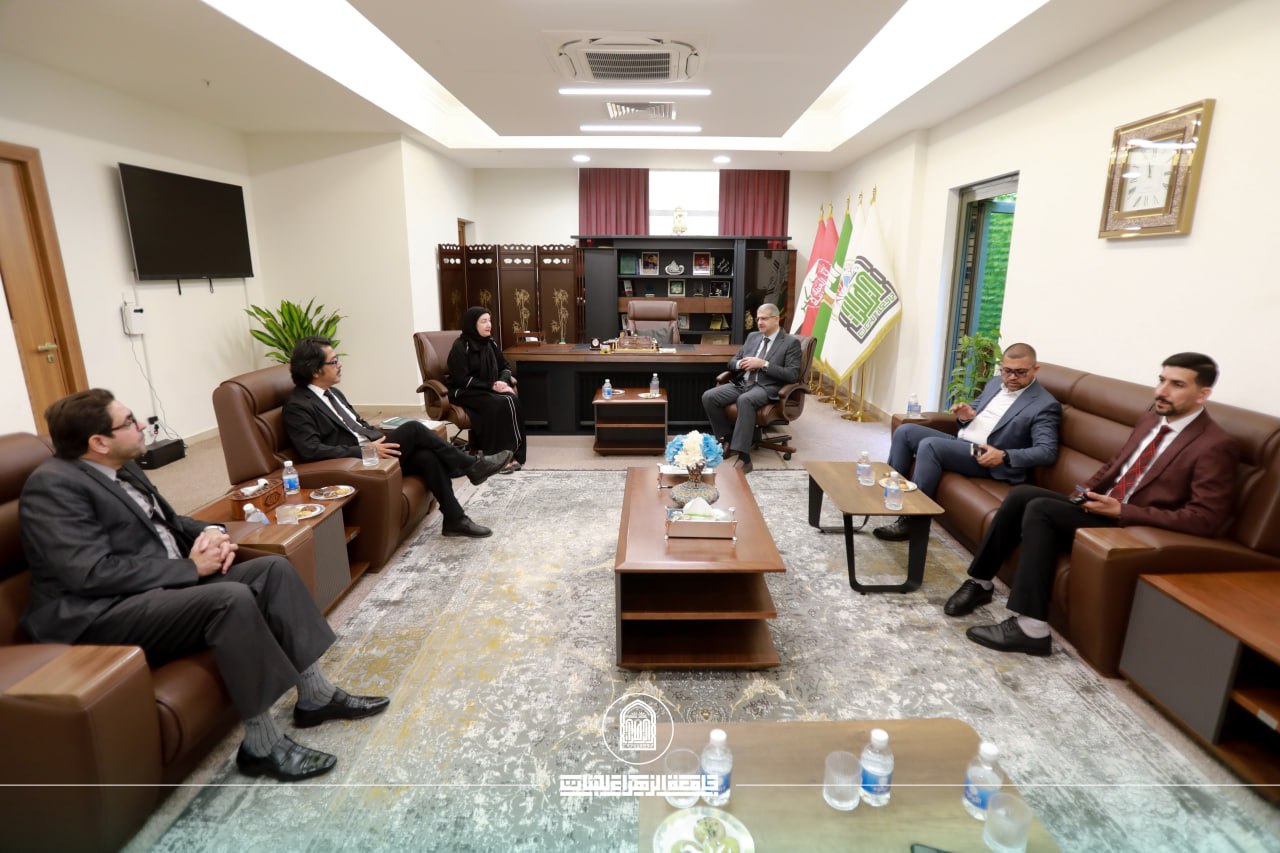
Visiting French Delegation Cognizes Al-Zahraa University’s Modern Architectural Design and Notable Educational Environment
In a remarkable initiative reflecting the University’s unwavering commitment to excellence and innovation, Al-Zahraa University for Women received a French delegation of modern architecture experts. The said visit was intended to appraise the University’s educ...