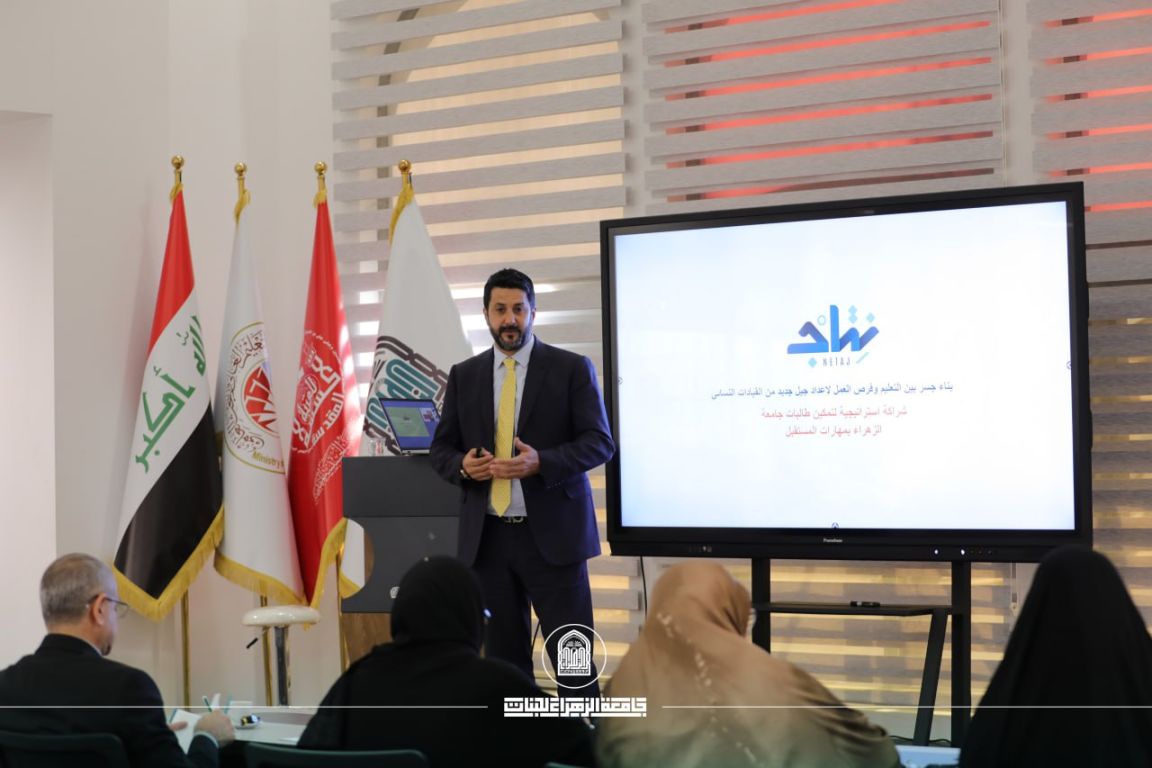
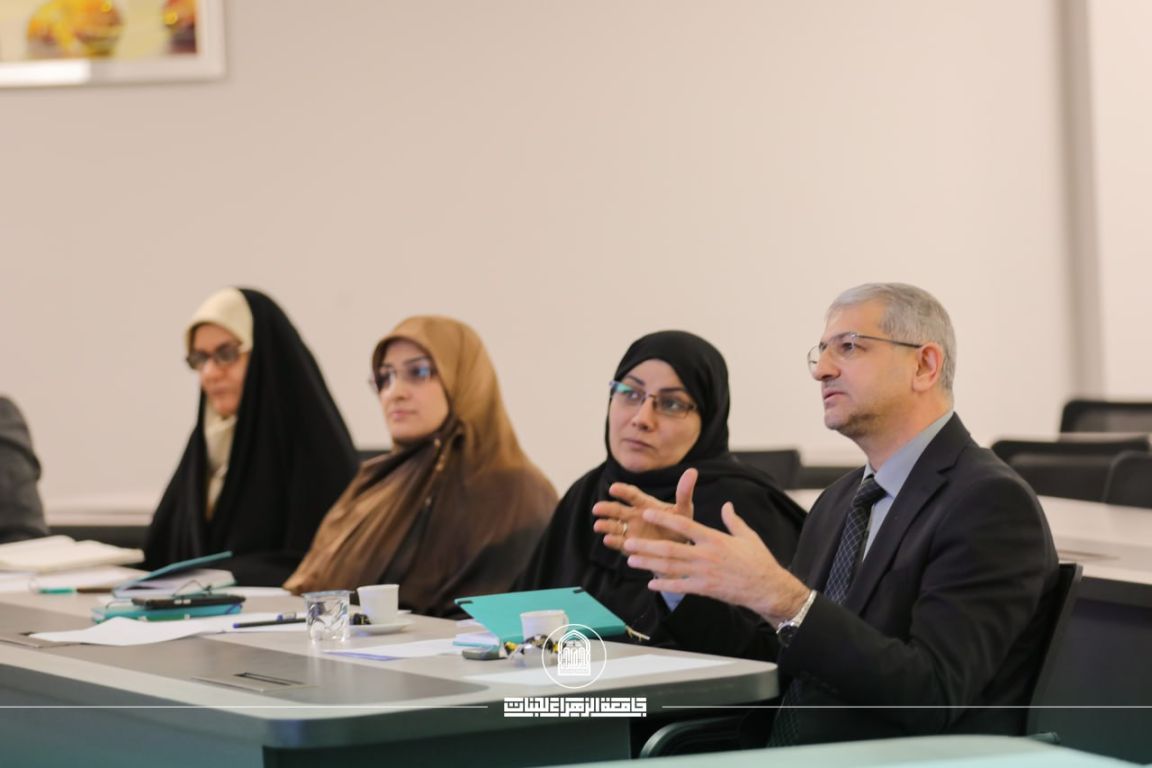
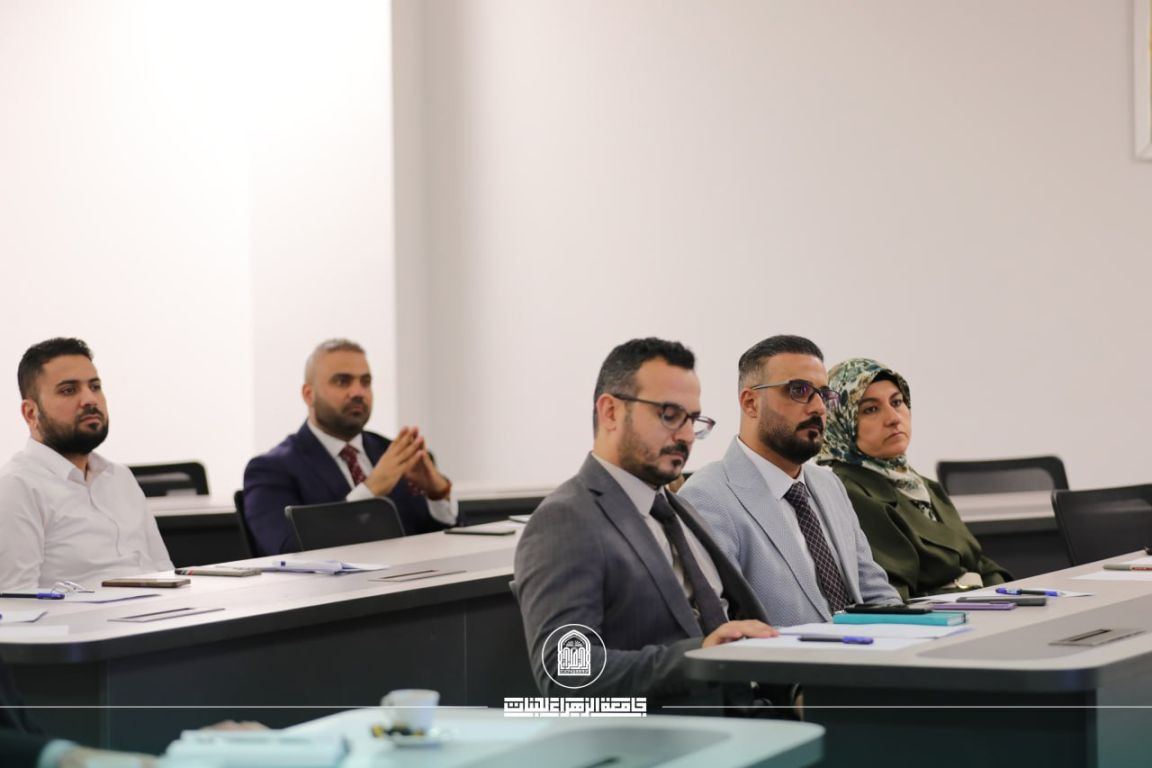
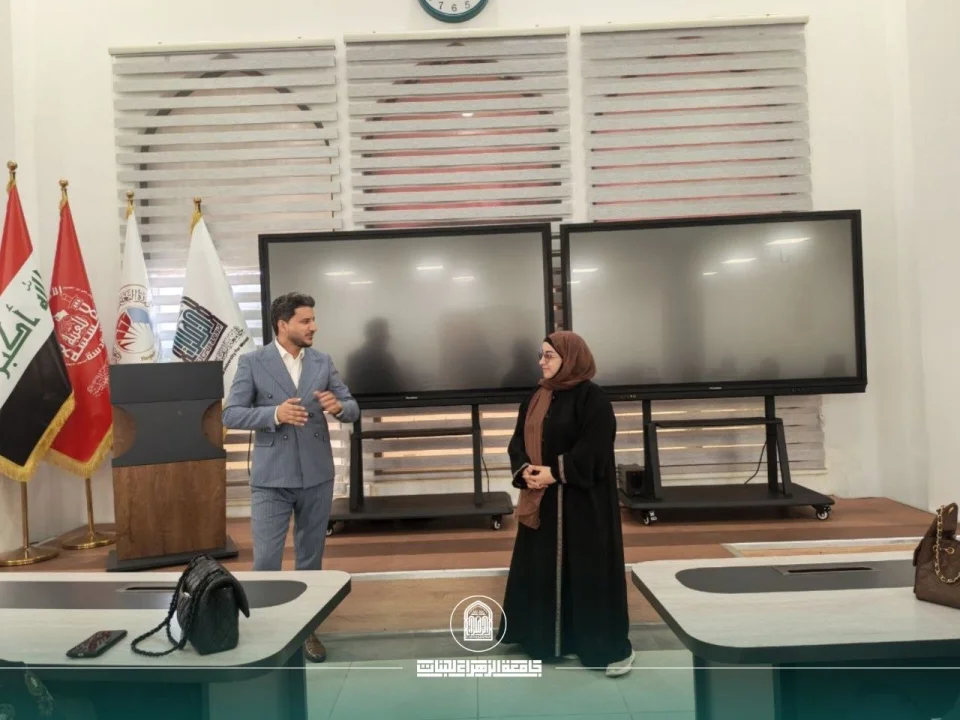
Al-Zahraa University for Women welcomed a delegation from Nataaj Company, headed by Dr. Wisam Ali Matout, the company’s Executive Director. The delegation was received by the University’s senior staff, and discussions focused on prospects for future cooperation. Additionally, the said event comes as part and parcel of the work of the Continuing Education Centre at the University, and in line with the shared interest in strengthening academic and training cooperation.
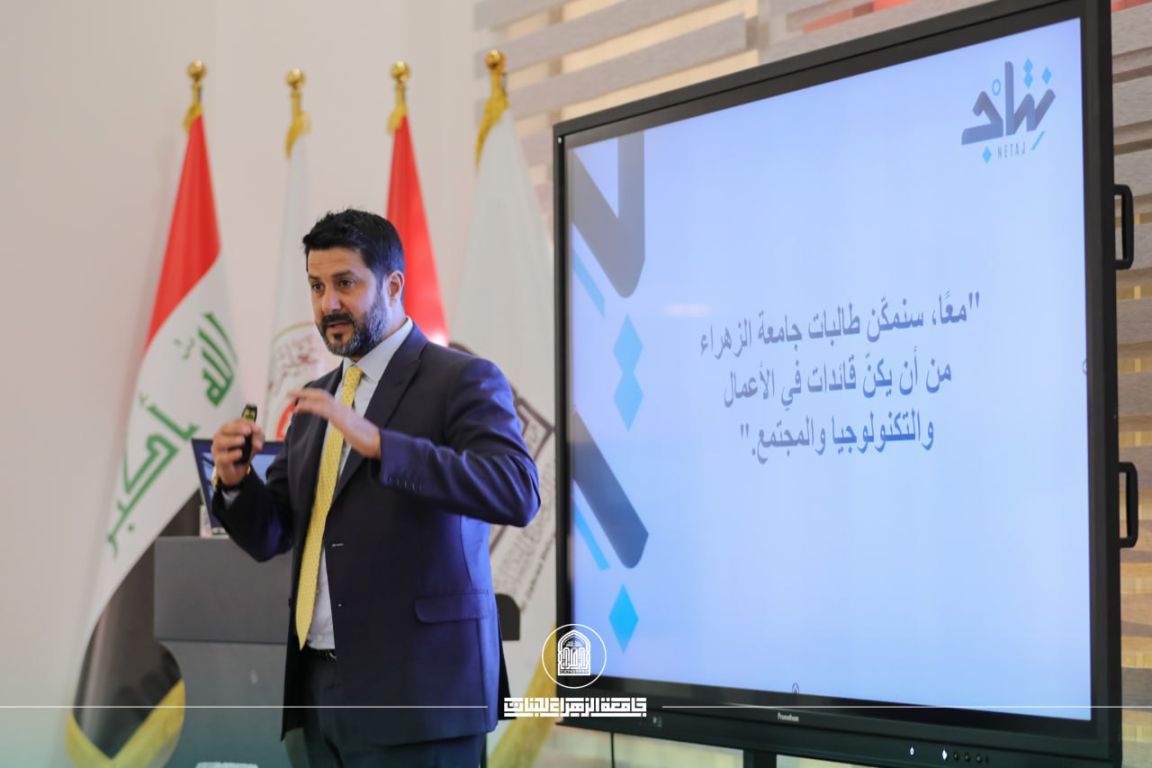
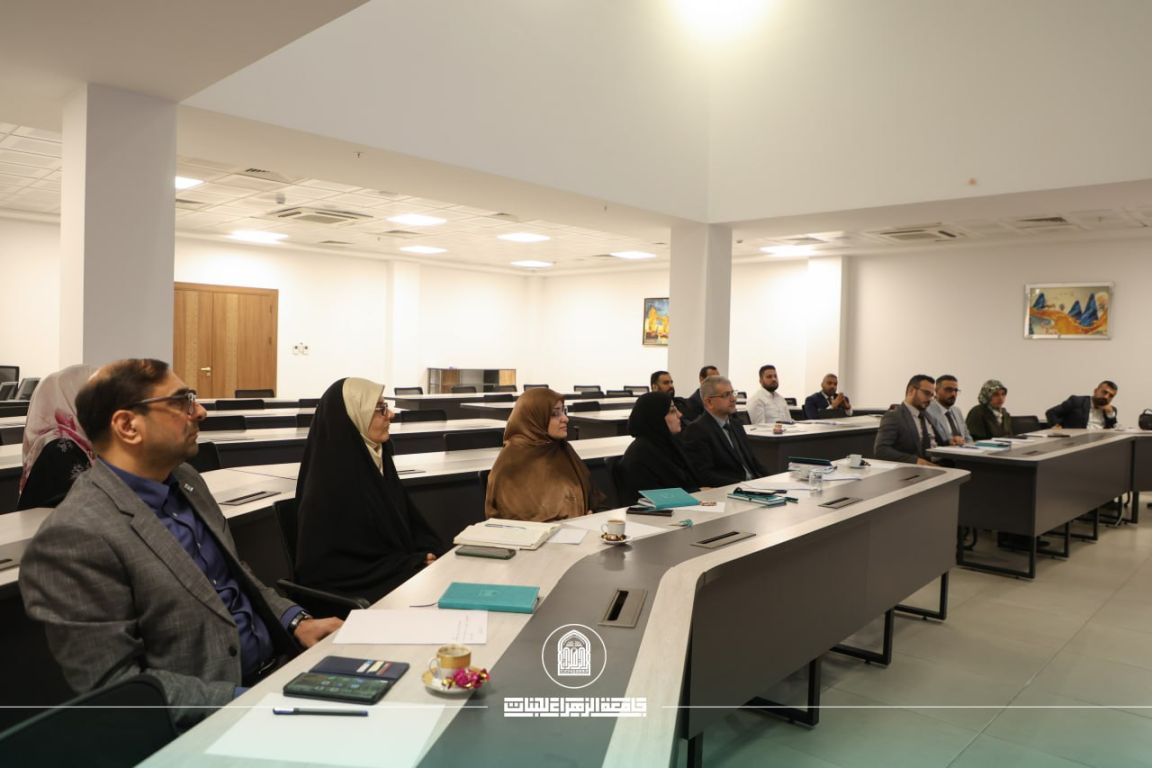
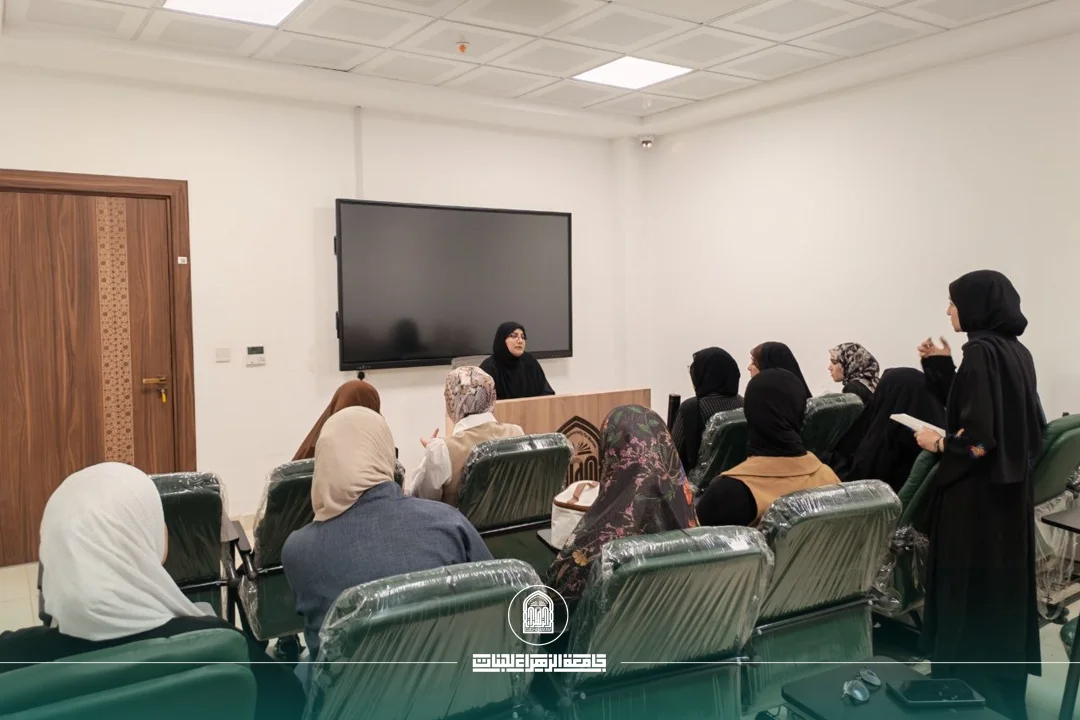
During the visit, an expanded meeting was held in which the company’s delegation delivered an introductory presentation addressing mechanisms for organising cooperation in the fields of training, workshops, and joint activities.
Through these partnerships, the University seeks to develop the skills and capacities of female students and academic staff, enhance the professional competencies of teaching staff through modern training programmes, and strengthen community partnership in a manner that contributes to serving both the University and its female students. Both sides also emphasised the importance of strengthening academic and training cooperation to support scientific and knowledge development.
The cooperation will cover the following areas:
* Organising training courses in administration, computer skills, human development, and life skills.
* Organising joint workshops between the University’s departments and the company.
* Providing technical and training consultancy.
* Participating in academic and cultural events.
* Providing certified trainers and specialised training materials.
* Preparing training packages and certificates of participation.
* Coordinating course and workshop schedules.
Through these quality partnerships, the University seeks to strengthen its position as a leading academic institution, affirming that these initiatives are aligned with its vision of building a knowledgeable and academically and professionally qualified generation capable of playing an active role in serving and developing the community and contributing to the advancement of scientific and cultural development. This further supports the University’s aspiration to serve as a central hub for learning, training, and creativity.
Translated by Zahra’ Ala’
Attachments
Latest News and Activities
Related Posts
Further reading and related articles you may find useful.
 University News
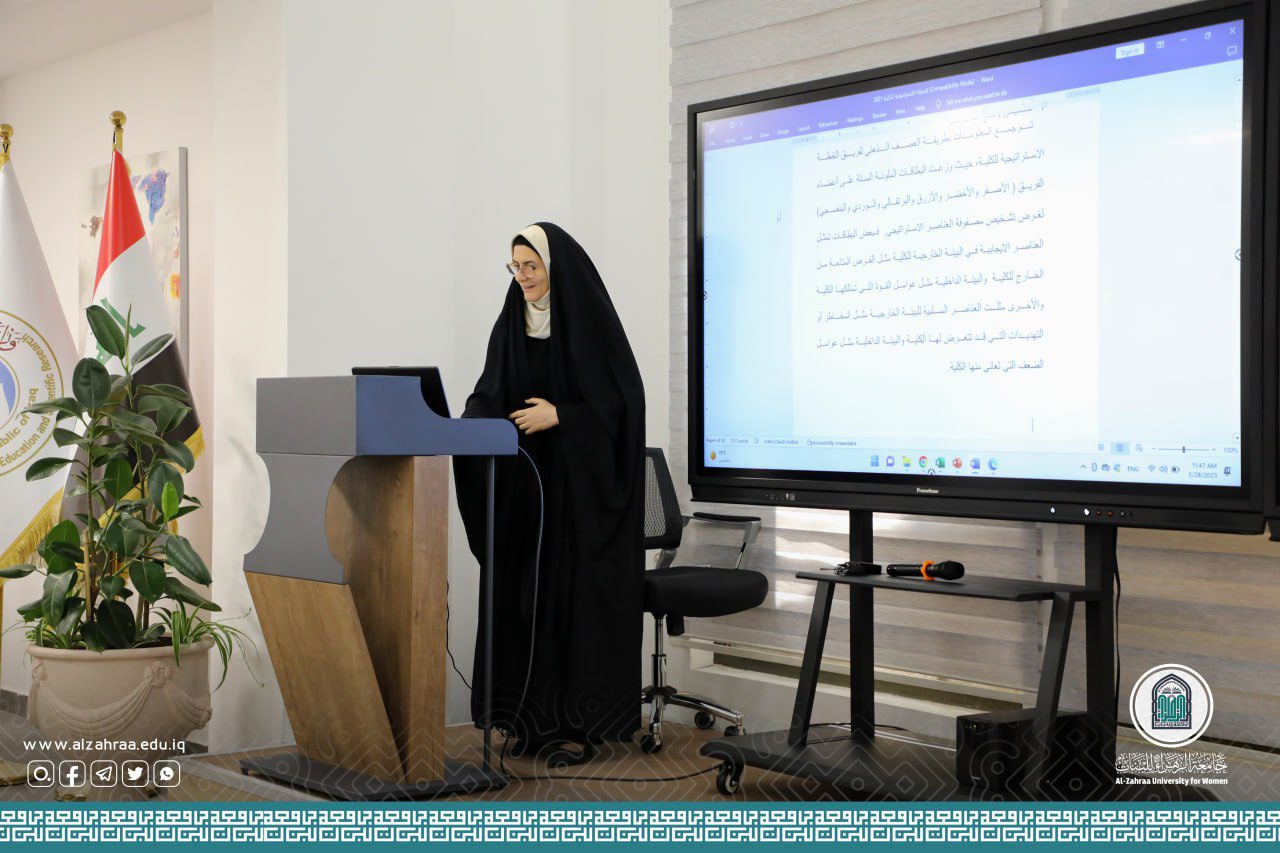
Engineering Laboratories and Classrooms at the College of Engineering and Information Technology
Engineering laboratories and classrooms that support a modern and advanced educational environment.
 University News
ZUW Presidency Holds Meeting on Educational Process Outcomes
The University Presidency held a meeting on a detailed presentation on the educational process outcomes for the first semester across its faculties. The meeting took place on Tuesday, 28 March 2023, at the Al-Kawthar Centre for Continuing Education. Additional...
 University News
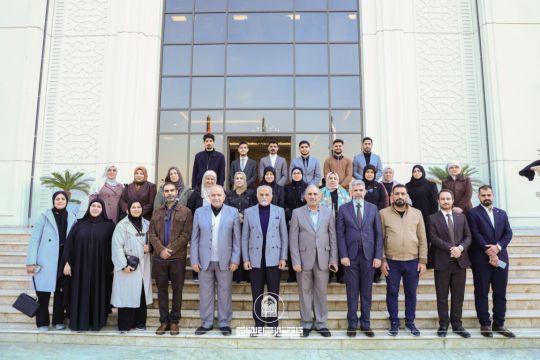
Official Visit by Academic Delegation from Al-Mustansiriyah University to Al-Zahraa University for Women
Al-Zahraa University (peace be upon her) for Women received an official delegation from the College of Education at Al-Mustansiriyah University, headed by Dr. Hassan Abdulhadi, in an official visit aimed at reviewing the university’s academic experience and be...
 University News
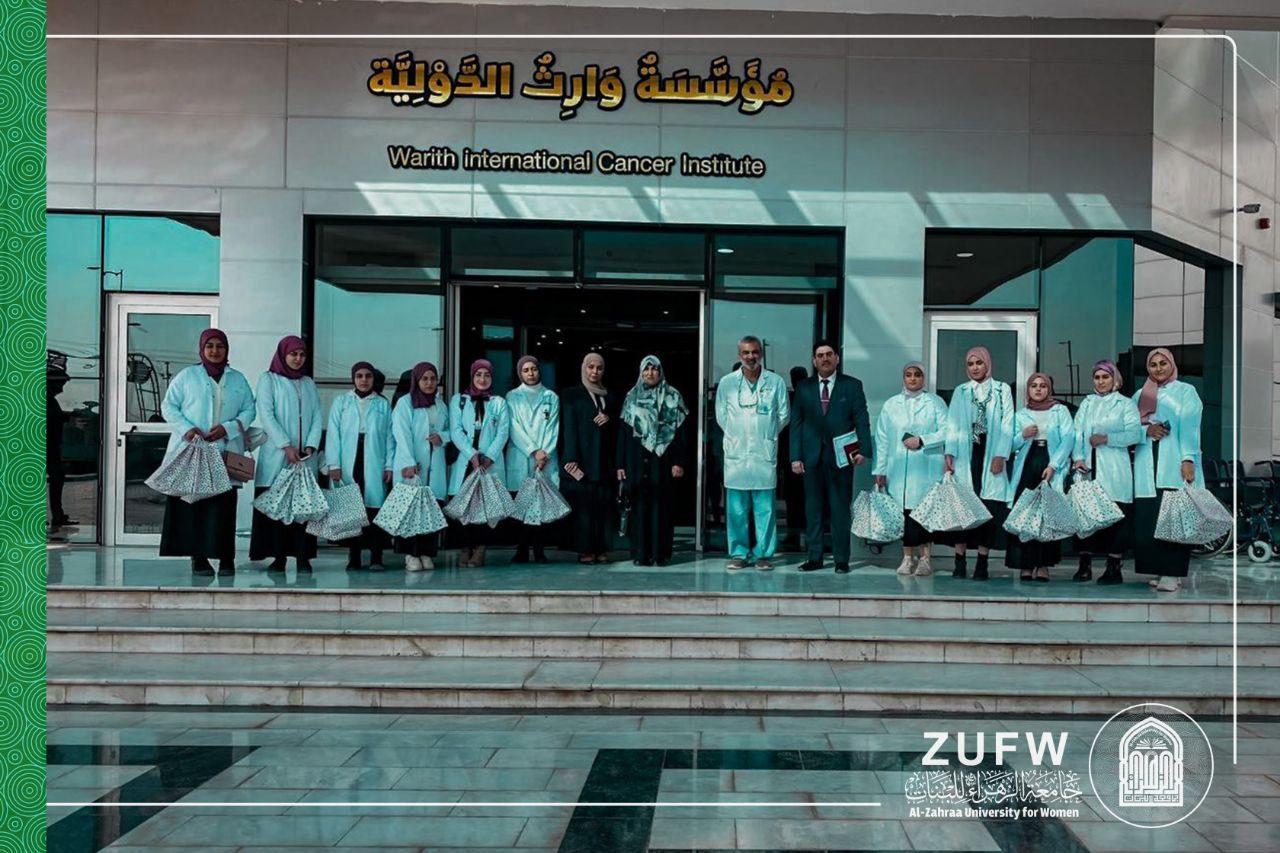
ZUW Initiative Brings Joy to Children Through Visit to Warith International Foundation
A group of female students from the Faculty of Pharmacy at Al-Zahraa University for Women visited the Warith International Foundation for Oncology and Cancer Treatment. The said event comes in an initiative aimed at bringing joy to children’s hearts and puttin...