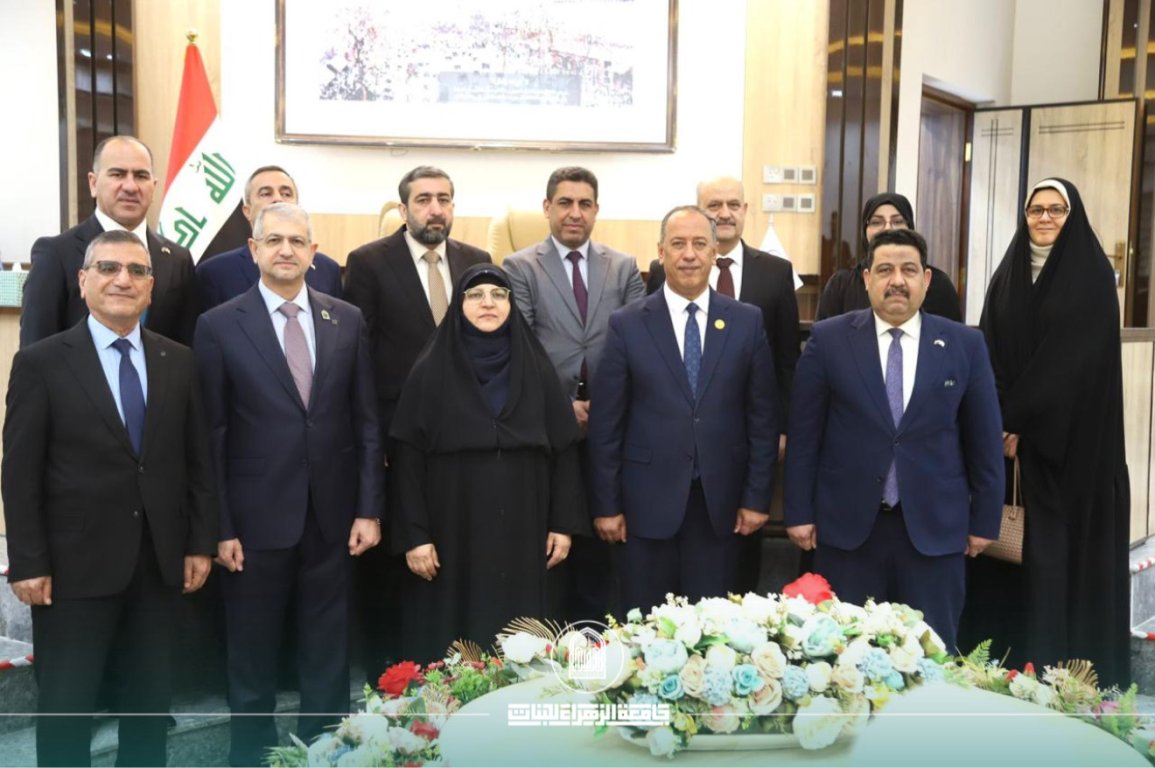
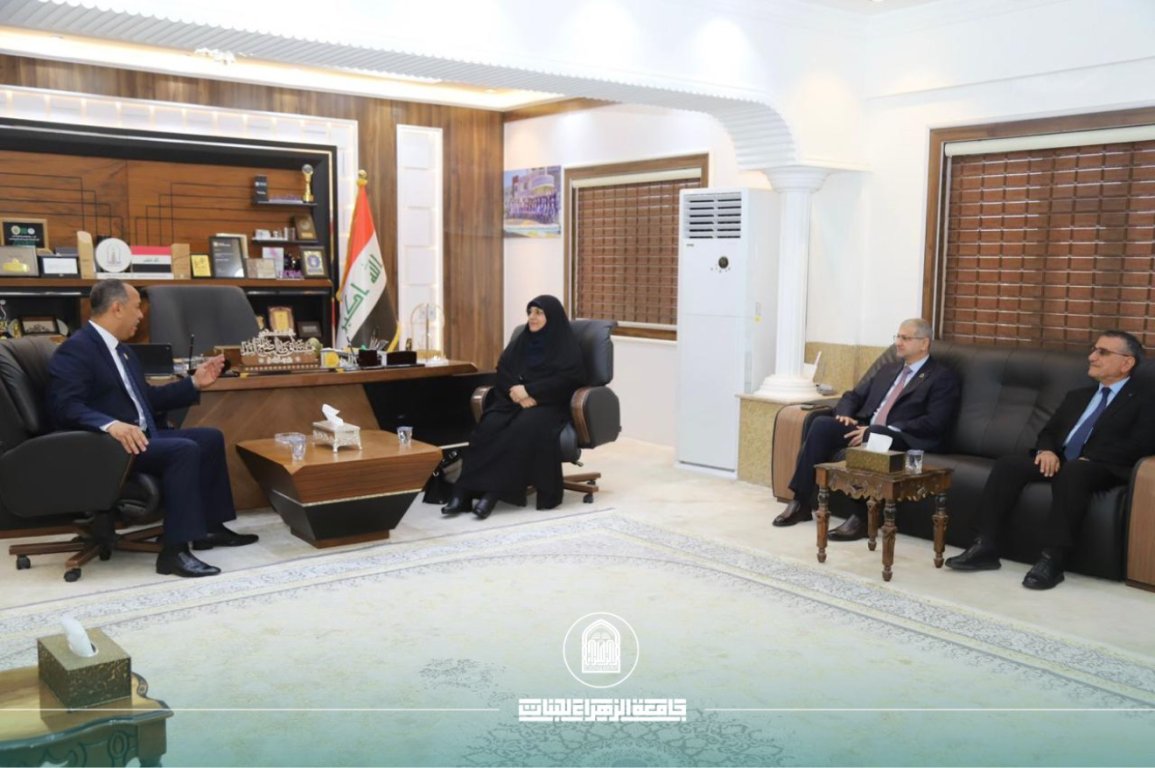
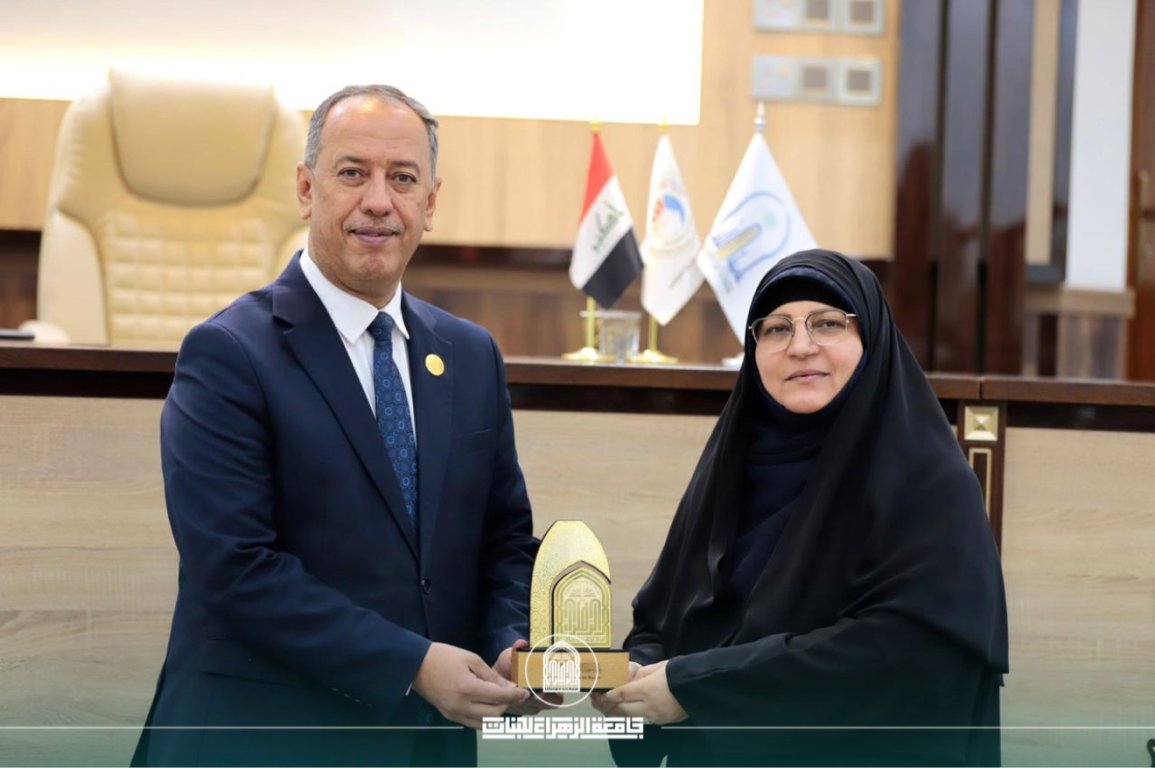
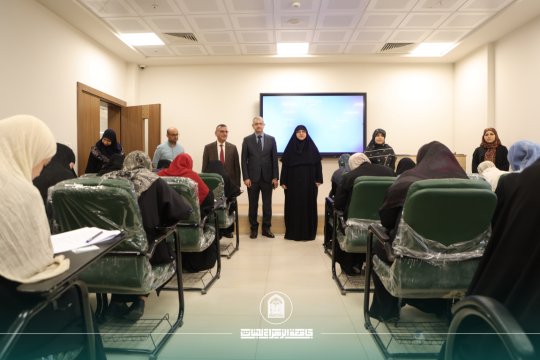
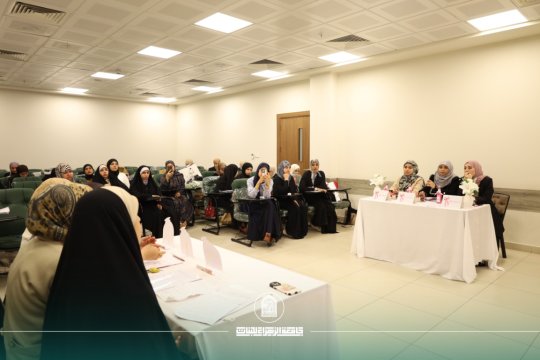
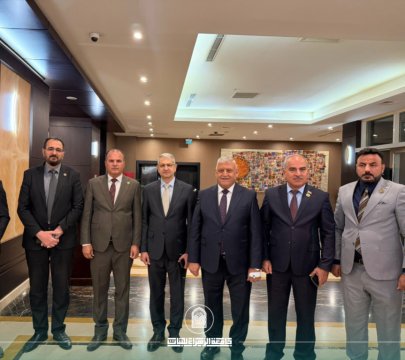
Prof. Dr. Zainab Al-Mulla Al-Sultani, the President of ZUW, accompanied by senior academic staff, conducted an official visit to the University of Anbar. Additionally, the said event comes as part and parcel of ongoing efforts to consolidate academic relations with established Iraqi universities and to open broader prospects for scientific collaboration and the exchange of expertise in higher education and research. This initiative aims to support developmental pathways and enhance academic and scientific standards.
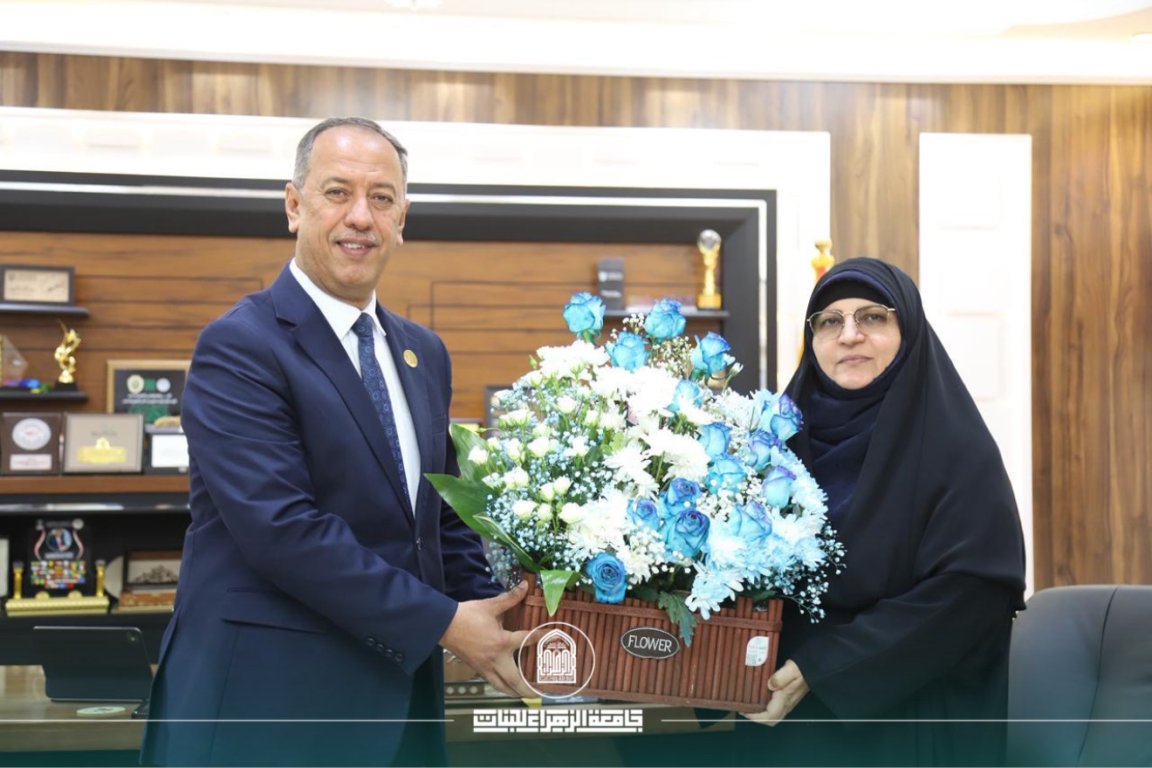
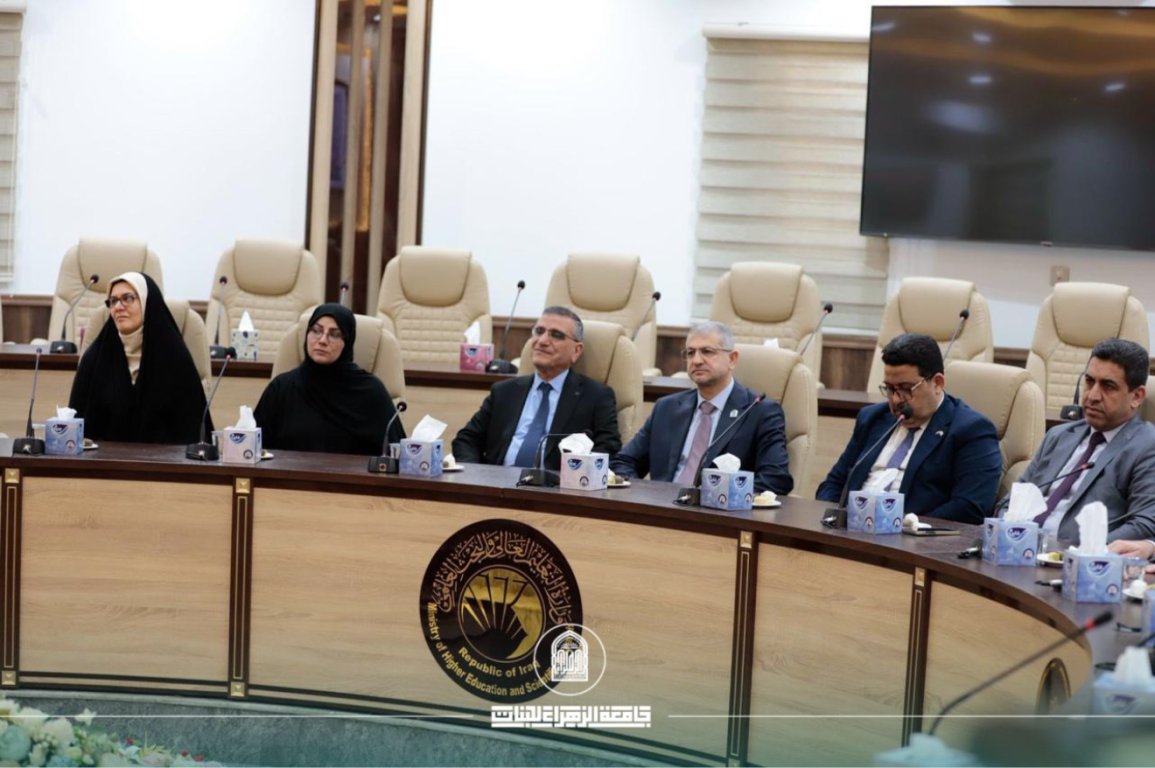
The visit was formally received by Prof. Dr. Mushtaq Talib Salih Al-Nada, the President of the University of Anbar, alongside a slew of vice presidents and deans. Besides, both parties emphasised the depth of the scientific relationship between the two institutions and the importance of further developing it in line with advancements in the higher education sector.
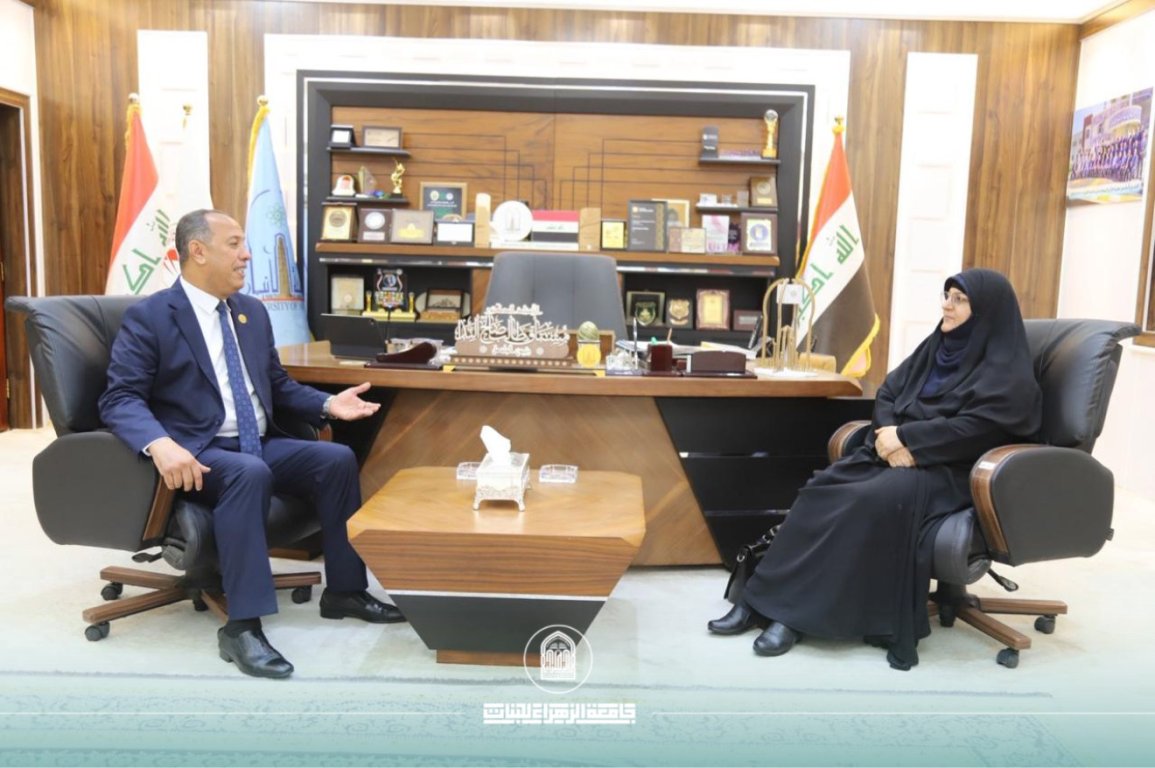
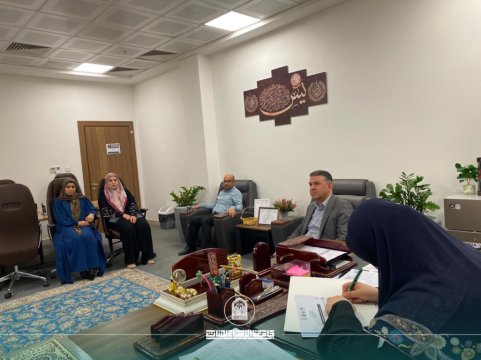
Furthermore, a formal extended meeting was held between the two sides, during which avenues for cooperation in scientific and research domains were explored. It bears noting that discussions also addressed the exchange of academic expertise, the development of educational programmes, the support of joint research projects, and the activation of collaboration in quality assurance and academic accreditation.
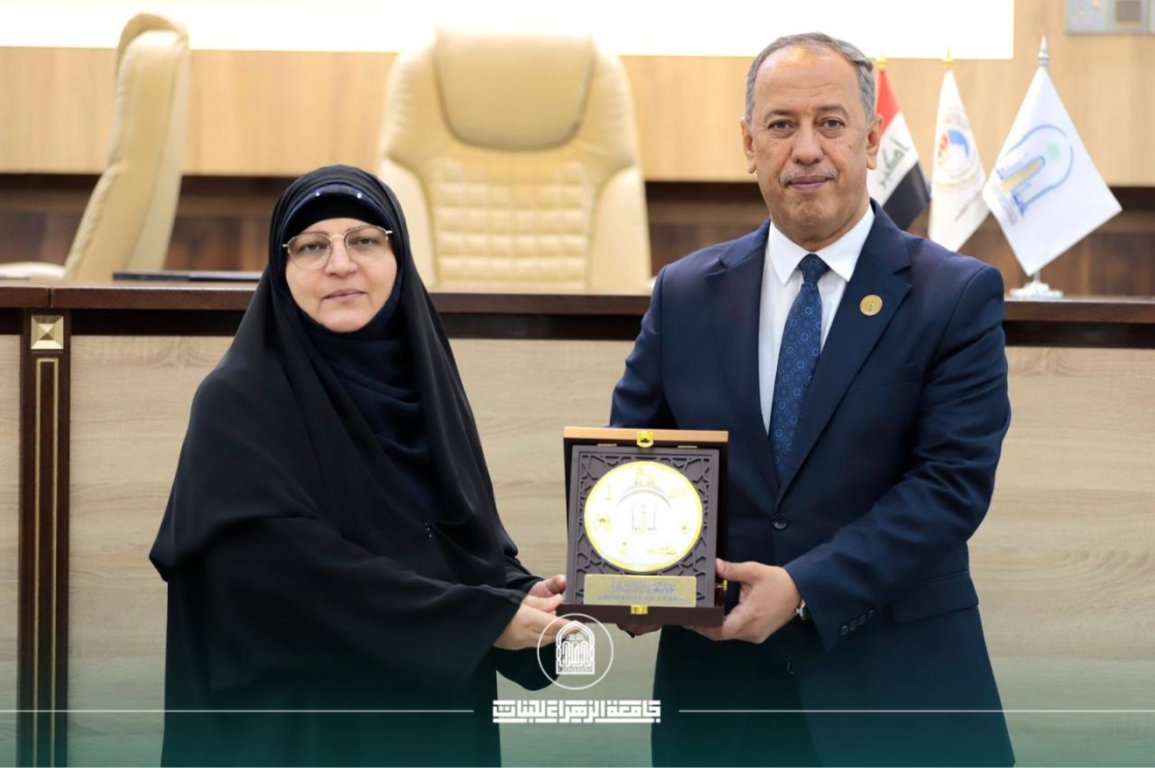
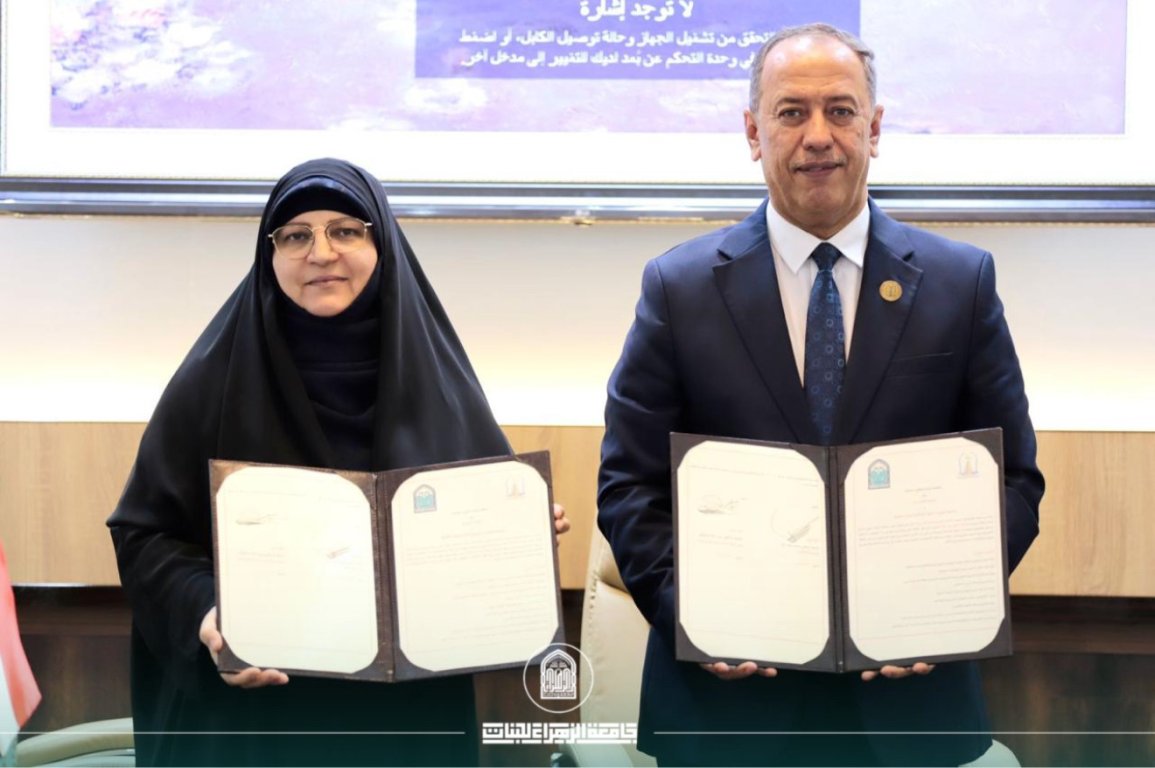
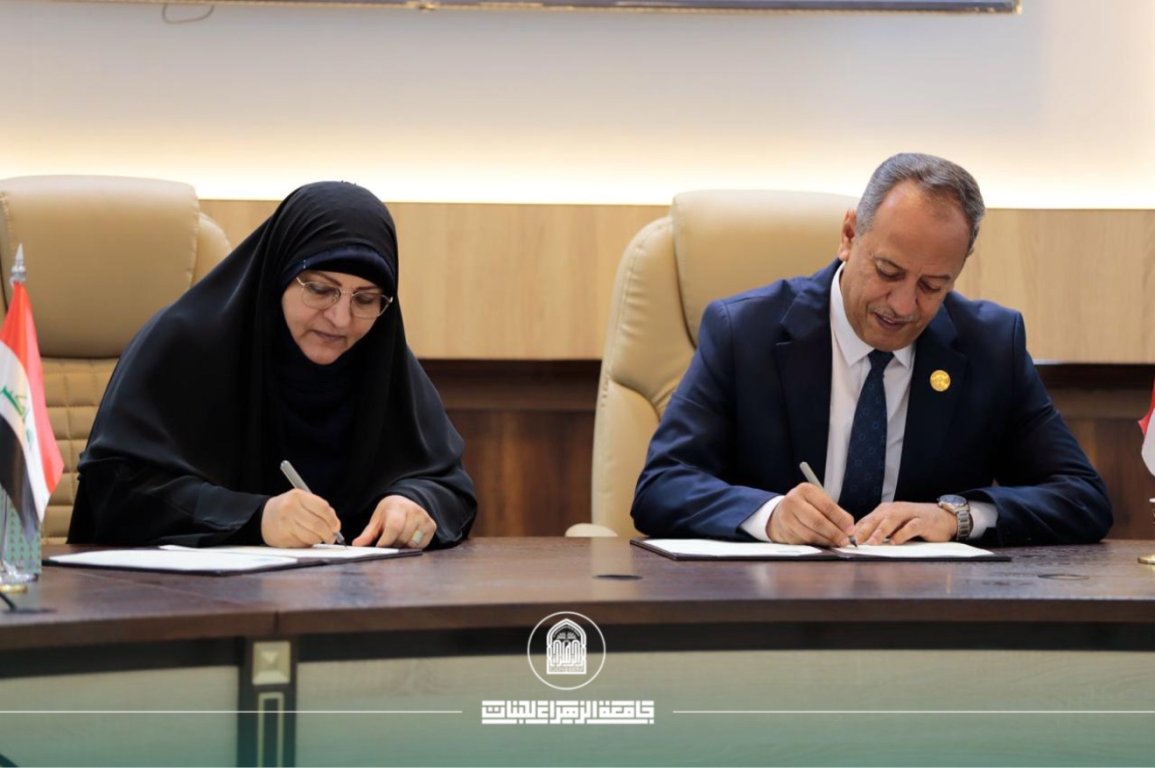
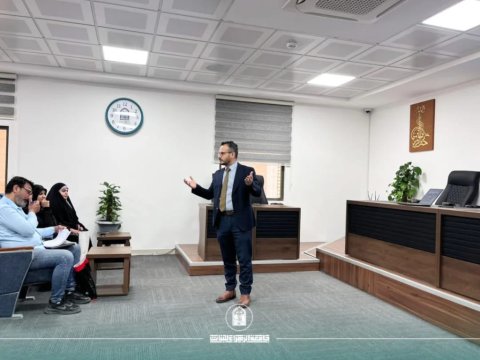
During the visit, a scientific cooperation agreement was signed, reflecting both institutions’ commitment to strengthening the partnership and expanding areas of joint work. The agreement includes the organisation of joint conferences and scientific seminars, the delivery of workshops and training courses, the exchange of academic visits for staff and students, as well as the support of collaborative research and the promotion of scholarly publication.
In addition, both parties affirmed that this agreement represents a significant step towards establishing robust scientific partnerships among Iraqi universities and contributes to the advancement of the academic and research environment.
This visit embodies a clear orientation towards enhancing scientific and academic cooperation and underscores the importance of sustained communication and the effective implementation of the agreement’s provisions, to expand collaborative opportunities and serve the scientific objectives of both institutions.
Translated by Zahra' Ala', revised by Asst.Lect. Safa' Al-Sadi
Attachments
Related Posts
Further reading and related articles you may find useful.
 University News
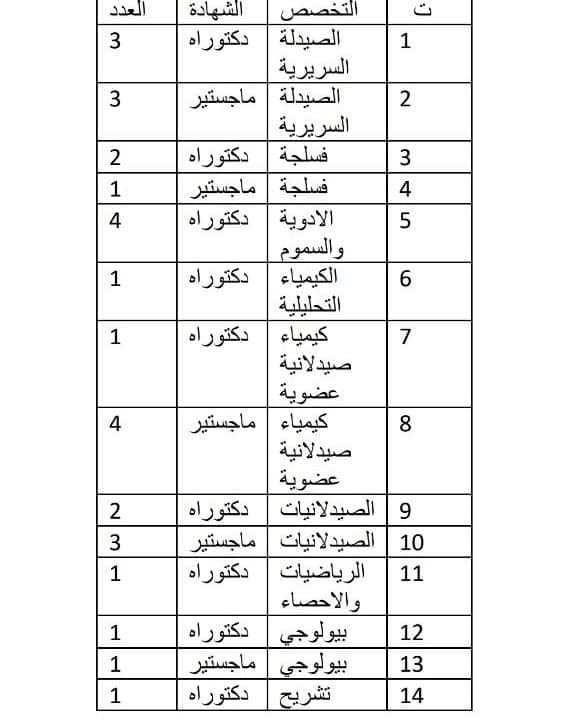
Al-Zahra University (peace be upon her) for women announces job vacancies available in the College of Pharmacy. Interested and qualified candidates can walk in for the interview.
Note: The interview will be conducted on Saturday and Sunday. (Submission ends on Sunday) and review directly to the building of the Faculty of Pharmacy at Al-Zahra University (peace be upon her) for women
 University News
In photos
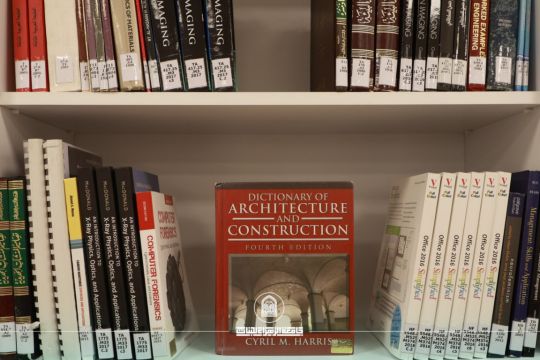
The Central Library at Al-Zahraa University for Women continues to enrich its scientific collection with a range of newly released publications in the fields of engineering and medical sciences. This initiative comes as part of the library’s ongoing plans to s...
 University News
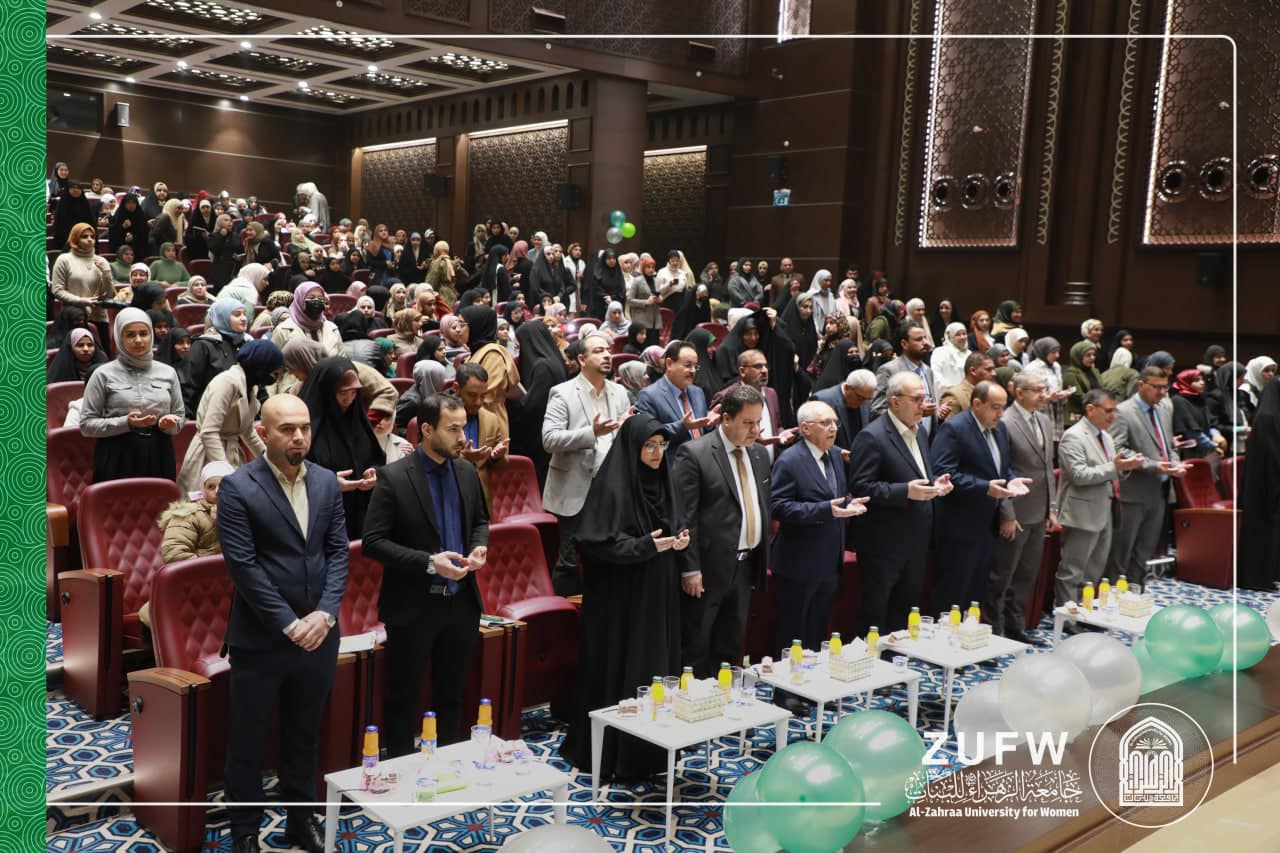
Captured moments of the central celebration organized by the Media and Public Relations Department
Captured moments of the central celebration organized by the Media and Public Relations Department on the sidelines of the activities of the cultural week of Al-Zahra University (peace be upon her) on the occasion of the fourth anniversary of its establishment...