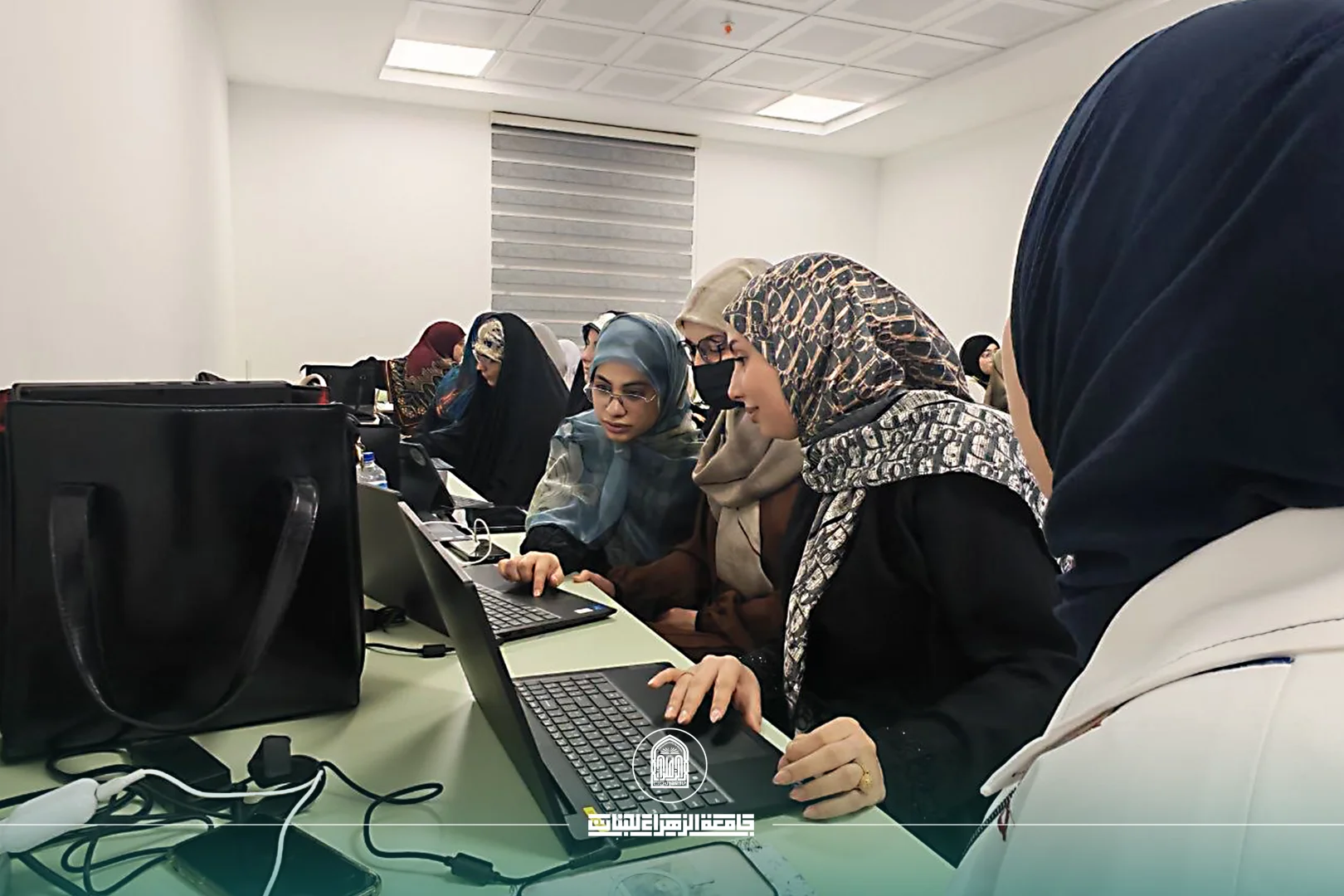
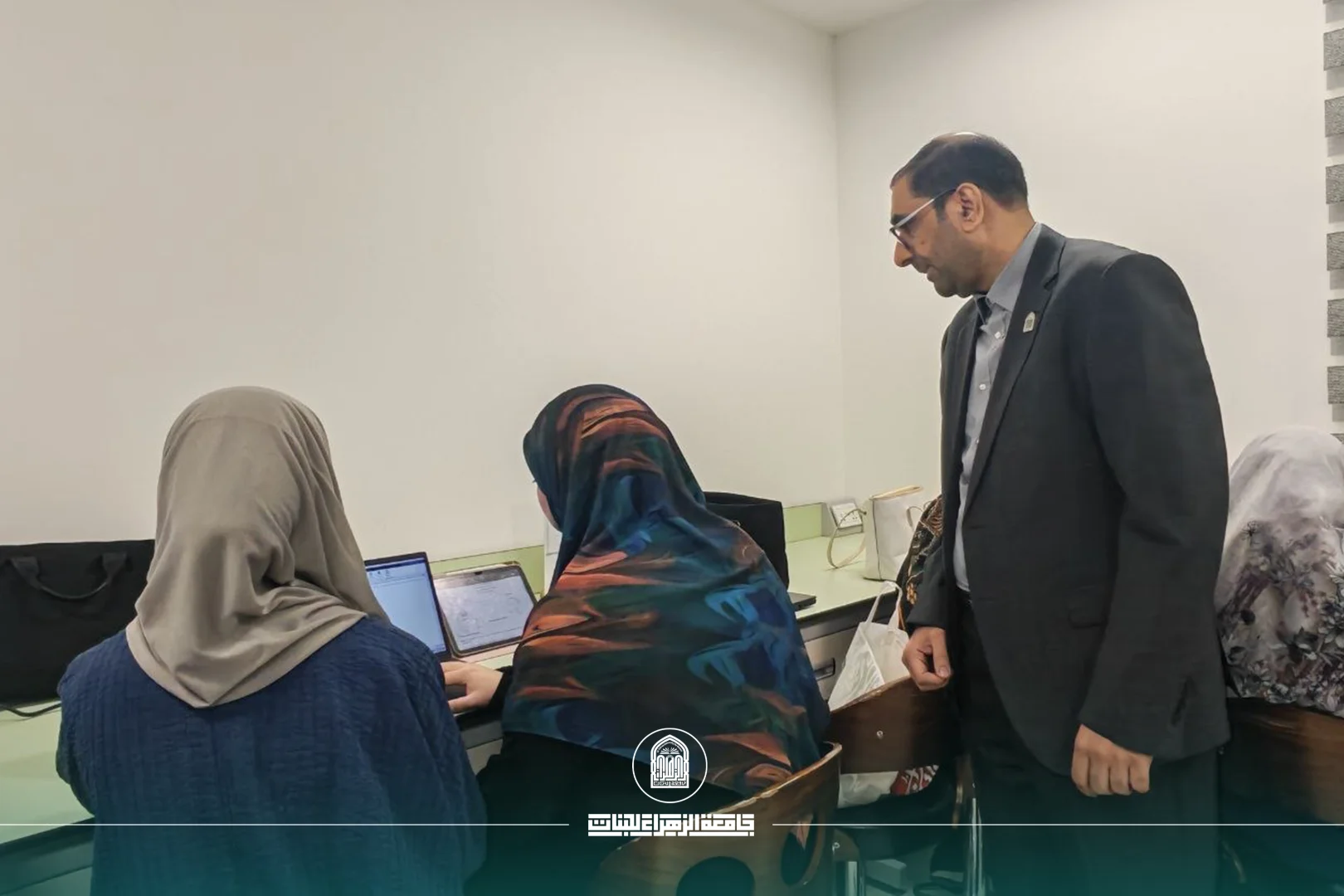
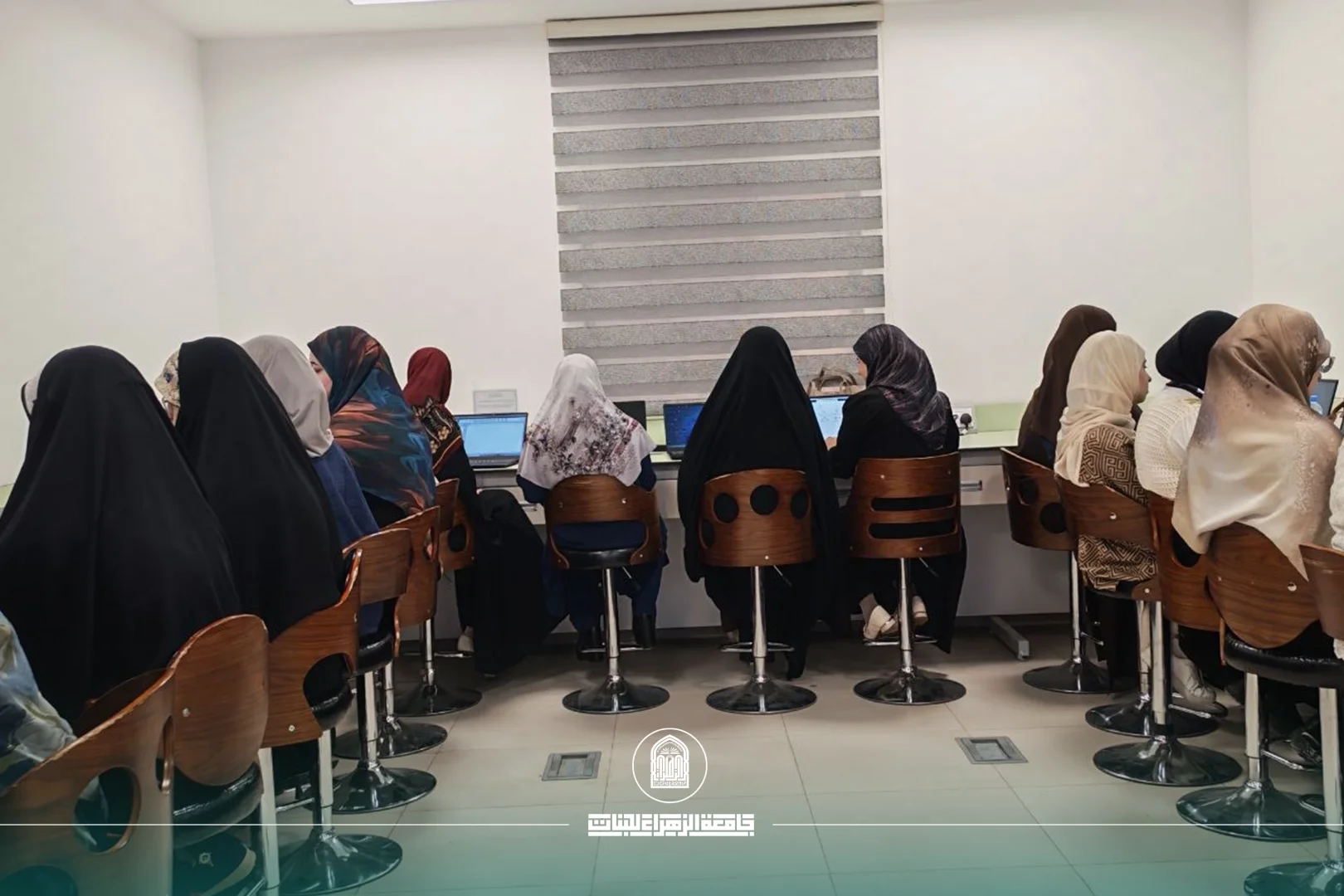
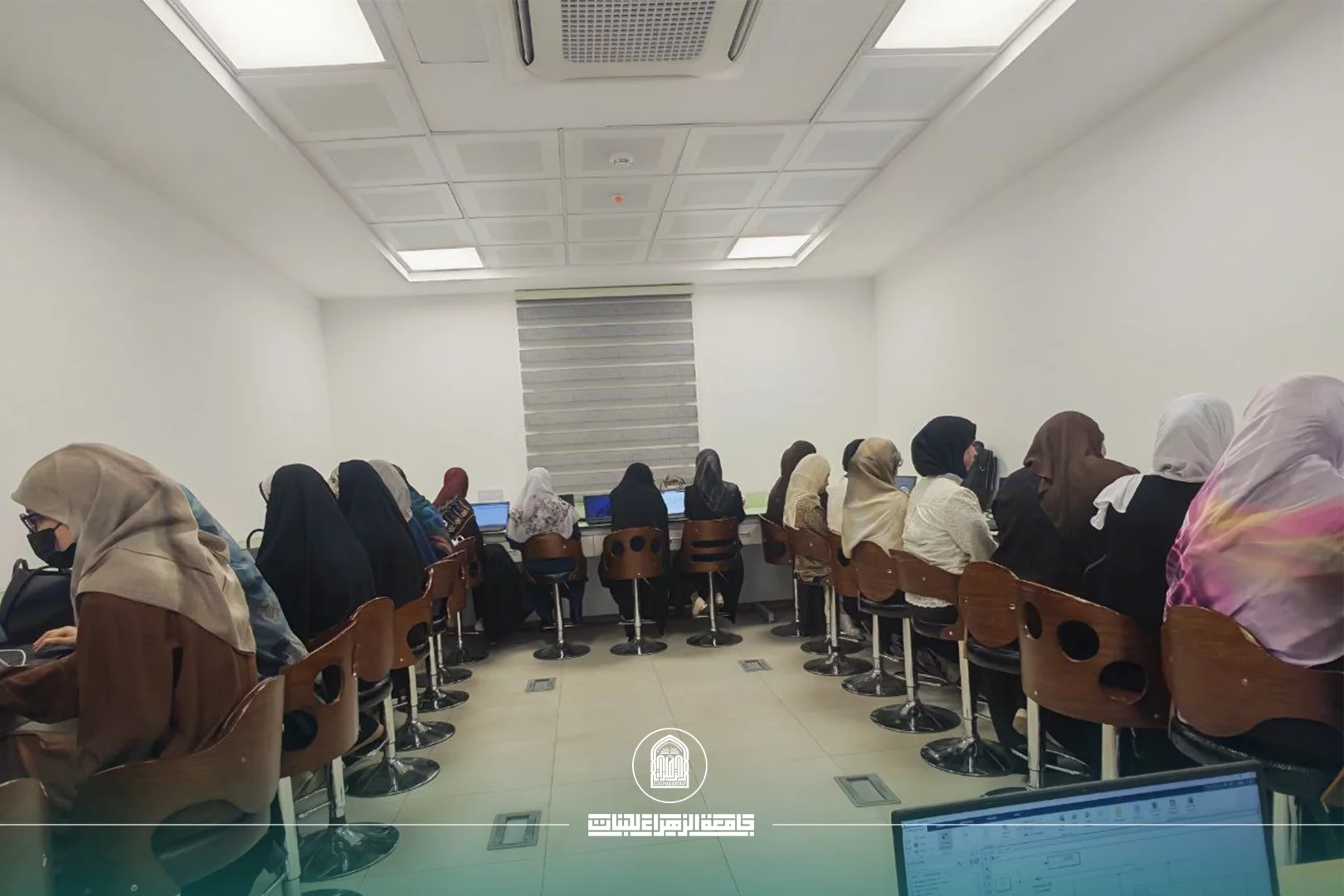
From understanding and measuring environmental variables to employing them in the design of systems capable of monitoring, responding, and making intelligent decisions, third-year students in the Department of Artificial Intelligence Engineering at the College of Engineering and Information Technology receive both theoretical and practical training through the course Instrumentation and Measurements.
The course introduces the fundamental principles of sensors and measurement instruments, focusing on how physical variables—such as temperature, pressure, light intensity, and electrical current—are converted into signals that can be processed and utilized within intelligent systems. This provides students with a solid engineering foundation for understanding the relationship between measurement, signal processing, and control.
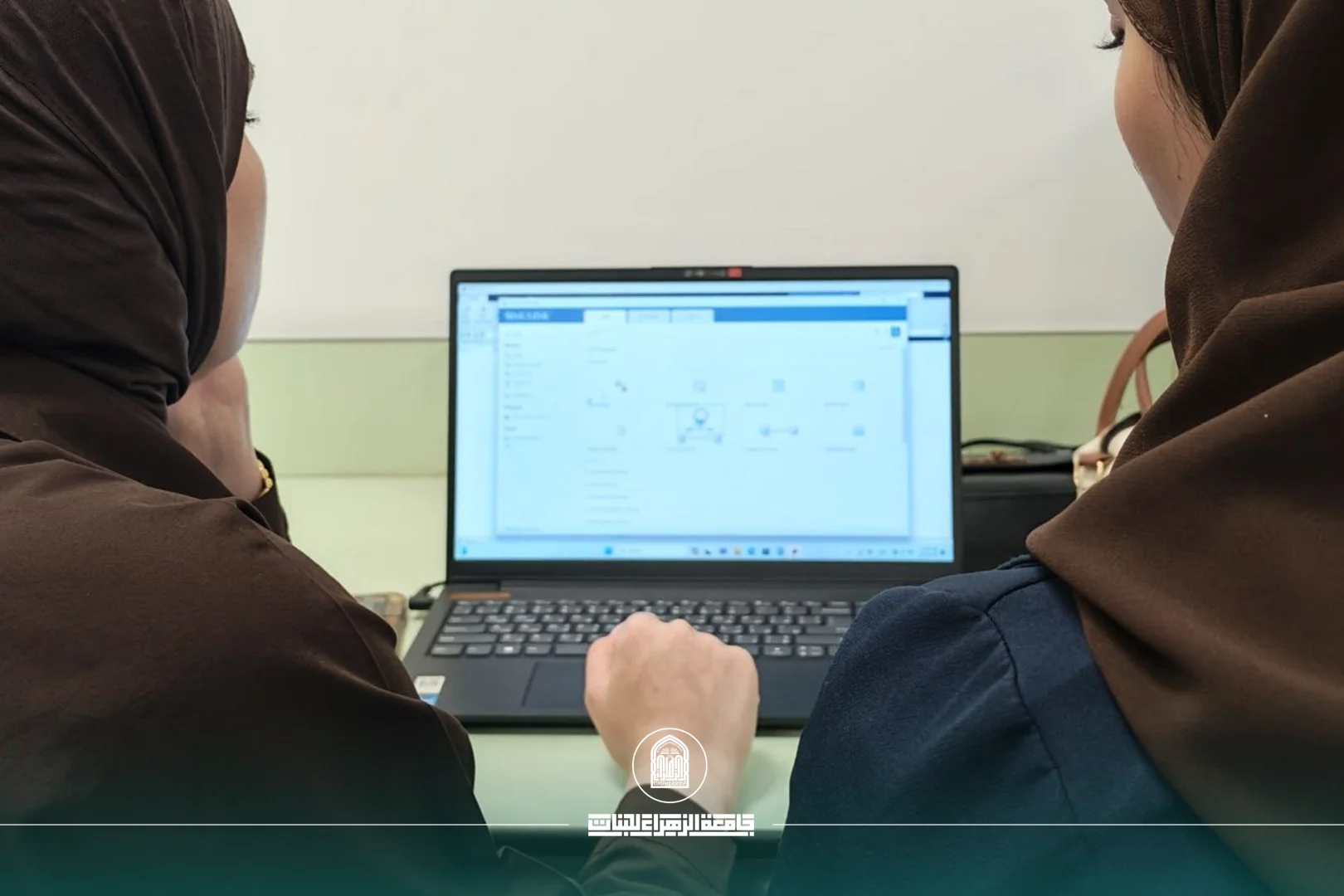
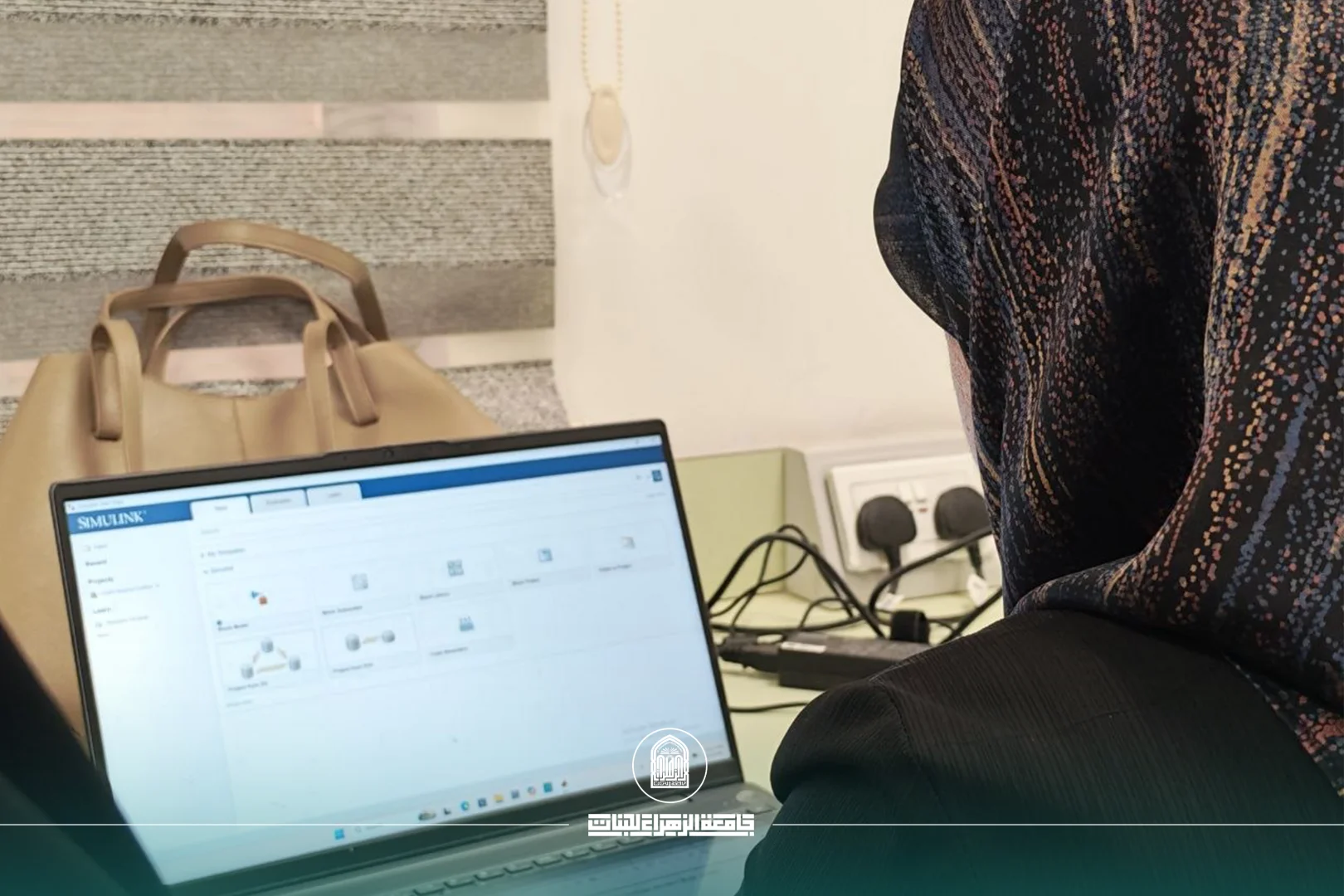
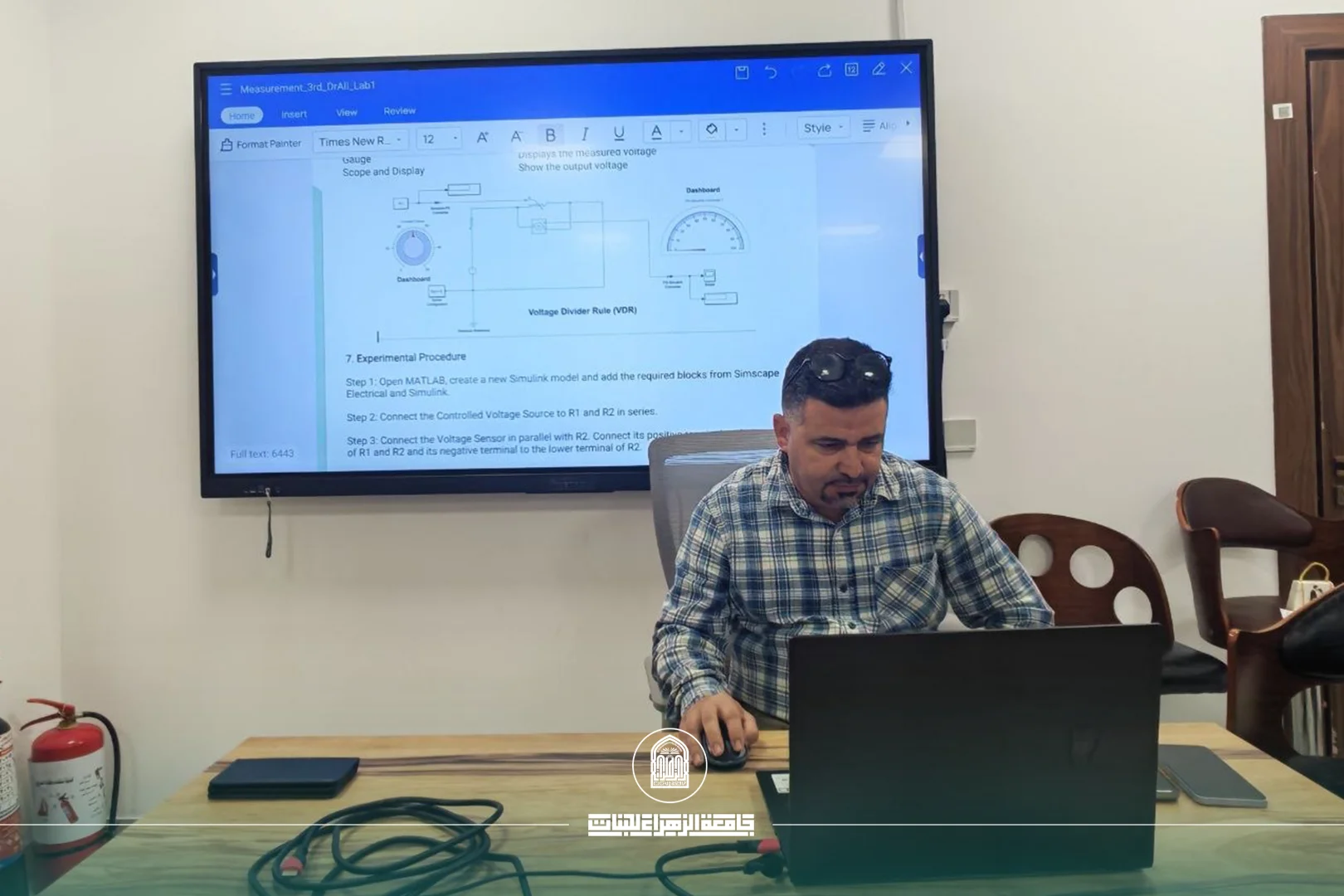
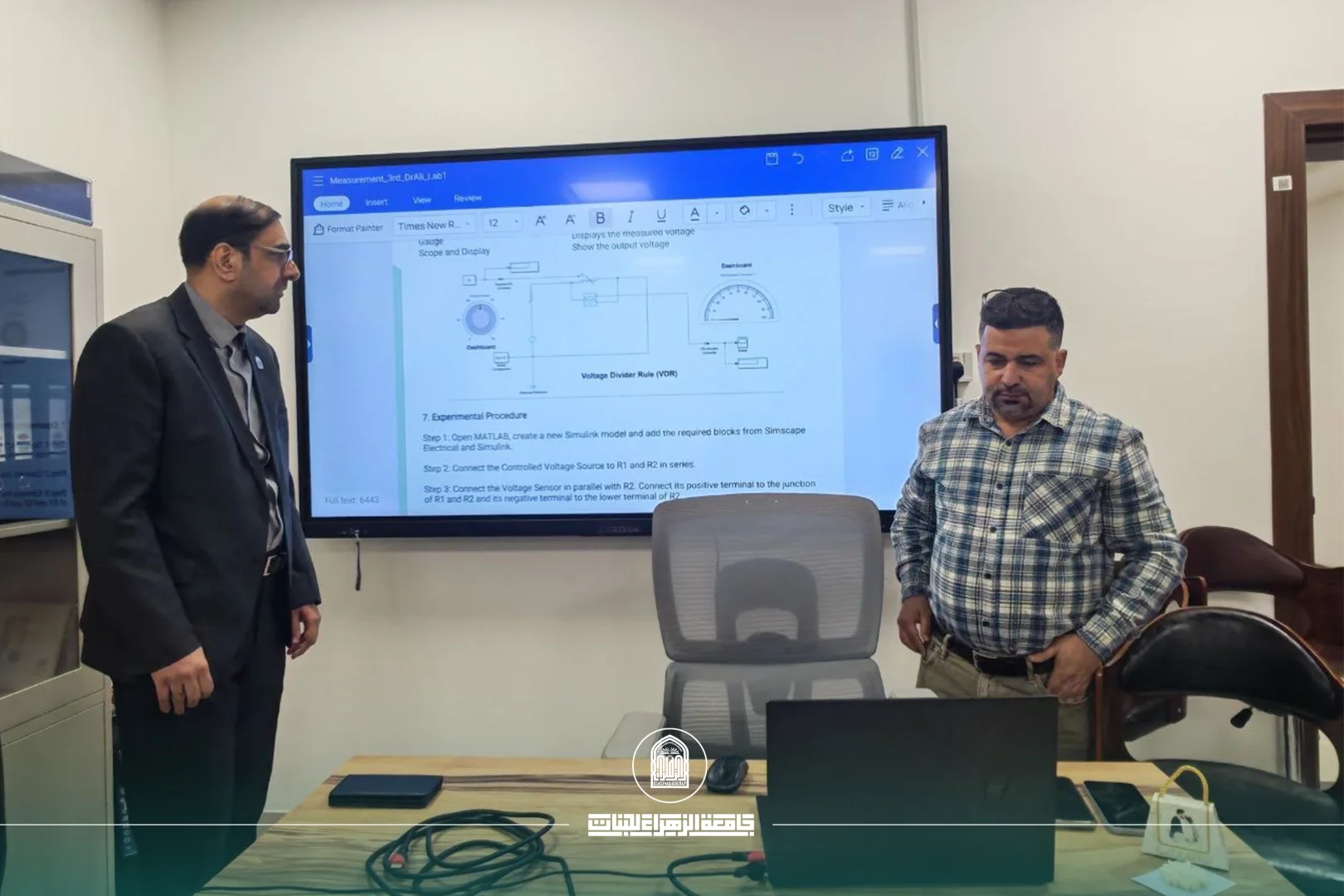
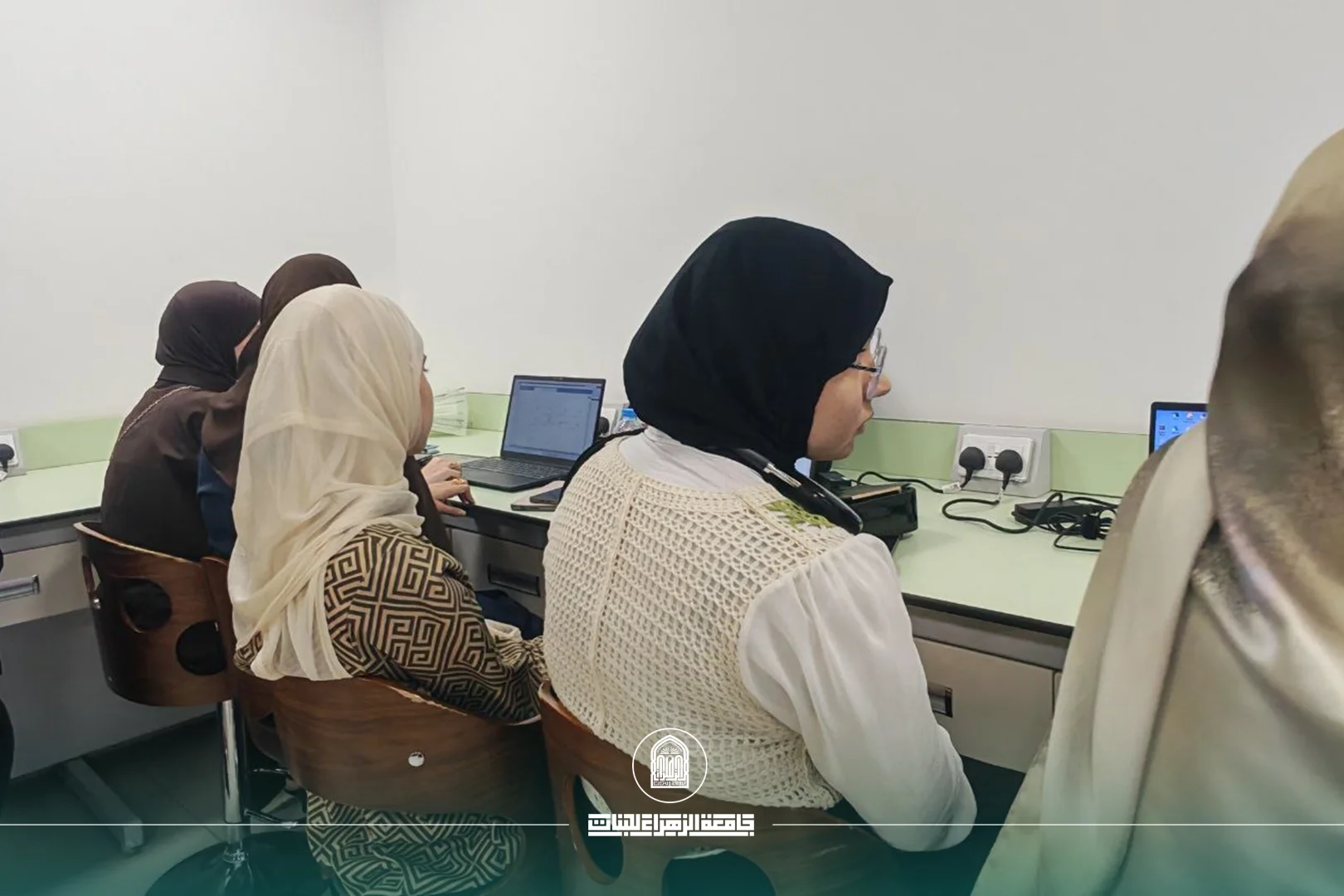
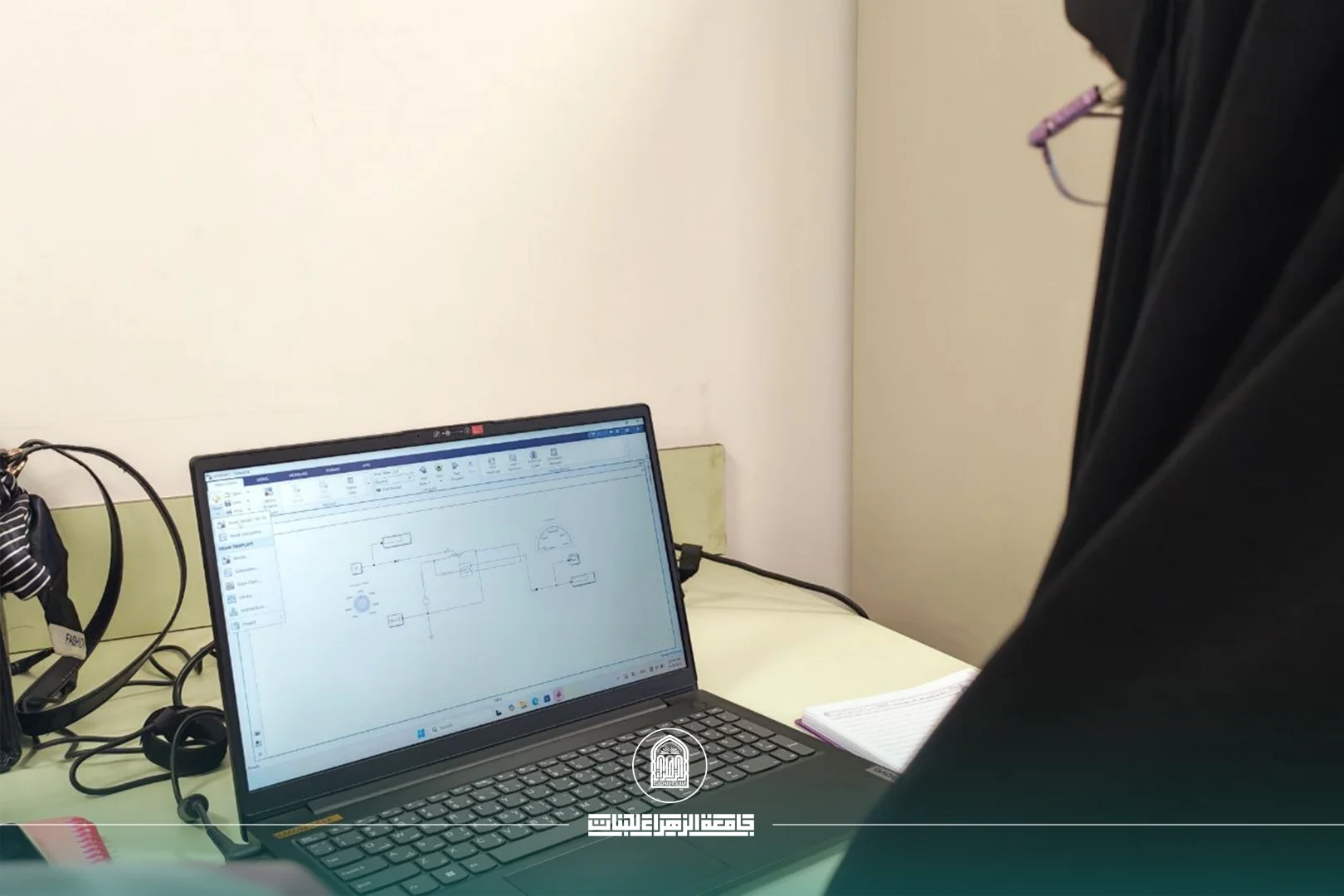
The practical component of the course utilizes MATLAB to simulate measurement and control systems and evaluate their responses under various operating conditions. Through these simulations, students move beyond theoretical concepts to gain hands-on experience in monitoring, remote control, data analysis, and intelligent decision-making.
This training equips students with skills that can be applied in advanced engineering fields, including smart buildings, energy management, industrial monitoring, intelligent control systems, and the Internet of Things (IoT), strengthening their ability to apply artificial intelligence technologies to solve real-world engineering challenges.
Professor Ali Jaafar Al-Husseini, Scientific Supervisor of the Instrumentation Laboratory, emphasized that the course is delivered in accordance with accredited academic curricula that are aligned with those adopted by Iraqi public universities. He noted that this reflects the university’s commitment to preparing highly qualified women engineers equipped with both scientific knowledge and practical skills to keep pace with the rapid advancement of modern technologies.
Attachments
Latest News and Activities
Related Posts
Further reading and related articles you may find useful.
 Department News
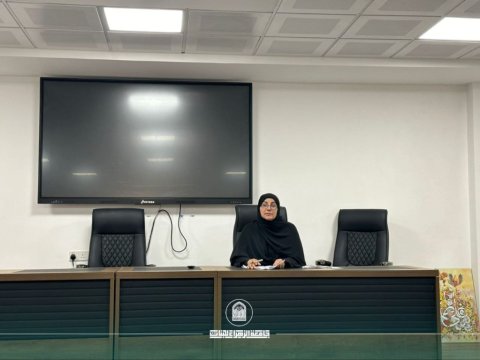
Between specialization and application... The Dean of Technology keeps pace with the aspirations of artificial intelligence studen
The Dean of the College of Engineering and Information Technology, Professor Ghaydaa Al-Mulla, held an orientation meeting with third-year students in the Artificial Intelligence Engineering Department. This meeting was part of the Deanship's commitment to enh...
 Department News
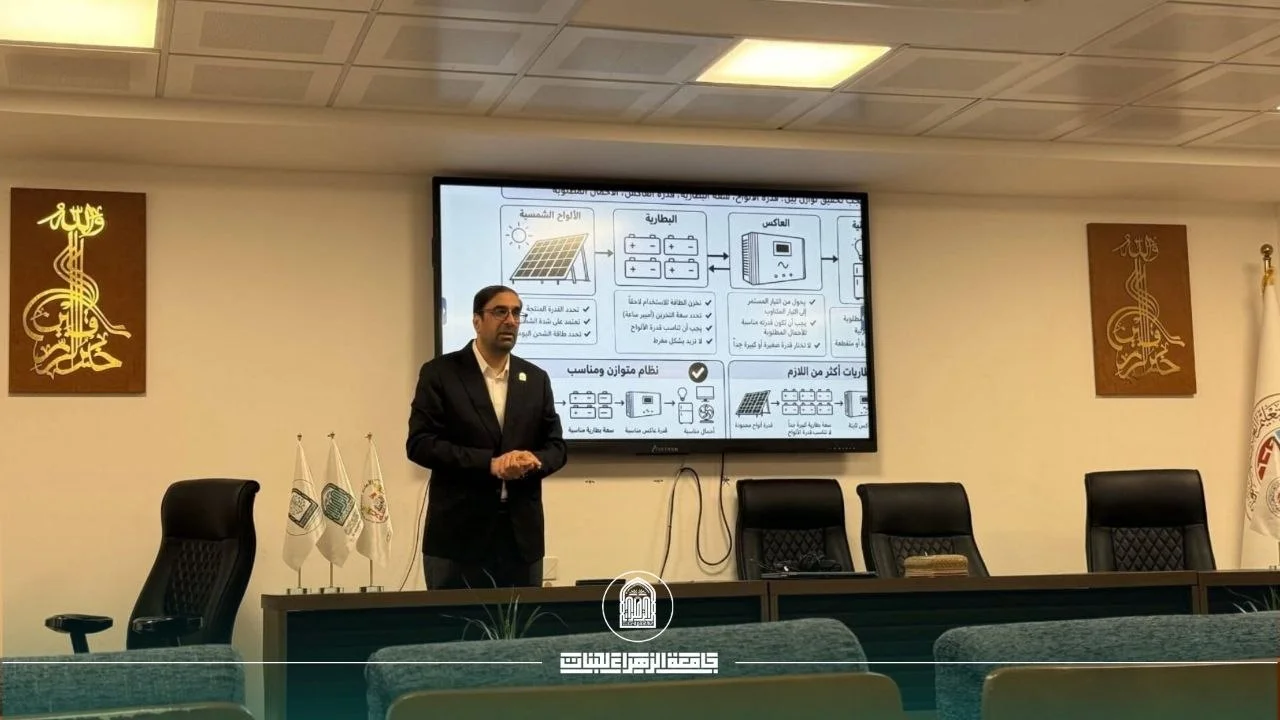
The Solar Energy Systems and Their Protection and Maintenance course activities continue
The second day of the educational course titled 'Solar Energy Systems, Their Protection and Maintenance' continued at the College of Engineering and Information Technology, in collaboration with the Continuing Education Centre. The course is taught by Professo...
 Department News
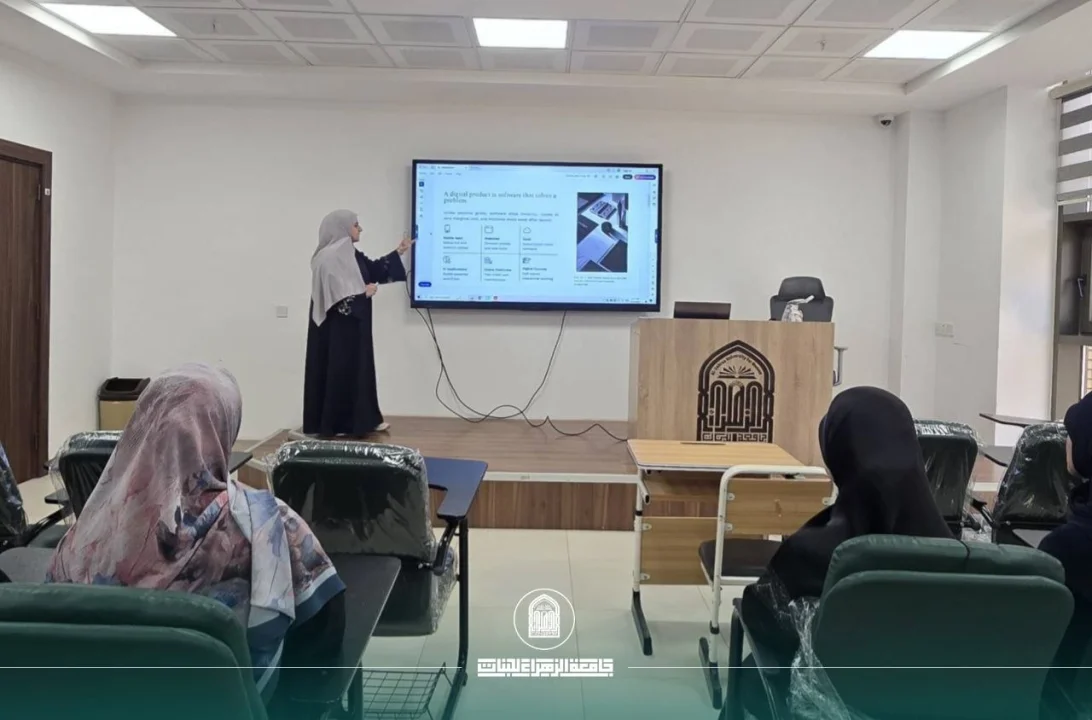
From idea to a successful digital product.. a workshop boosting tech innovation at the Faculty of Engineering
The College of Engineering and Information Technology, in collaboration with the Continuing Education Centre, organised an introductory workshop titled 'Turning an Idea into a Successful Digital Product', presented by M.M. Haneen Ta'mim Abdul Ali Hashem, a lec...
 Department News
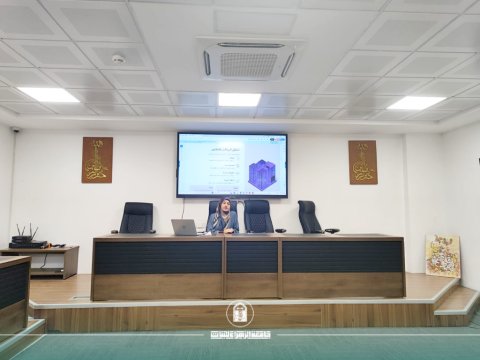
Data Analysis in the Age of Artificial Intelligence… A Scientific Workshop Exploring the Future of Digital Knowledge
Under the patronage of the University President, Prof. Dr. Zainab Al-Sultani, the Women’s Affairs Division, in collaboration with the College of Engineering and Information Technology and the Continuing Education Center, organized a scientific workshop titled...