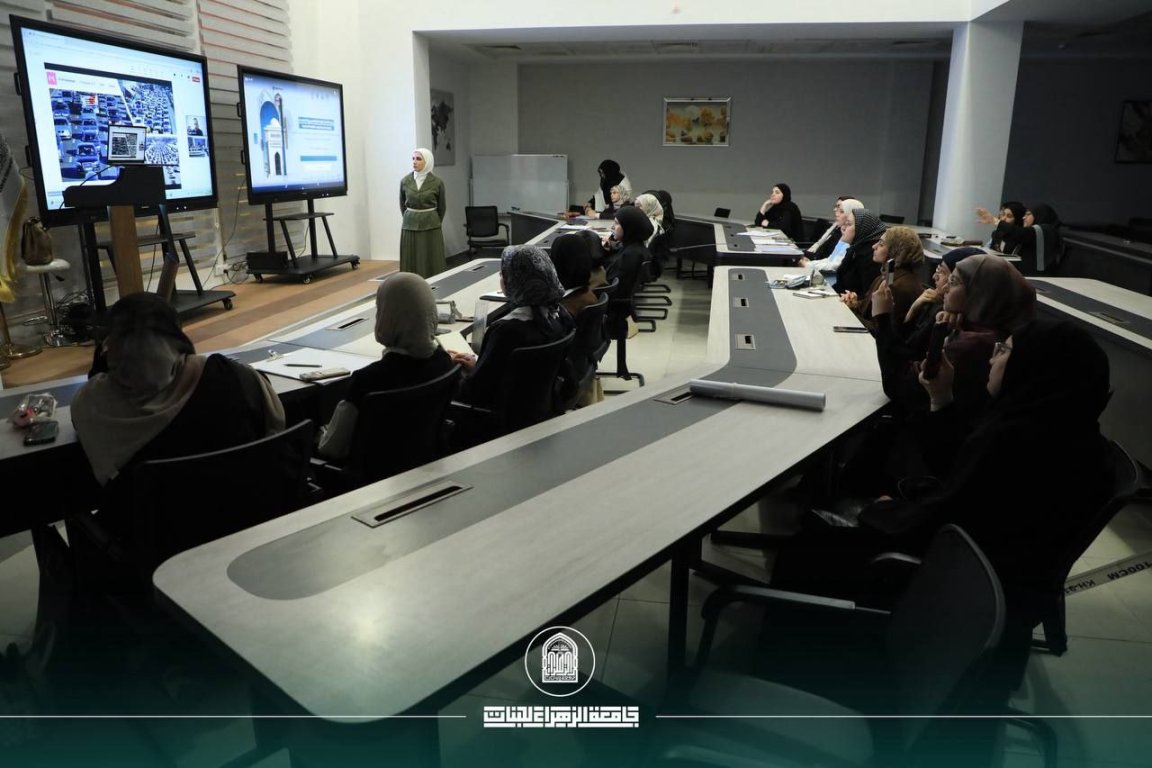
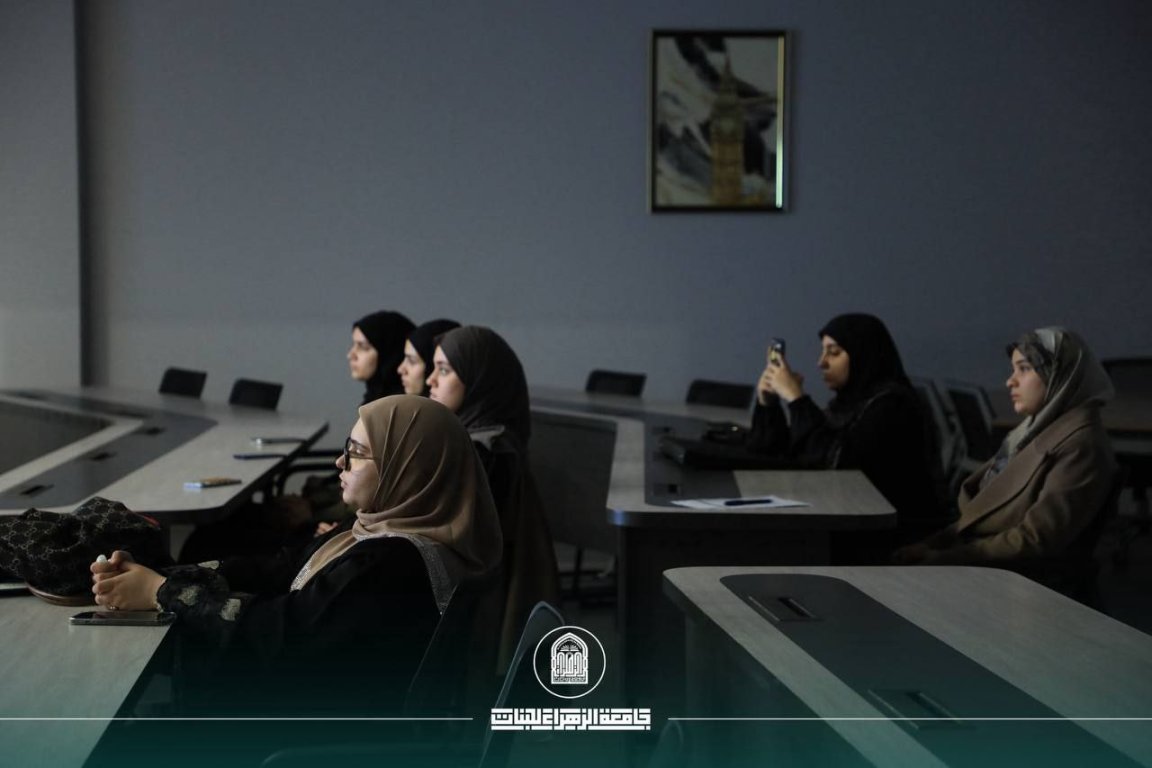
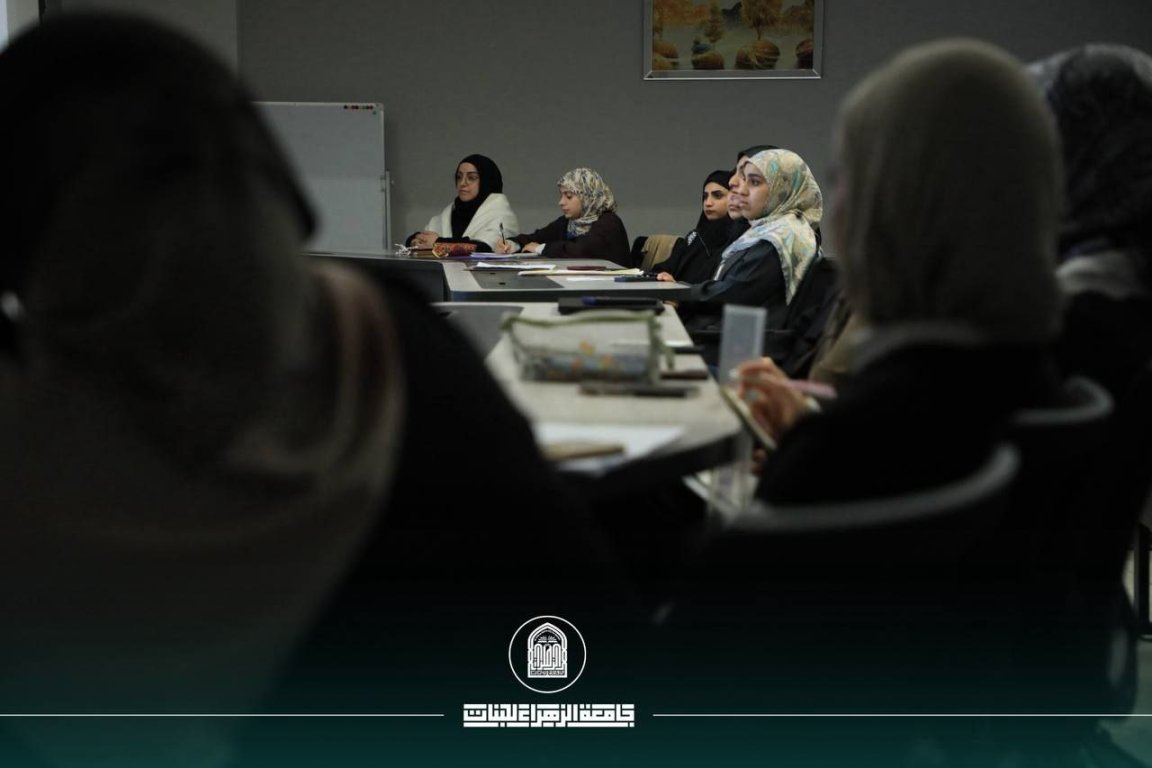
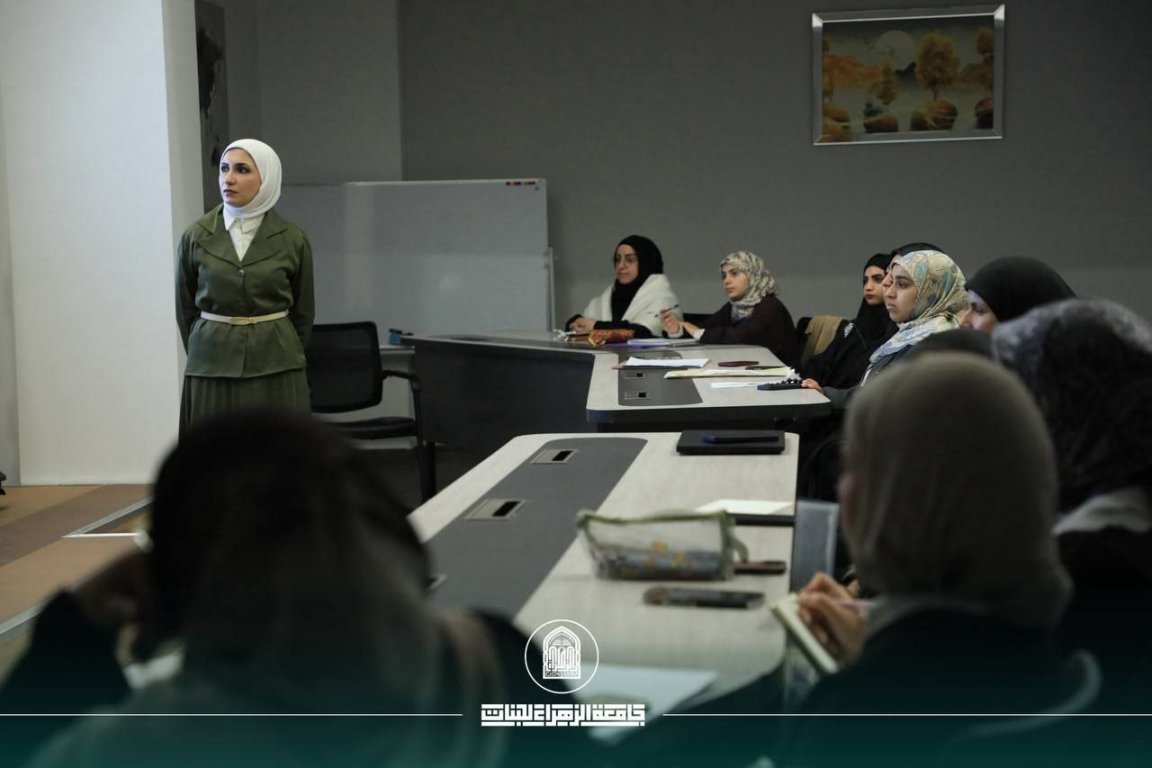
Under the patronage of the President of Al-Zahraa University for Women, Prof. Dr. Zainab Al-Sultani, and under the supervision of the Dean of the College of Engineering and Information Technology, Prof. Dr. Ghaidaa Al-Mulla, and in collaboration with the Continuing Education Center, the Department of Architecture Engineering organized a distinguished scientific workshop titled “Humanizing Cities,” with the participation of Lecturer Umayma Kazem Al-Ta’i and in cooperation with the architect and urban planner Mustafa Al-Sharif Al-Mousawi, attended by students of the department.
The workshop opened with an introductory address by Al-Ta’i, in which she emphasized that architecture is no longer merely a matter of structural configurations, but has evolved into a comprehensive human experience concerned with individuals’ psychological, physical, and social well-being. She noted that the quality of spatial environments is not measured solely by visual aesthetics, but by their ability to embrace people and foster a sense of belonging. Her interactive presentation encouraged students to reflect on their personal experiences with different spaces, comparing comfortable environments with more stressful ones, thereby linking theoretical concepts with lived perception.
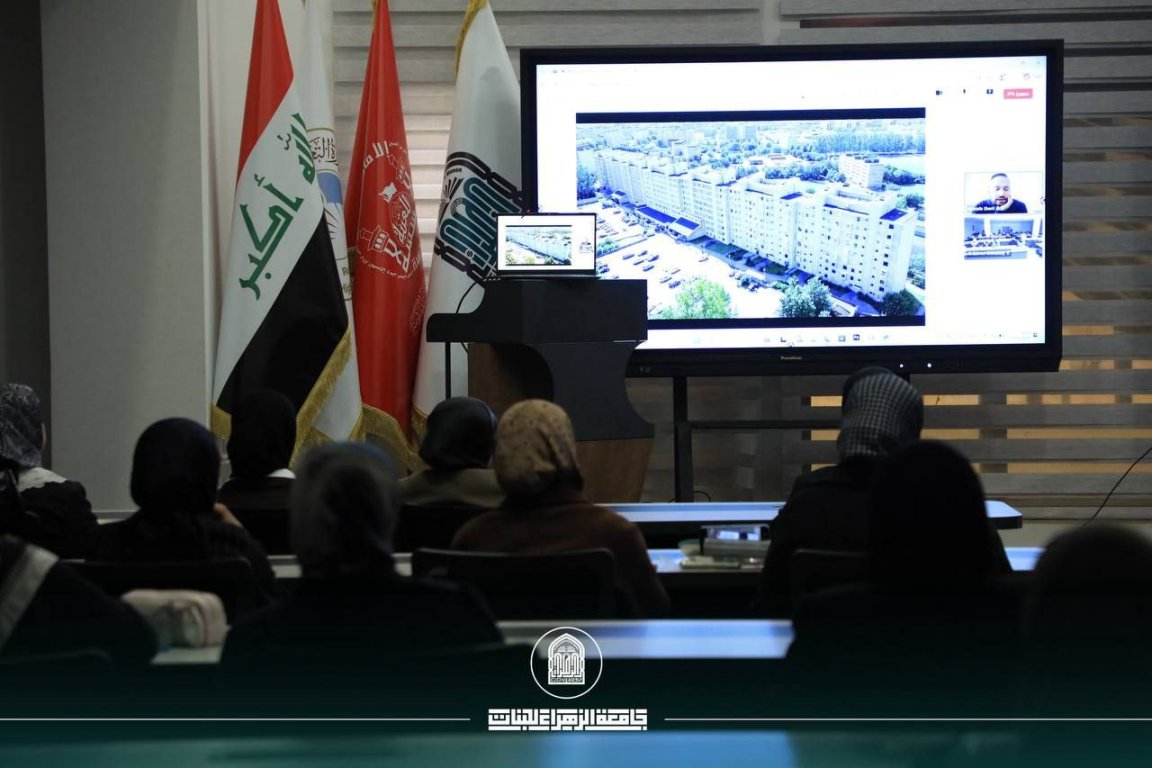
The workshop featured an online academic lecture delivered from Stockholm, Sweden, by Al-Mousawi, who presented the concept of “humanizing cities” as a contemporary approach that repositions humans at the center of the design process. He emphasized that cities are not static physical structures, but living systems designed to serve human needs and respond to their daily aspirations.
The lecture addressed key themes, including understanding human behavior and socio-psychological needs, the importance of shifting from functional to human-centered urban design, and the involvement of communities in urban decision-making to create inclusive and flexible environments. It also showcased international case studies demonstrating how thoughtful design can create more vibrant and sustainable cities.
The workshop concluded by affirming that today’s architect is not merely a designer of buildings, but a creator of human experiences responsible for shaping spaces that enhance quality of life and promote social interaction. Students were encouraged to adopt this philosophy in their future projects, integrating sustainability and resilience with human-centered design to build more conscious and inclusive cities.
Attachments
Latest News and Activities
Related Posts
Further reading and related articles you may find useful.
 College News
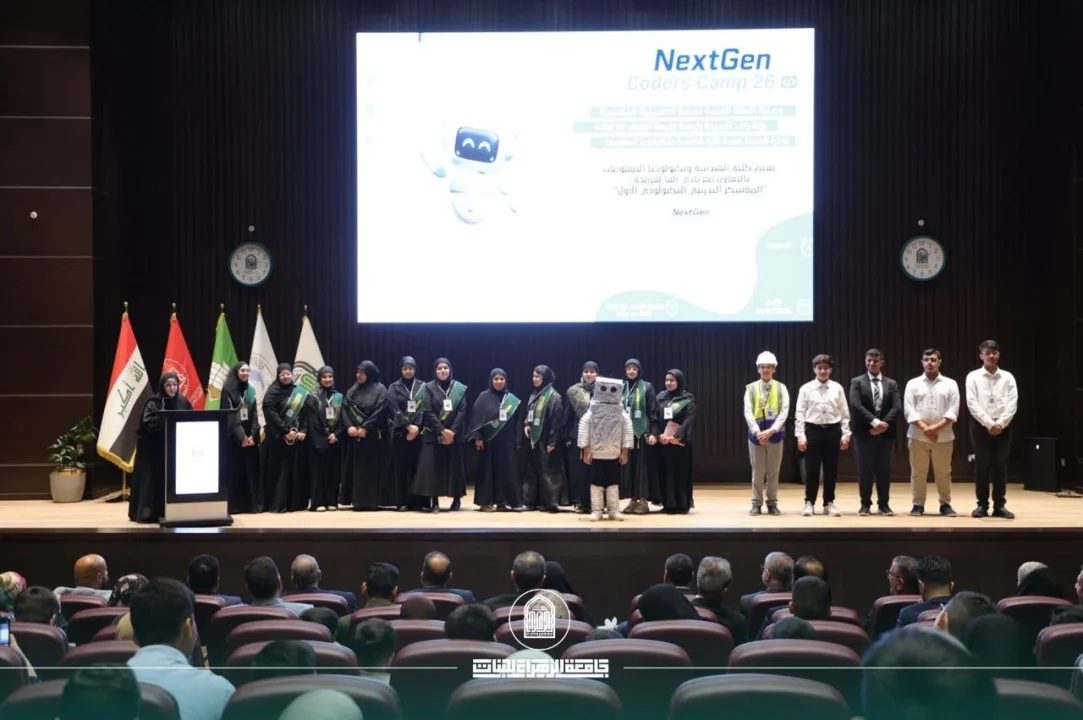
Al-Zahraa University for Women inaugurates “NextGen Coders Camp 2026,” marking the launch of Iraq’s first technology training camp.
Al-Zahraa University for Women, through its College of Engineering and Information Technology, in cooperation with Alpha Programming Club, inaugurated the activities of the “NextGen Coders Camp 2026”, the first technology training camp of its kind in Iraq. The...
 College News
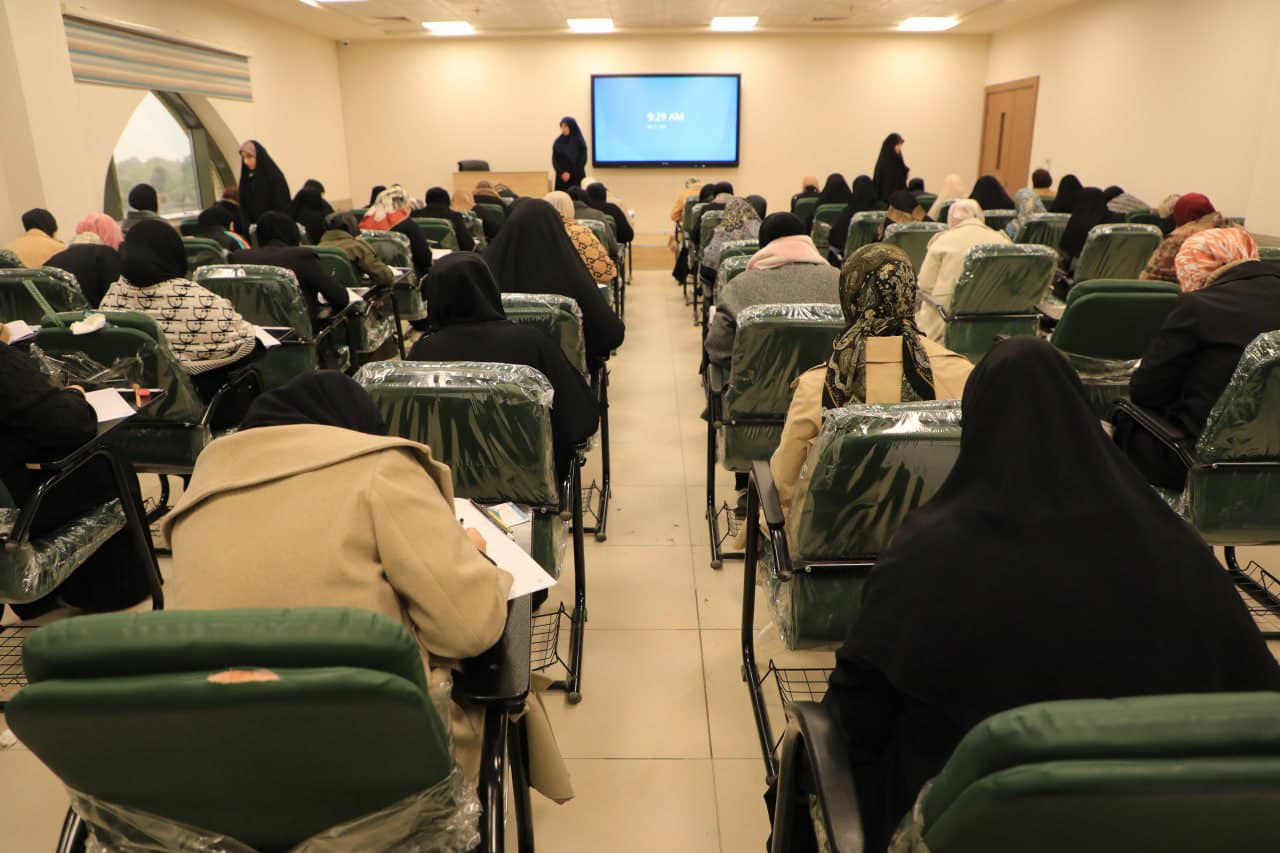
Al-Zahraa University for Women witnessed the commencement of the first day of semester exams for second-year students at the College of Information Technology Engineering, in the Artificial Intelligence Engineering and Cybersecurity Engineering Departments.
Al-Zahraa University for Women witnessed the commencement of the first day of semester exams for second-year students at the College of Information Technology Engineering, in the Artificial Intelligence Engineering and Cybersecurity Engineering Departments. Th...
 College News
Congratulations
With hearts overflowing with love and devotion, we extend our warmest congratulations and sincerest blessings to the Master of the Age and Time (may Allah hasten his noble reappearance), to the Muslim Ummah, our esteemed religious authorities, and all those wh...
 College News
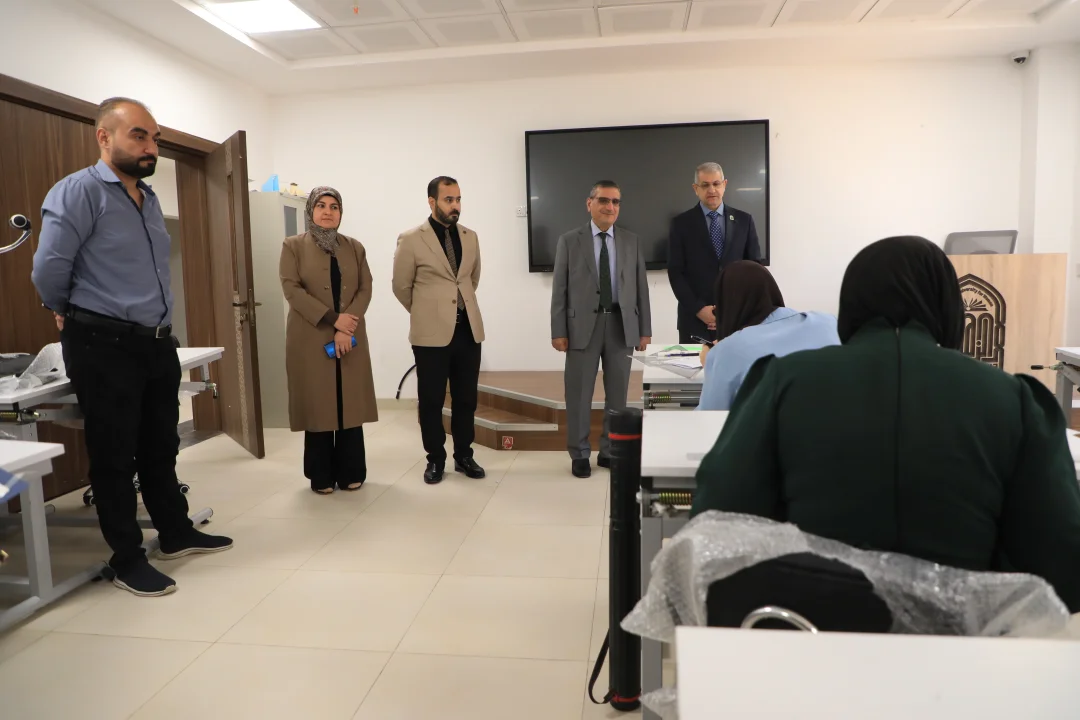
Vice Presidents of the University Conduct Field Inspection of Second-Round Examinations at the College of Engineering
The Vice Presidents of Al-Zahraa University (PBUH) for Women, Prof. Dr. Zuhair Mohammed Ali Jaddou, Vice President for Scientific Affairs, and Prof. Dr. Hassan Hadi Al-Qazzaz, Vice President for Administrative Affairs, conducted a field inspection at the Colle...