Students of the College of Engineering and Information Technology Showcase Innovative Smart Projects at the Launch of the Iraqi Programmers Association in Karbala

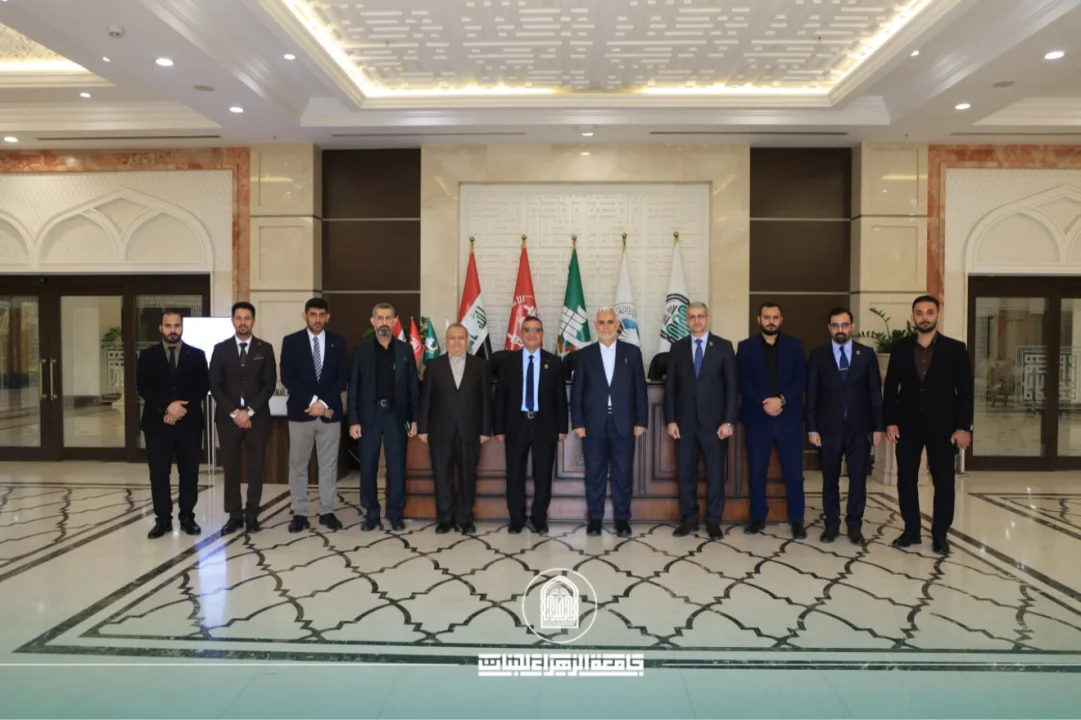
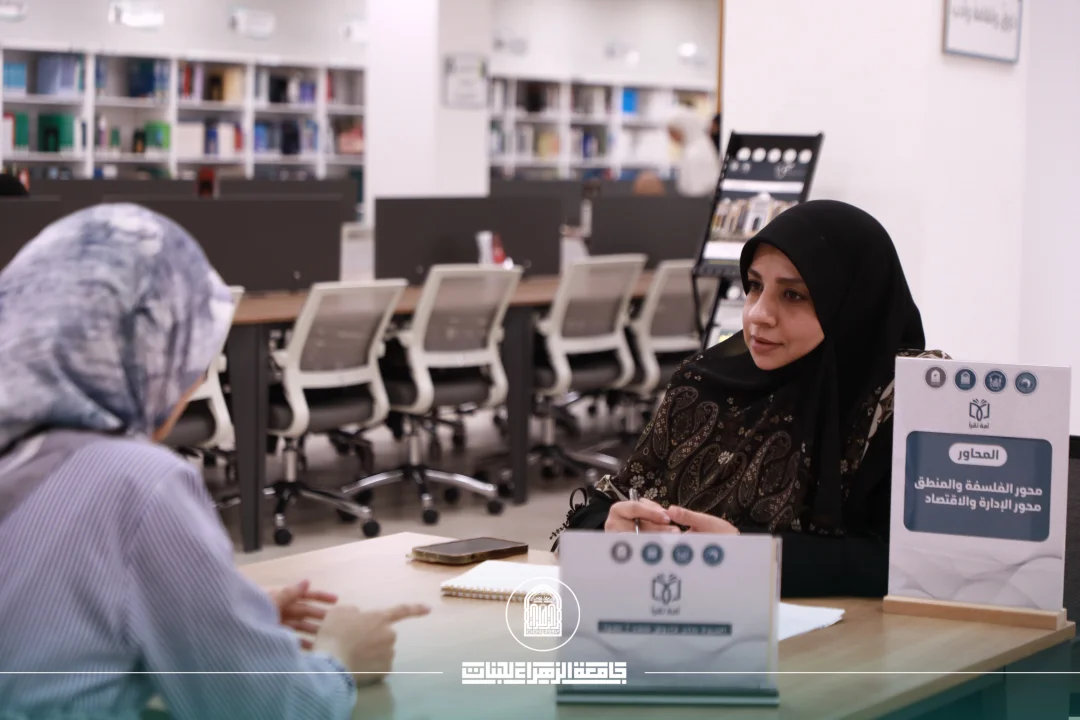
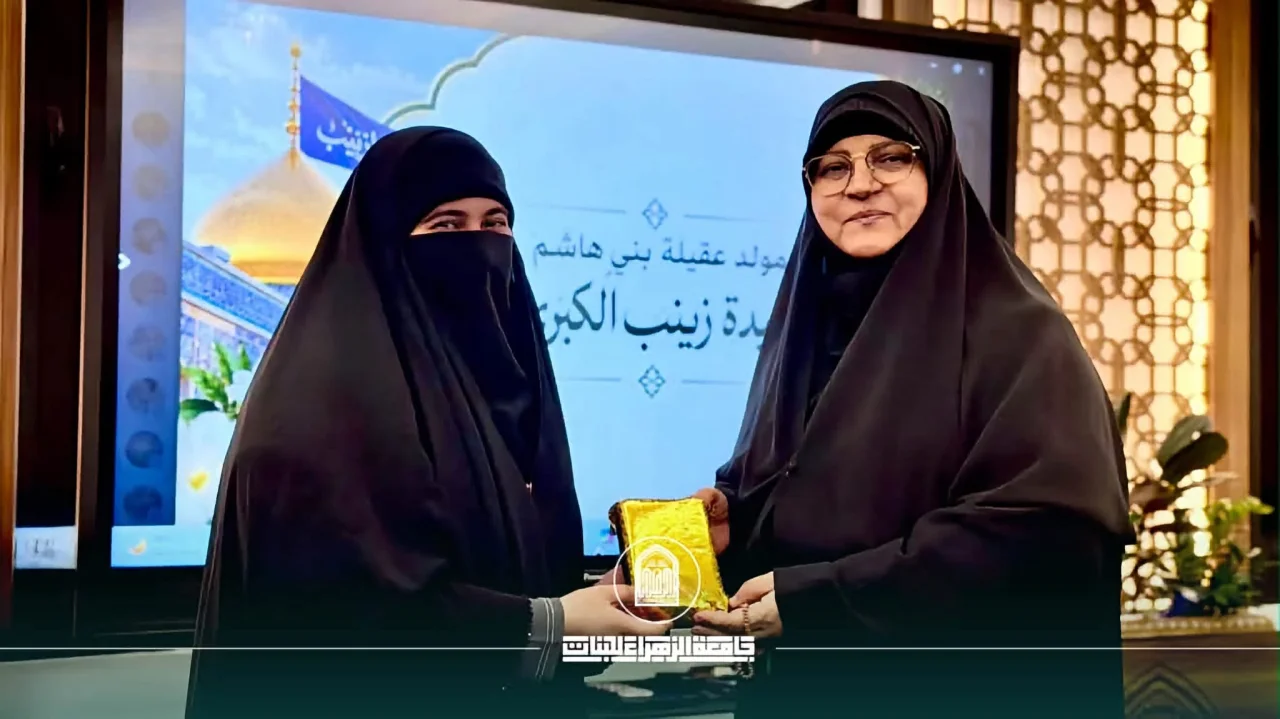
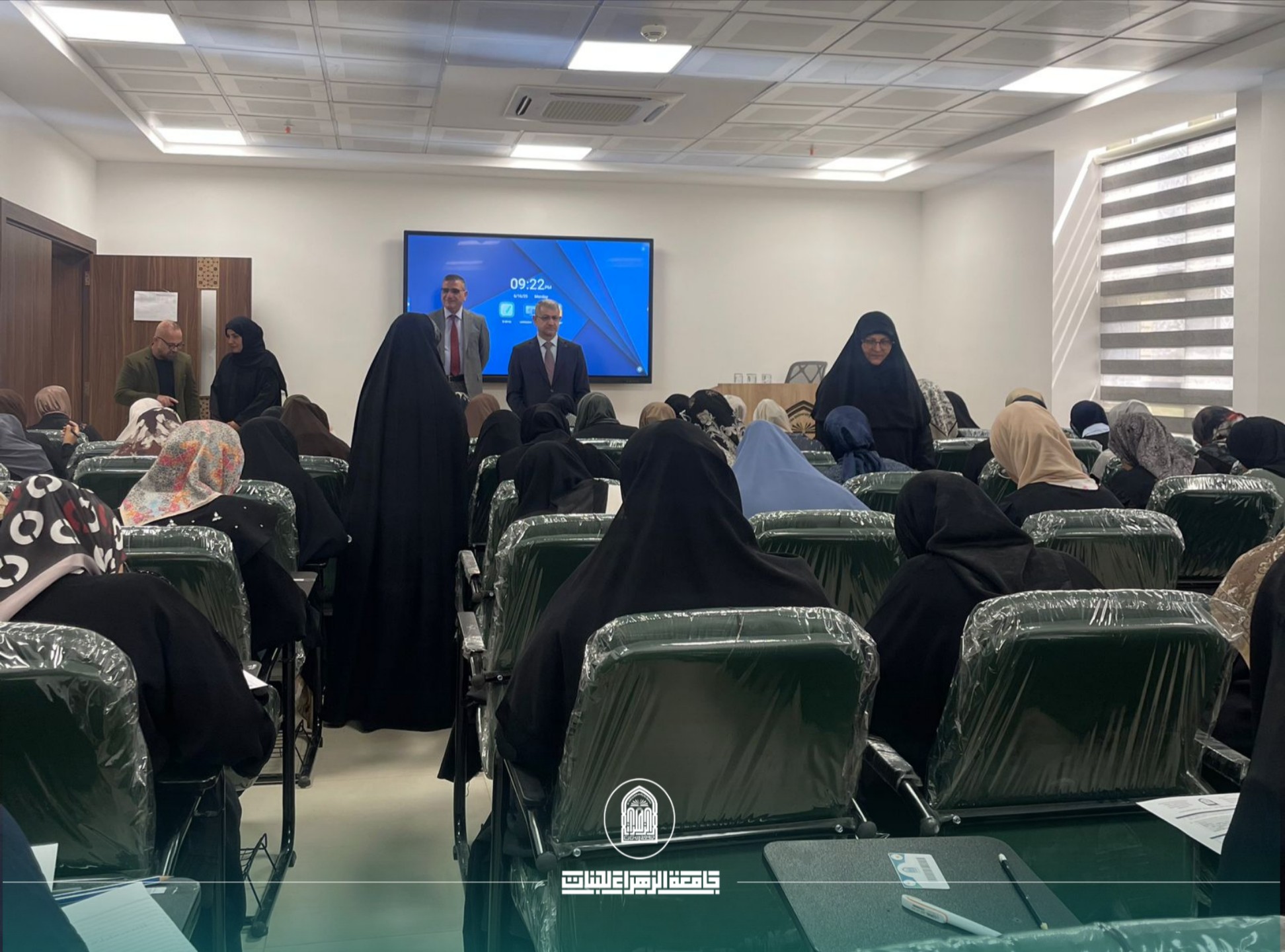
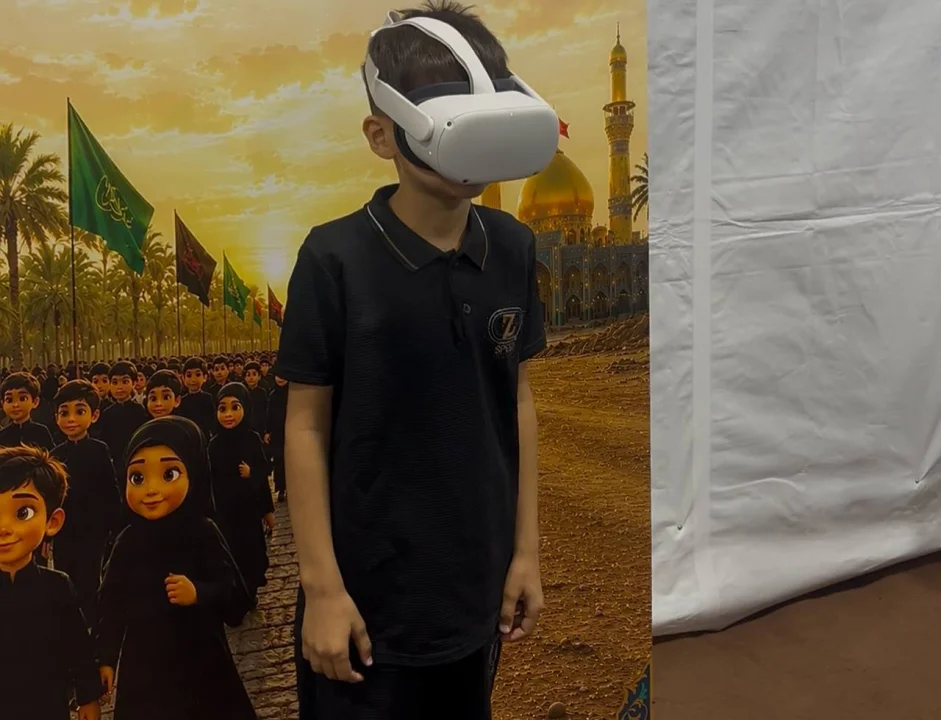
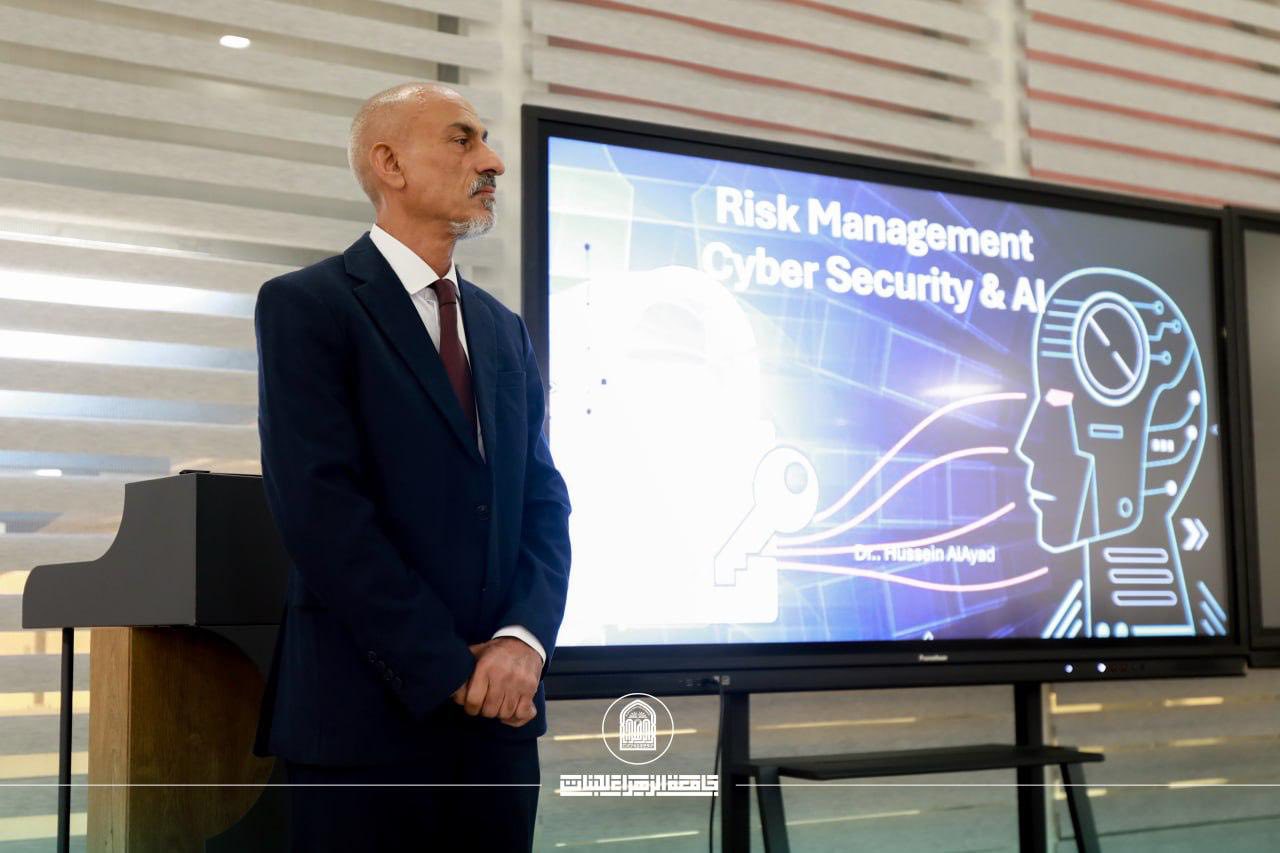
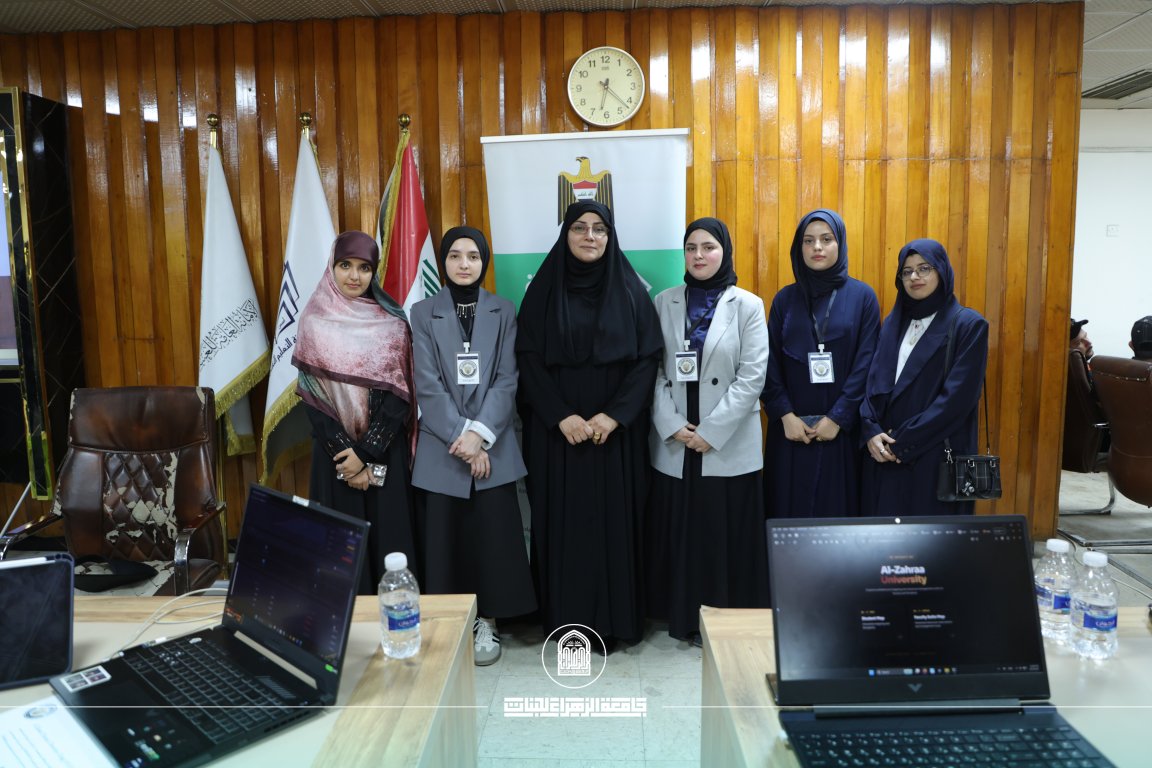
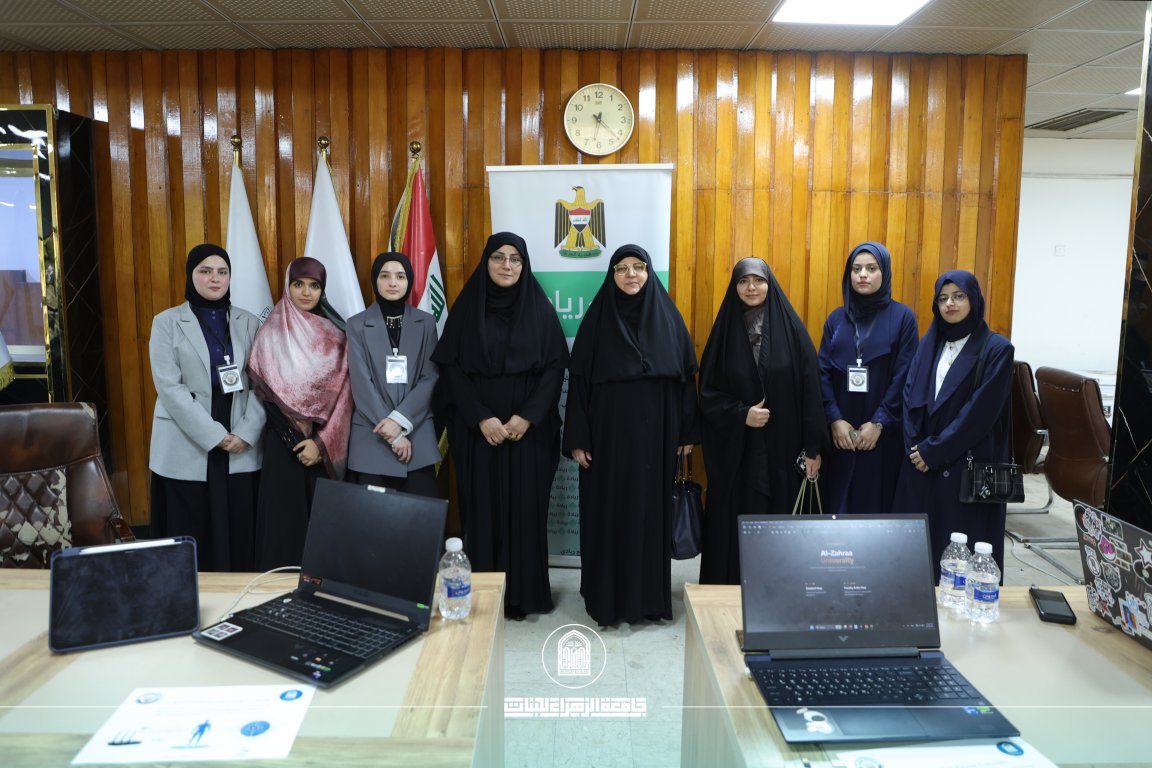
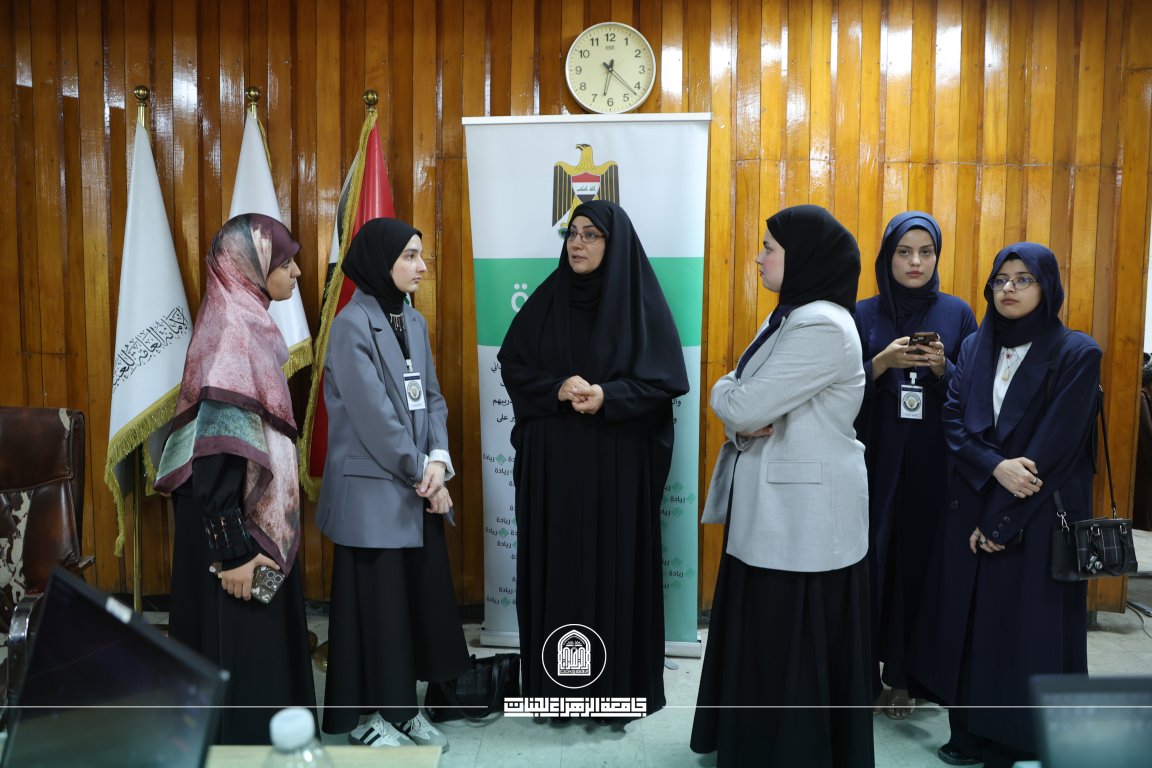
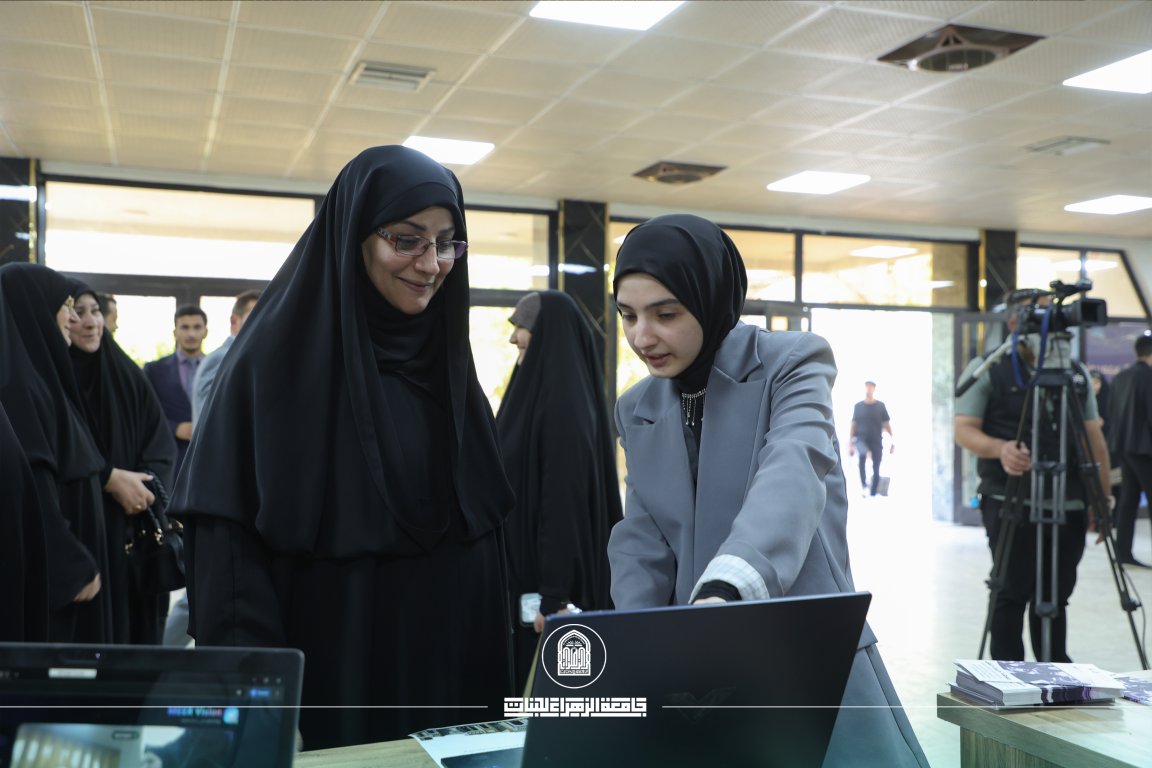
Students of the College of Engineering and Information Technology participated in the launch ceremony of the Iraqi Programmers Association in the Holy Karbala Governorate. The participation was part of the events of "Digital Karbala... Programmers' Vision Towards a Smart Environment," held under the patronage of the Governor of Holy Karbala, Dr. Nassif Jassim Al-Khattabi, and in the presence of the Dean of the College, Prof. Dr. Ghada Abdul Hussein Al-Mulla. The event featured an exhibition of several smart technical projects that reflected the students' creativity and scientific excellence in the fields of artificial intelligence (AI) and digital transformation.

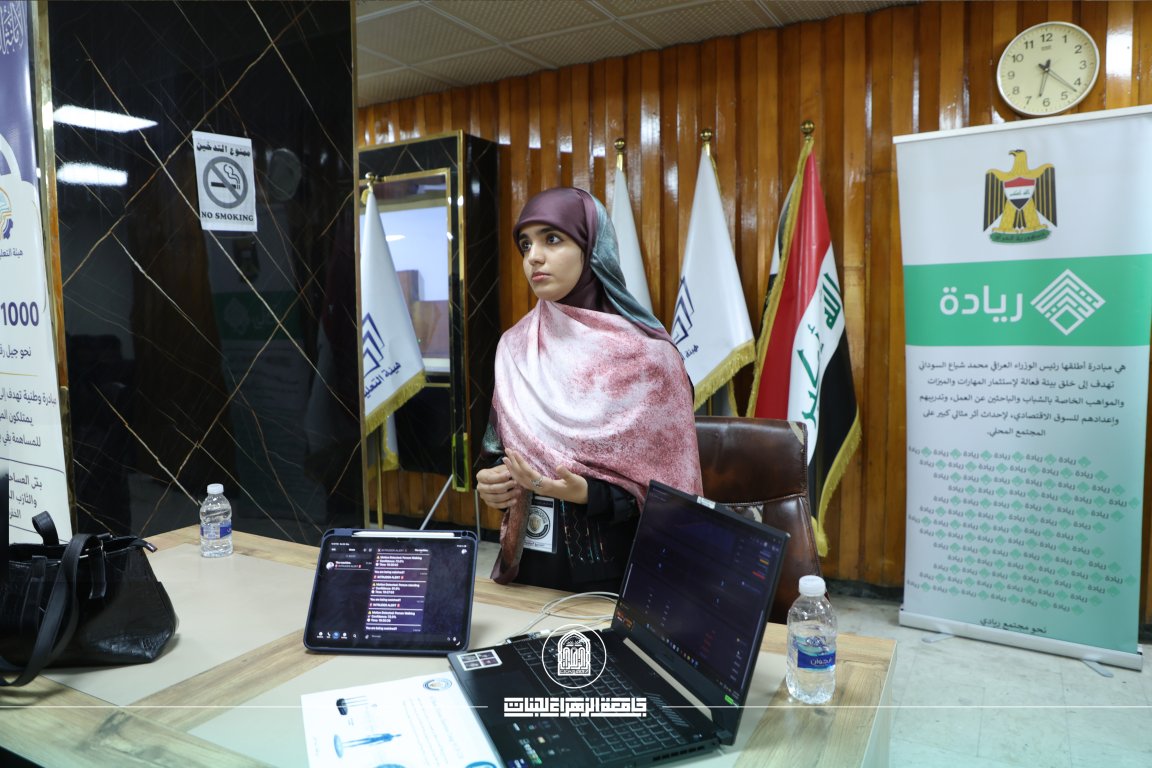
Student Simaa Al-Mu'min presented her project titled “AI-Based Human Detection Using Wi-Fi CSI.” It is an intelligent system designed to detect human presence by analyzing variations in Wi-Fi signals without the need for cameras or traditional sensors. This project provides privacy-preserving solutions, featuring a live dashboard and instant alerts via the Telegram application.

Student Khadija Javad showcased her project “NeuroDetect,” which utilizes deep learning techniques to analyze MRI images and diagnose types of brain tumors using the MobileNetV2 model. The project aims to support the medical sector by providing a fast and accurate preliminary diagnosis.

Student Amna Aqeel participated with her project “Internal Map of Al-Zahraa University,” a digital indoor map of the university. It facilitates navigation inside campus buildings through smart interfaces designed to enhance user experience and provide quick access to various destinations within the university campus.

Furthermore, students Naba Qutaiba Mardan, Fadak Al-Zahraa Hamid, Naba Wathiq, and Nariman Hadi Aliwi presented their joint project “Meer Vision.” This is a multimodal smart assistant capable of seeing, listening, and speaking, designed to support the blind and visually impaired. Additionally, it can be utilized in smart education, smart homes, and factories as an integrated smart monitoring system. The project received widespread acclaim, and the Governor highlighted its potential for a patent due to its innovative and distinguished concept.

These participations align with the keenness of the College of Engineering and Information Technology to support its students and empower them to present innovative technological projects, thereby contributing to advancing digital transformation pathways and building a knowledge-based environment that keeps pace with modern technological developments.

Division of Media and Government Communication