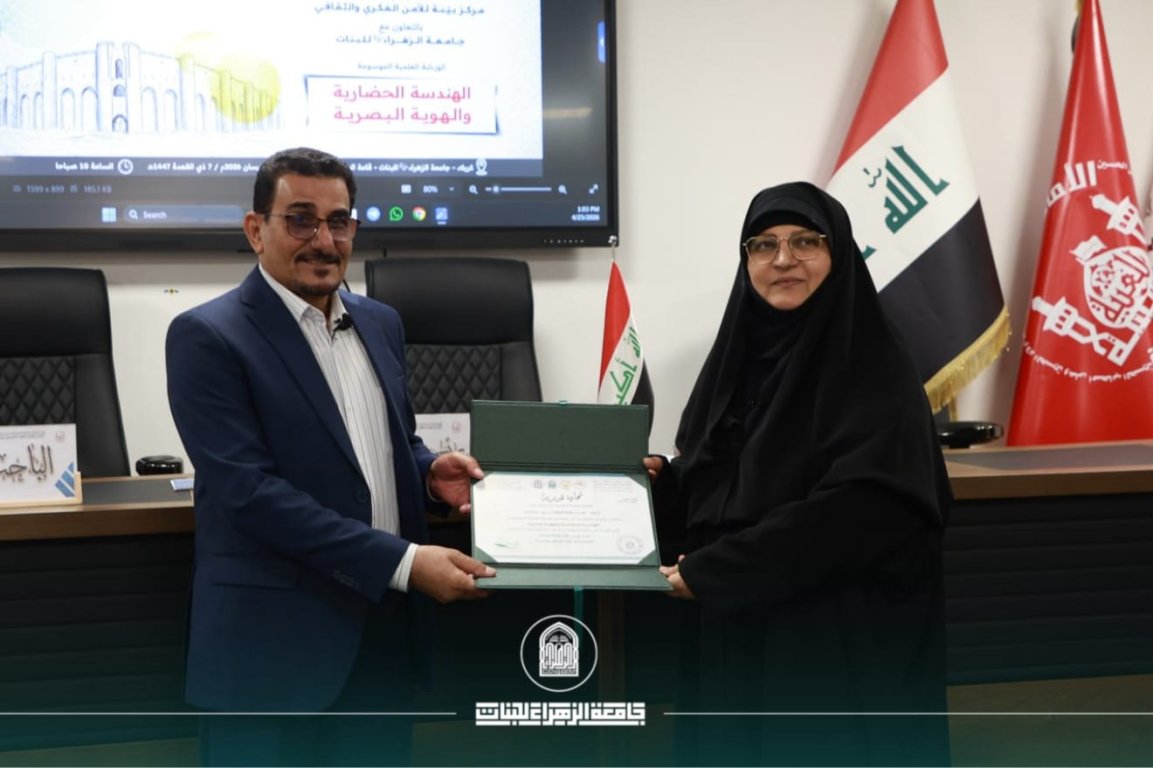
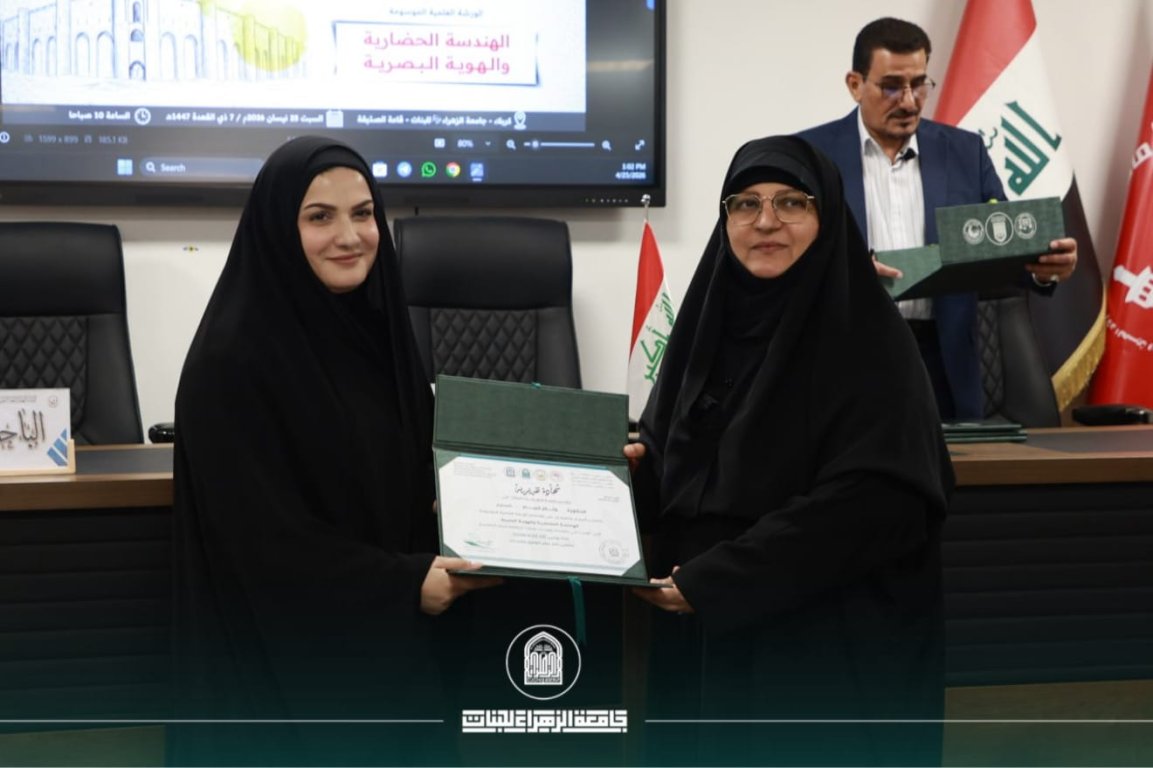
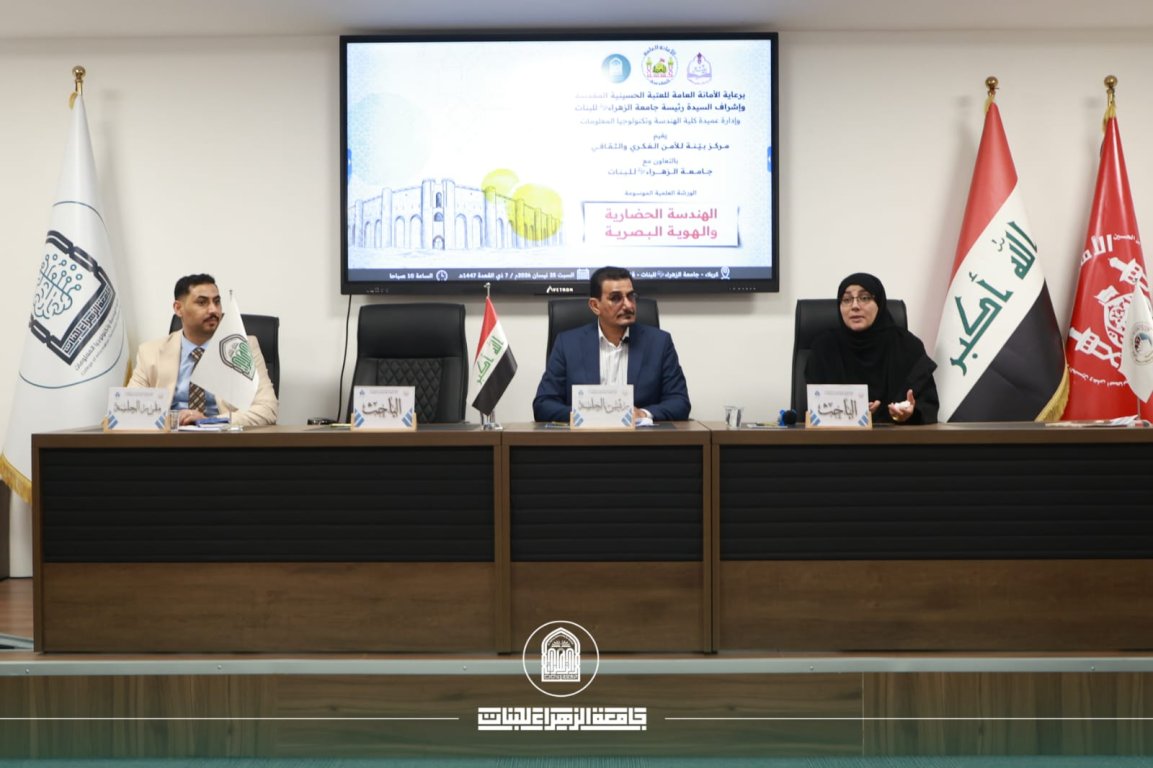
Under the patronage of the General Secretariat of the Holy Hussaini Shrine, and under the supervision of the President of Al-Zahraa University for Women, Prof. Dr. Zainab Al-Mulla Al-Sultani, and the administration of the Dean of the College of Engineering and Information Technology, Prof. Dr. Ghaydaa Abdul-Hussein, Baina Center for Intellectual and Cultural Security, in cooperation with Al-Zahraa University for Women, organized a specialized scientific workshop titled: “Urban Engineering and Visual Identity,” in an academic and cultural event that combined depth of thought with aesthetic presentation.
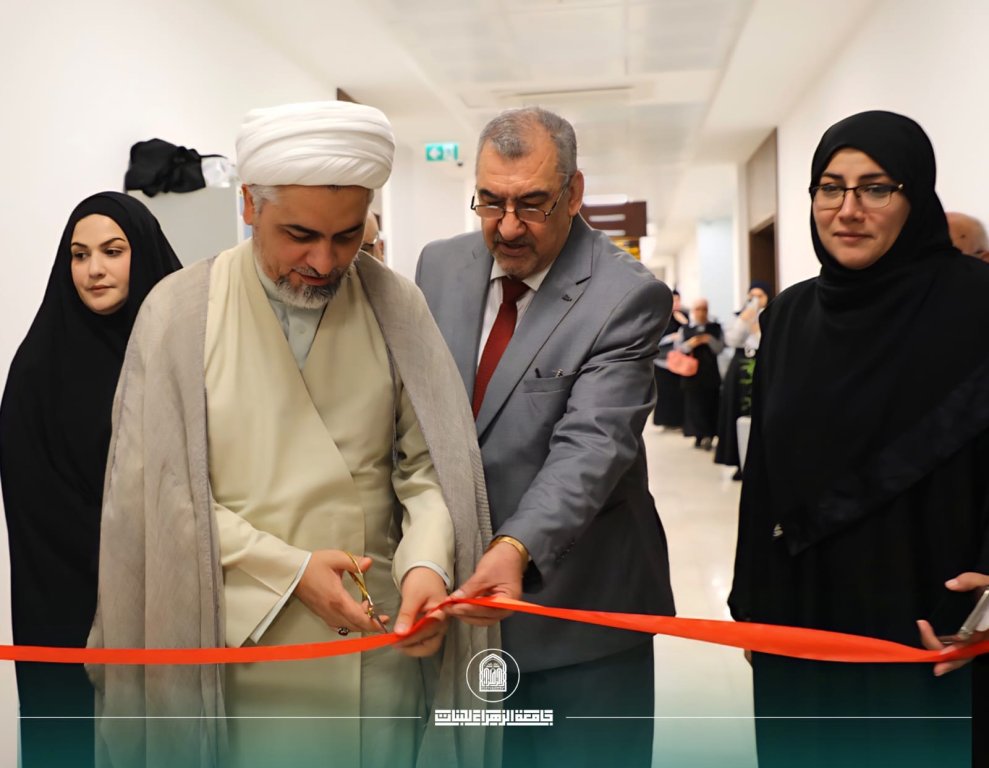
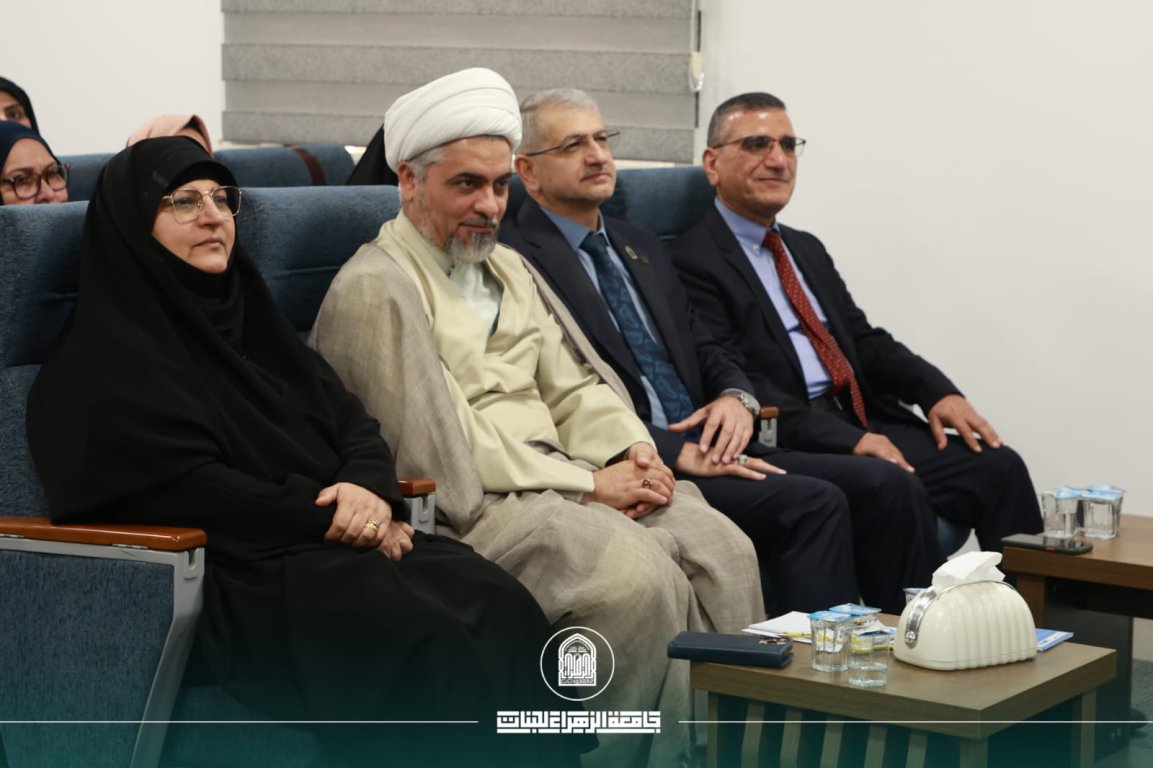
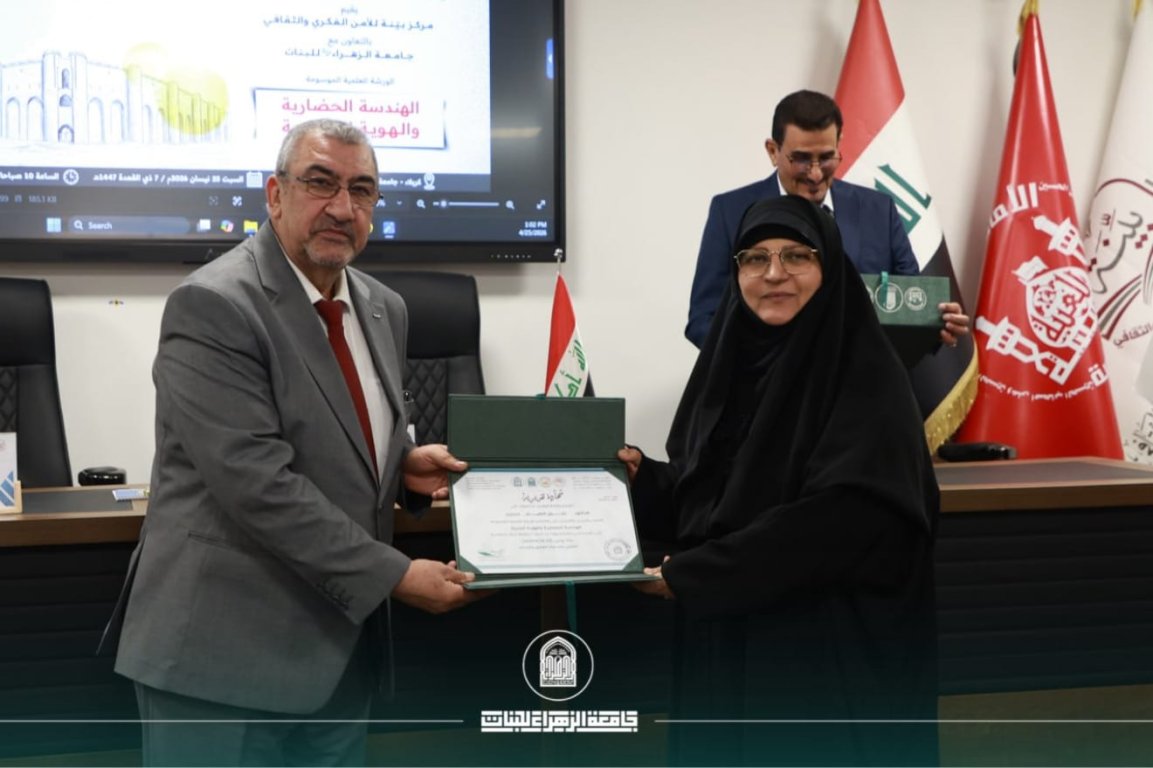
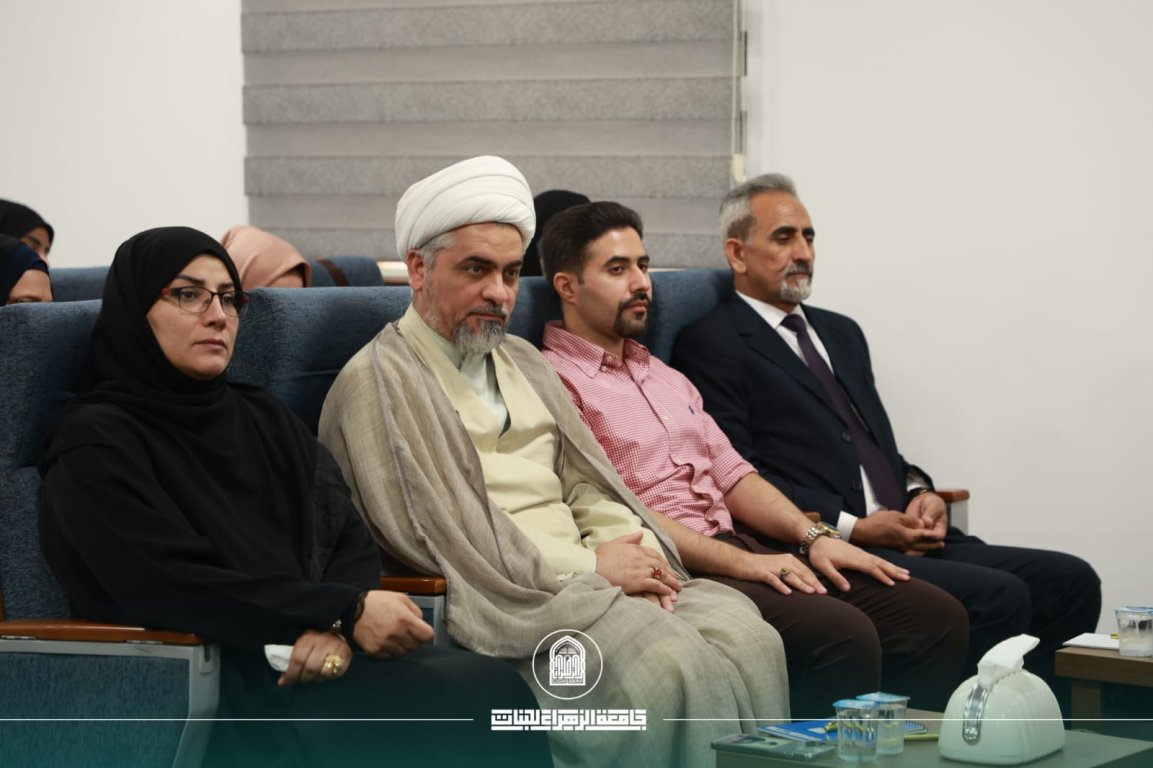
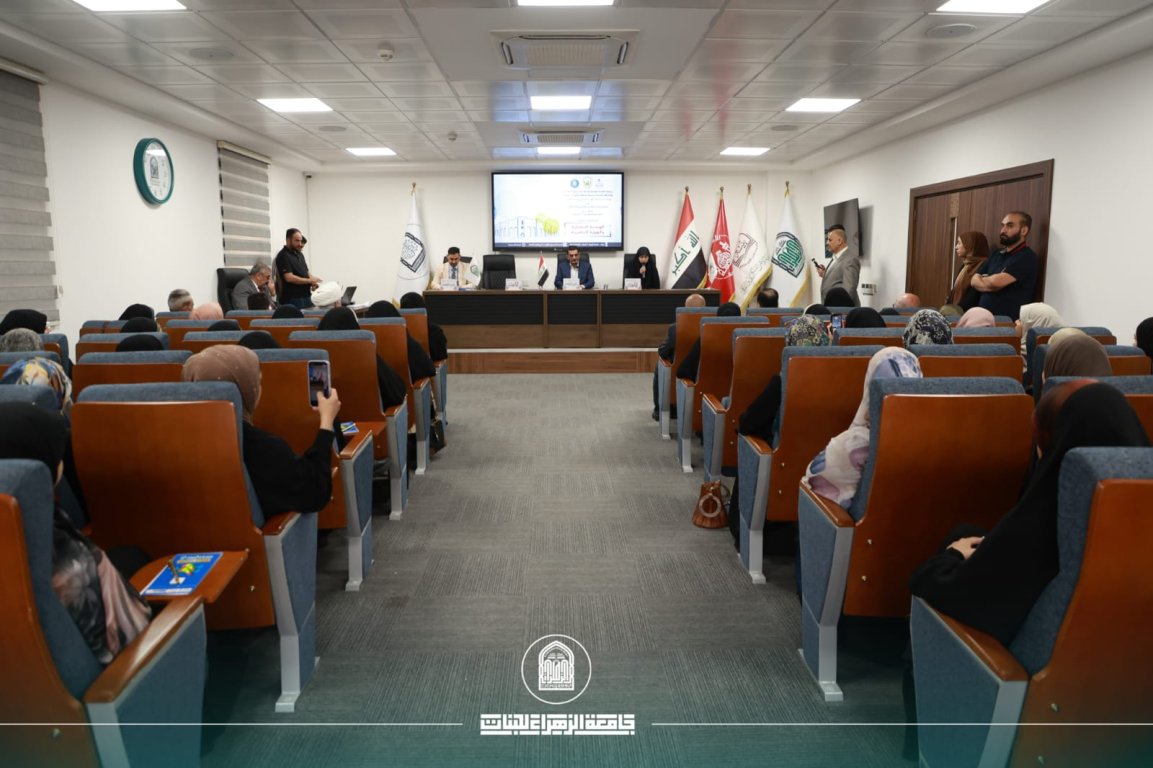
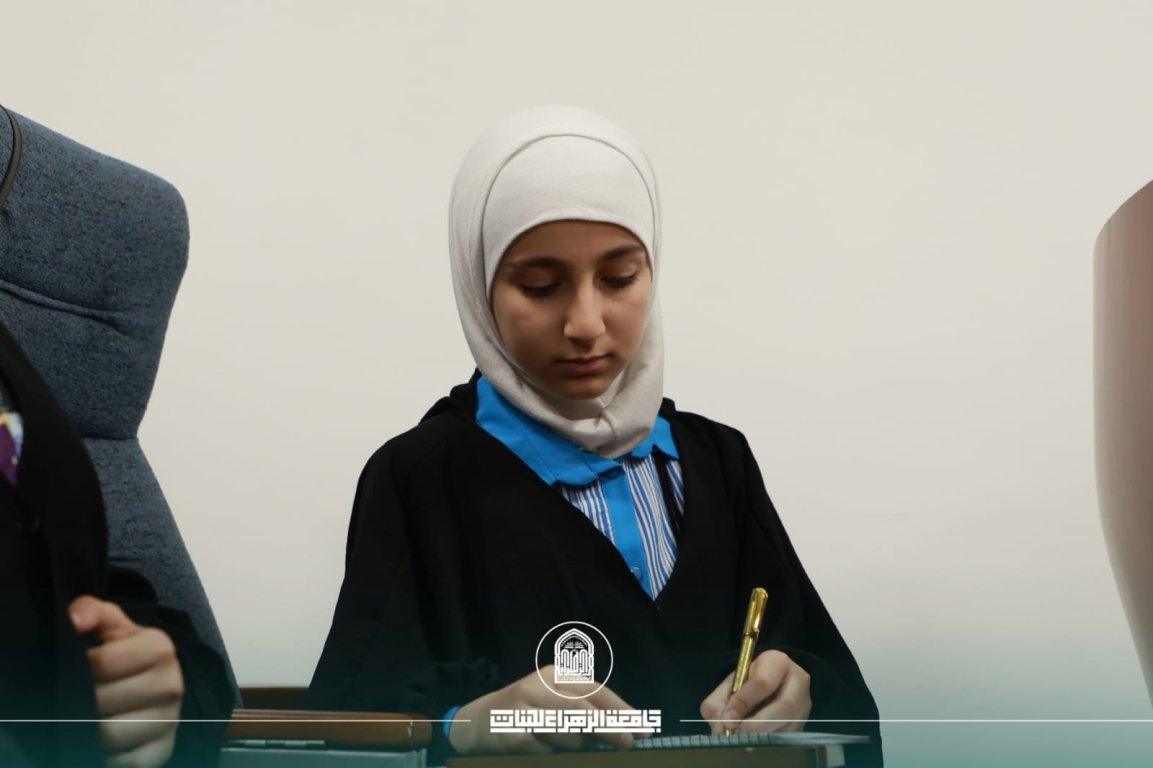
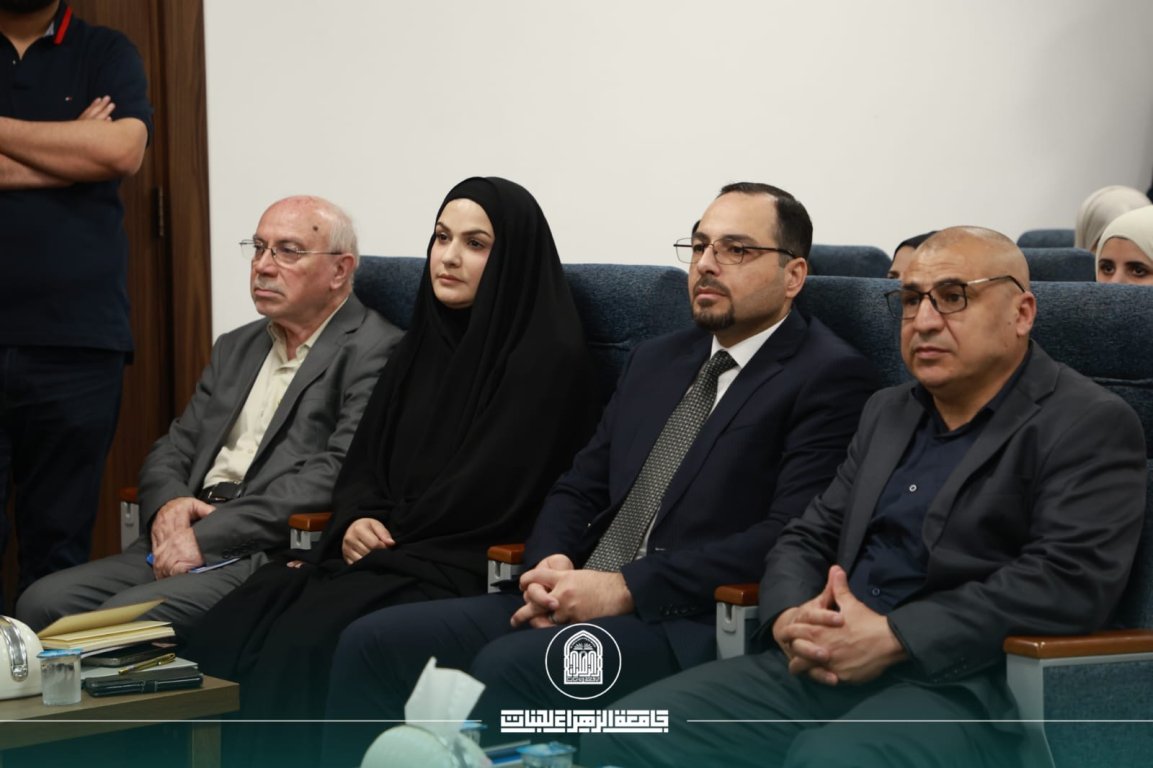
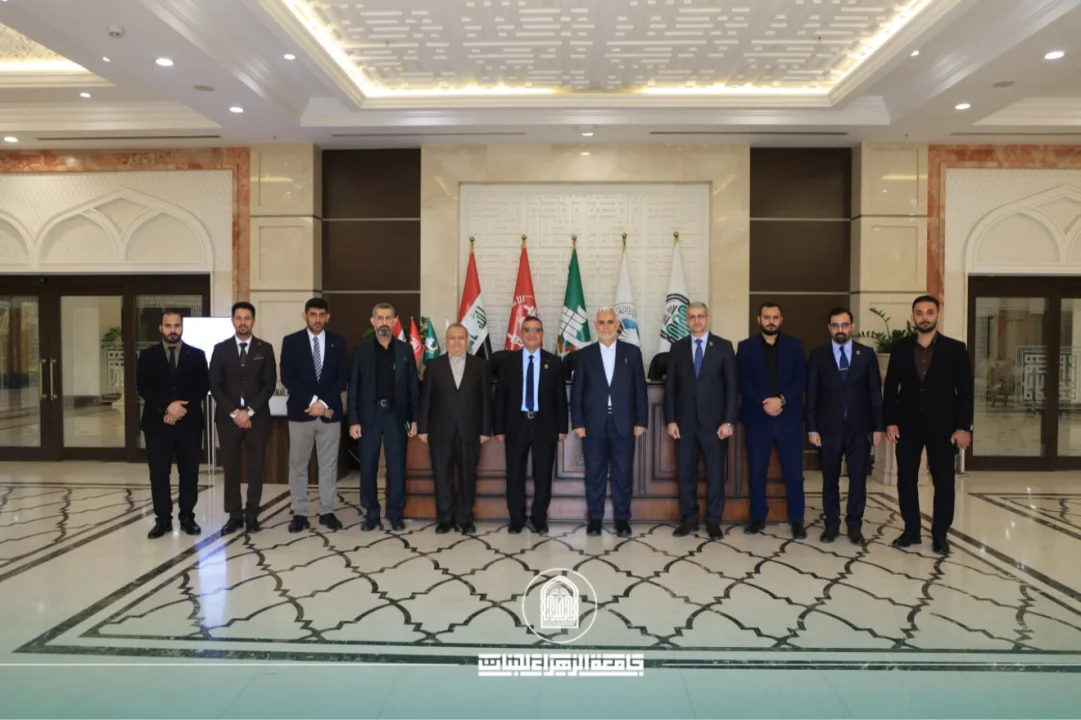
The workshop activities began with an official opening ceremony that included the ribbon-cutting, marking the launch of the event, followed by the opening of a book and art exhibition that reflected the richness of civilizational identity and its visual manifestations, with notable academic and cultural attendance, including a delegation from University of Technology - Iraq, as well as a number of faculty members, researchers, and students.
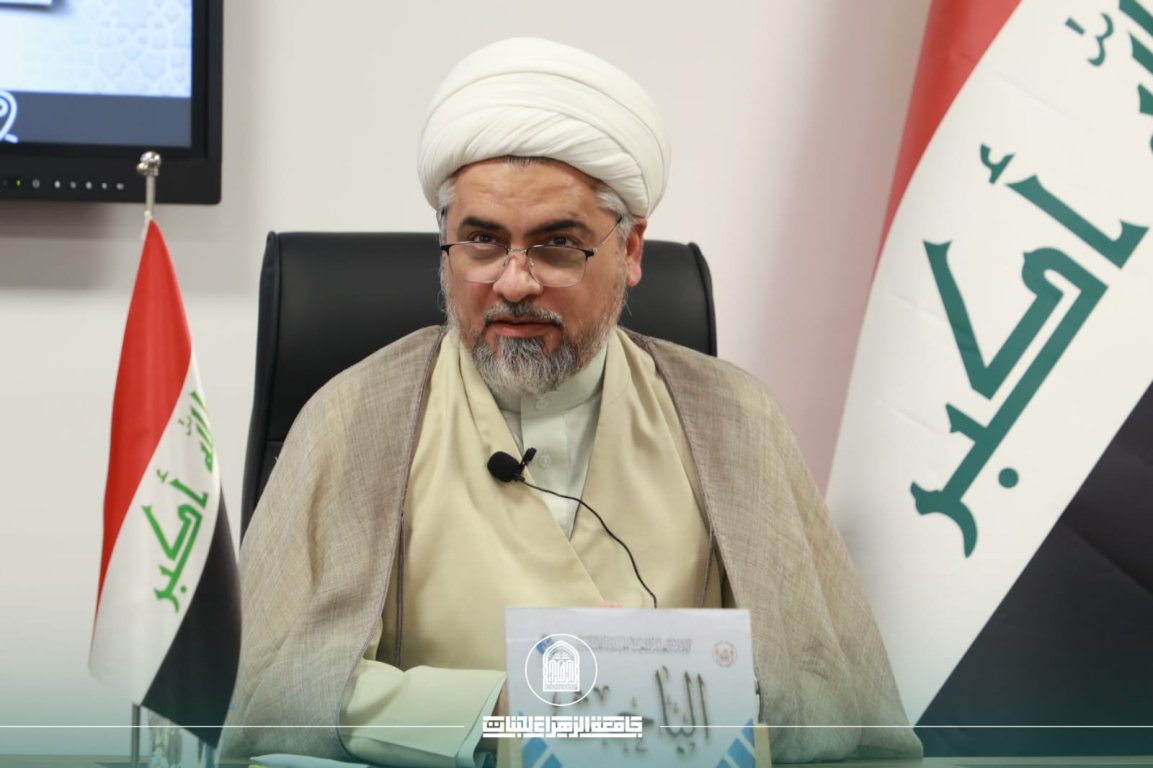
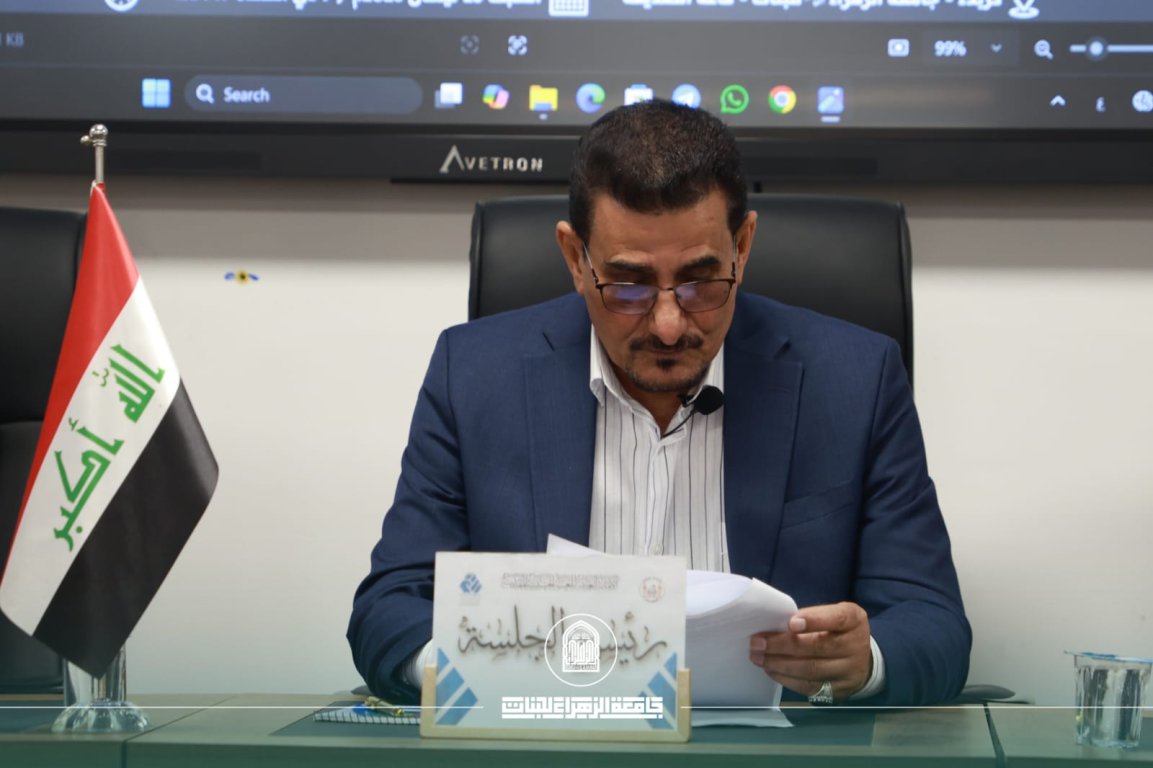
After the Dean welcomed the attendees, the session was opened by His Eminence Sheikh Ali Al-Qaraawi, Head of the Intellectual Affairs Department at the Holy Hussaini Shrine, who emphasized the importance of consolidating the concepts of civilizational identity within academic institutions and the necessity of investing them in scientific fields, particularly in engineering and architectural disciplines.
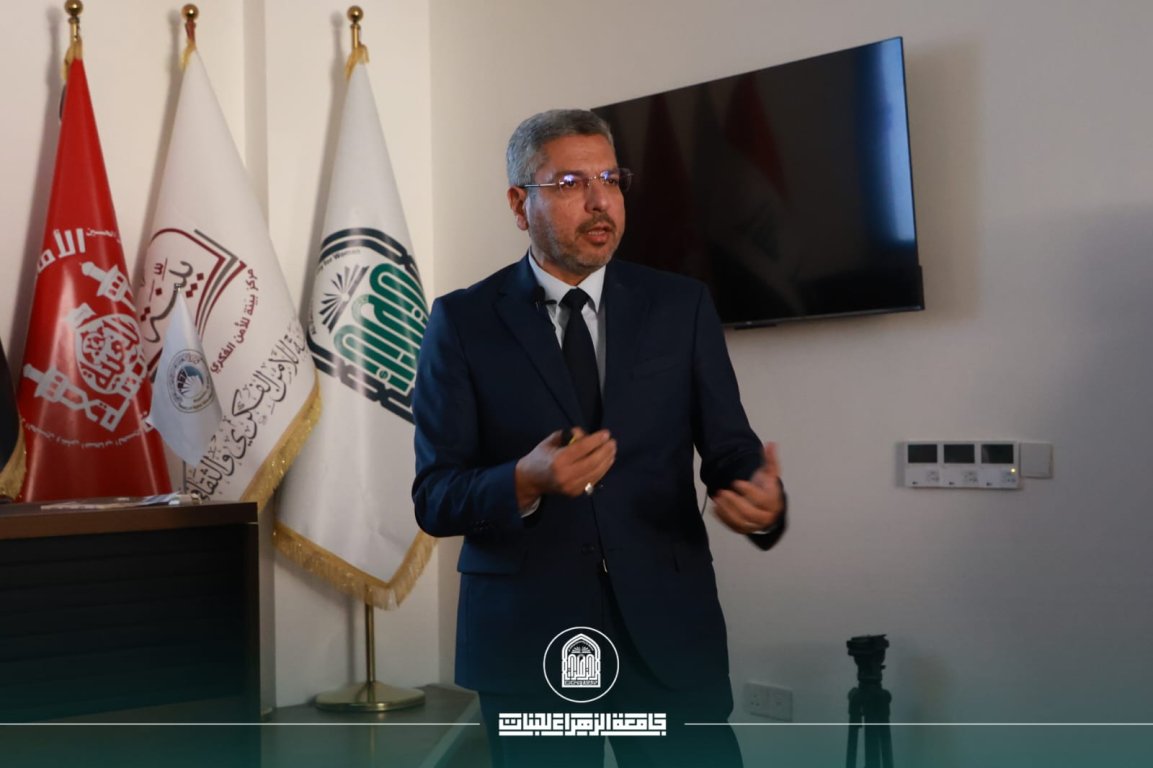
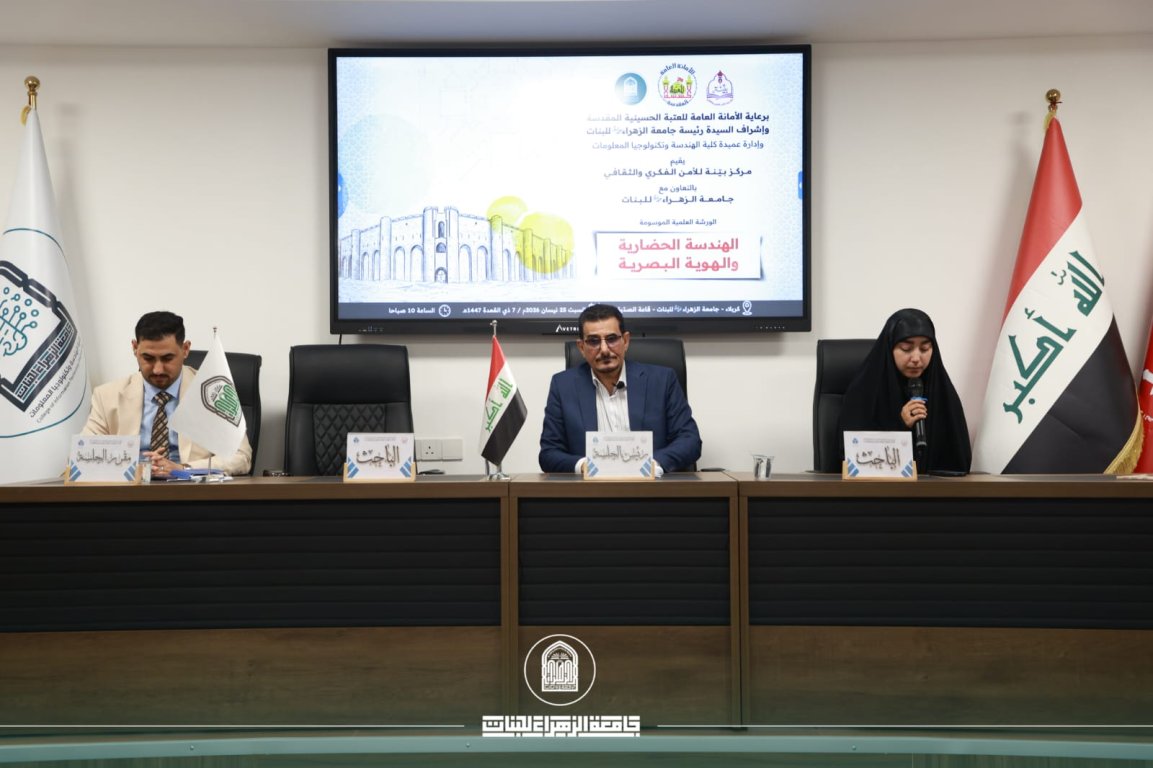
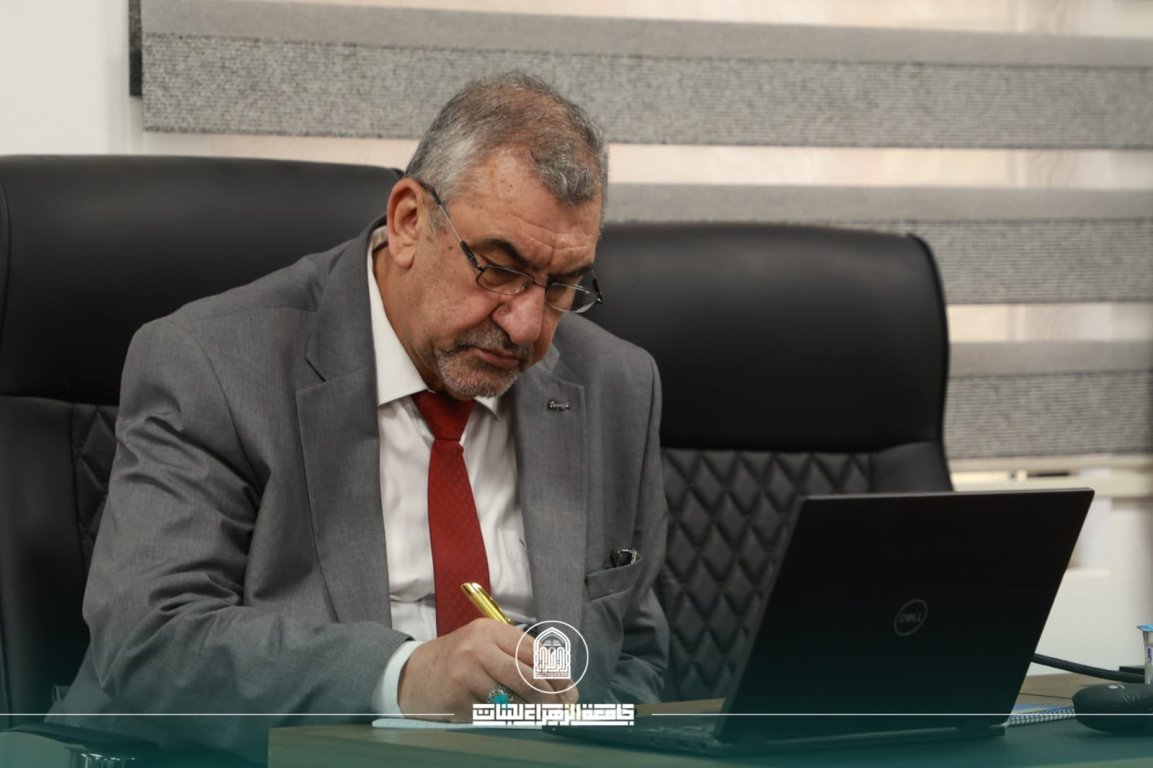
The workshop was presented by Dr. Wi’am Kareem Al-Mousawi, an archaeology researcher at the center, and Dr. Haider Naji, lecturer in the Department of Architecture Engineering. Al-Mousawi addressed the historical and intellectual dimensions of visual identity and its connection to the civilizational roots of societies, while Dr. Naji presented the theoretical foundations of urban engineering as a methodological framework that balances authenticity and modernity.
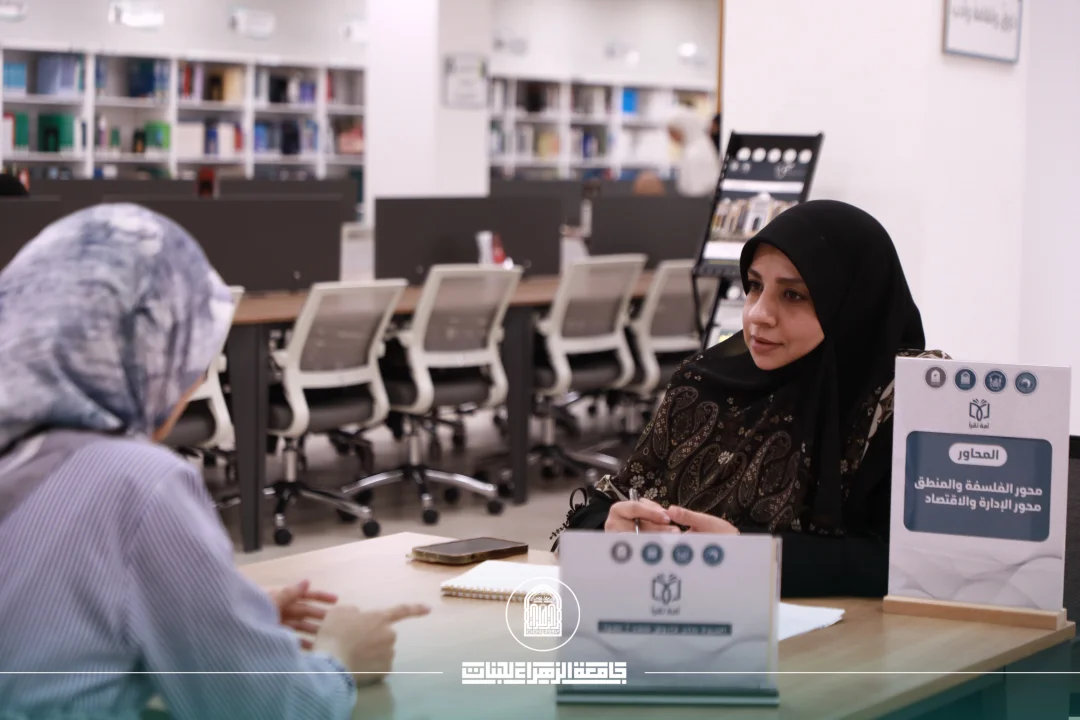
The workshop also included documentary video presentations showcasing applied models of visual identity in architecture, in addition to high-level contributions from attendees, which enriched the discussion and opened dialogue on mechanisms for integrating civilizational concepts into contemporary design.
This workshop represents the first theoretical stage, to be followed by a practical day dedicated to translating the presented concepts into design applications in the field of architectural engineering.
The event reflects the College of Engineering’s efforts to enhance academic awareness of civilizational concepts and support integration between theoretical and practical aspects, contributing to preparing qualified professionals capable of employing these concepts in engineering and architectural design fields.
Attachments
Latest News and Activities
Related Posts
Further reading and related articles you may find useful.
 College News
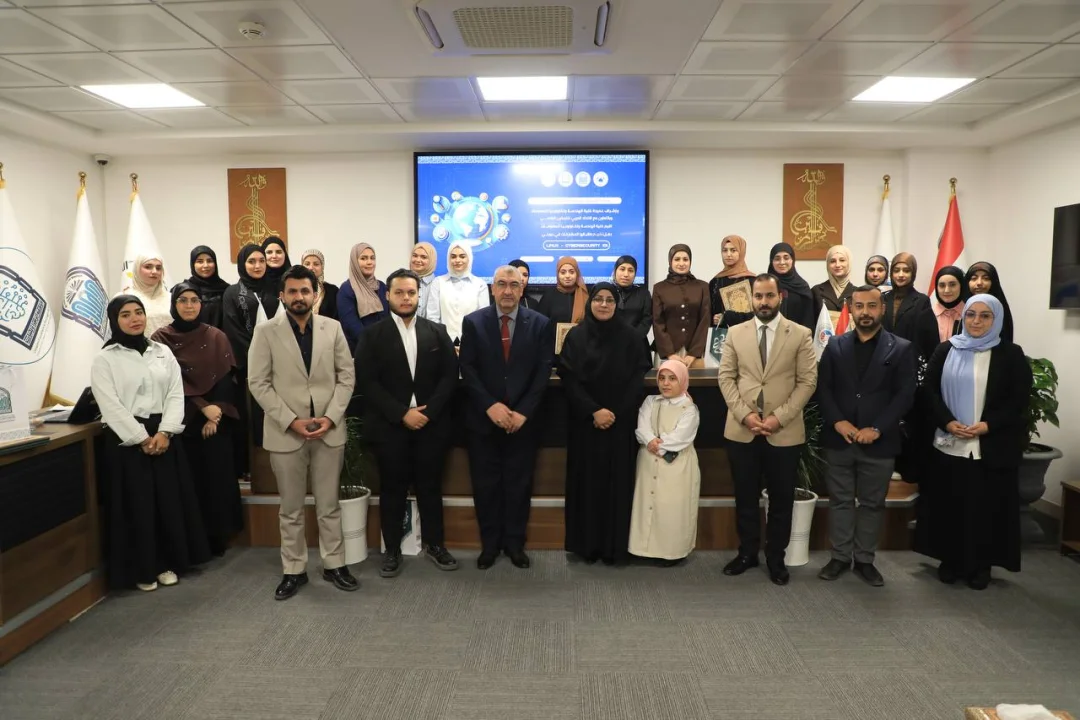
With the approval of the legal custodian, the establishment of the Digital Community Club headquarters crowns the ceremony honoring the outstanding female students of the College of Engineering at Al-Zahraa University.
The College of Engineering and Information Technology, in cooperation with the Arab Federation for Digital Empowerment and the Continuing Education Center, held a ceremony to honor the female students who achieved first place in the Linux and Cybersecurity 101...
 College News
Dean Participates in Official Visit to the Scientific Research Authority to Strengthen Research Collaboration
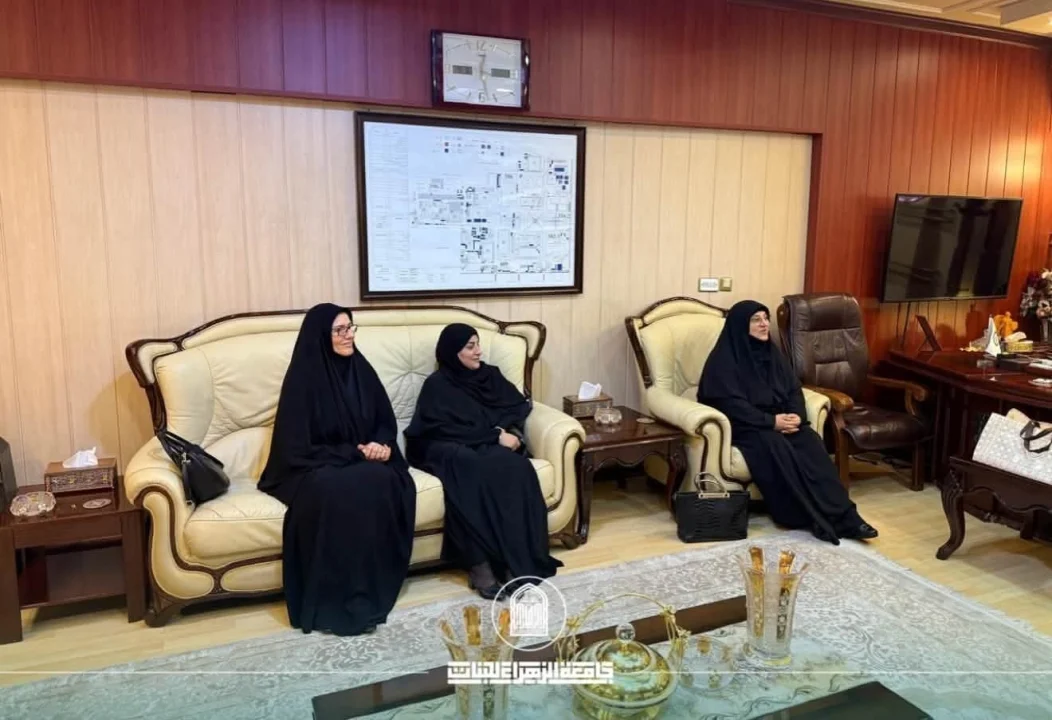
The Dean of the College of Engineering and Information Technology, Prof. Dr. Ghaidaa Al-Mulla, participated as part of the senior delegation of Al-Zahraa University for Women in an official visit led by the University President, Prof. Dr. Zainab Al-Sultani, to...
 College News
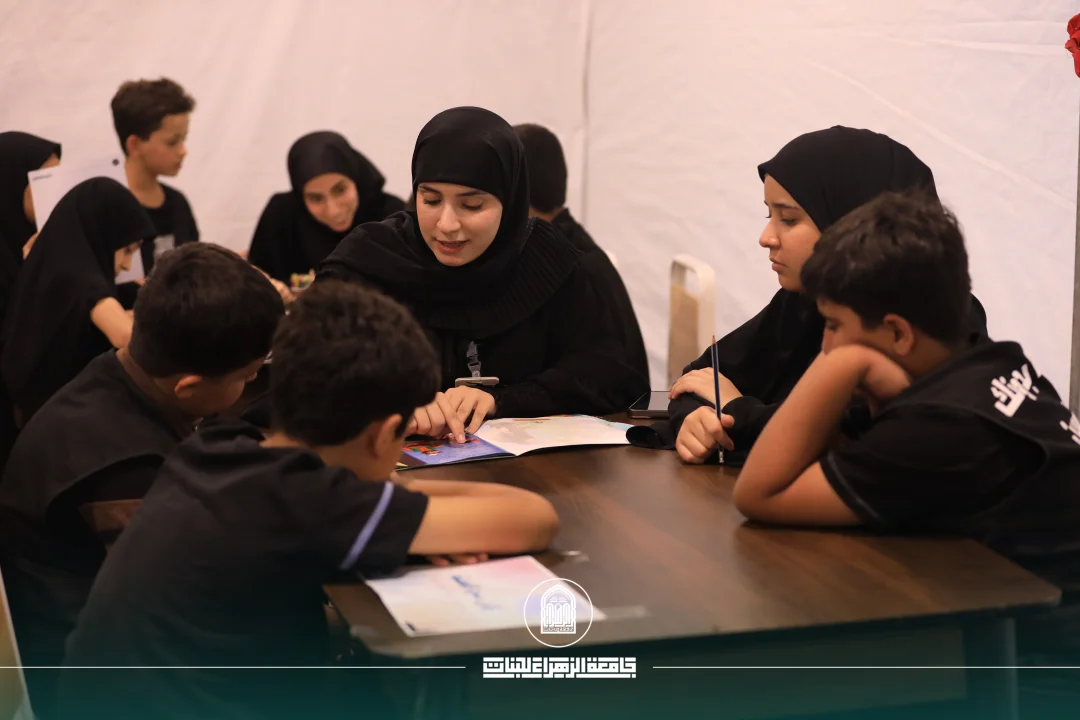
By the Hands of Engineering Students… Technology Transforms into a Husseini Service at Al-Zahraa University’s Arbaeen Procession
The students of the College of Engineering and Information Technology exemplified the highest standards of dedication and selfless service through their active participation in managing and organizing the Technology Corner at the university’s Arbaeen processio...
 College News
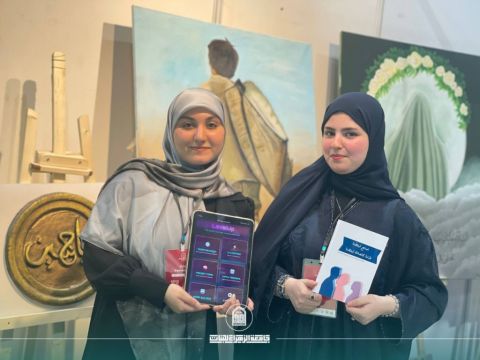
From Artificial Intelligence Engineering to the Engineering of Hearts: Two Students Launch a Book Rebuilding Bridges of Dialogue Between Generations
In a distinguished academic and cultural participation at the fourth edition of the “Ayn Al-Hayat” Festival, and within the platform of Al-Zahraa University for Women – College of Engineering and Information Technology, students Noor Al-Zahraa Saddam Hussein a...