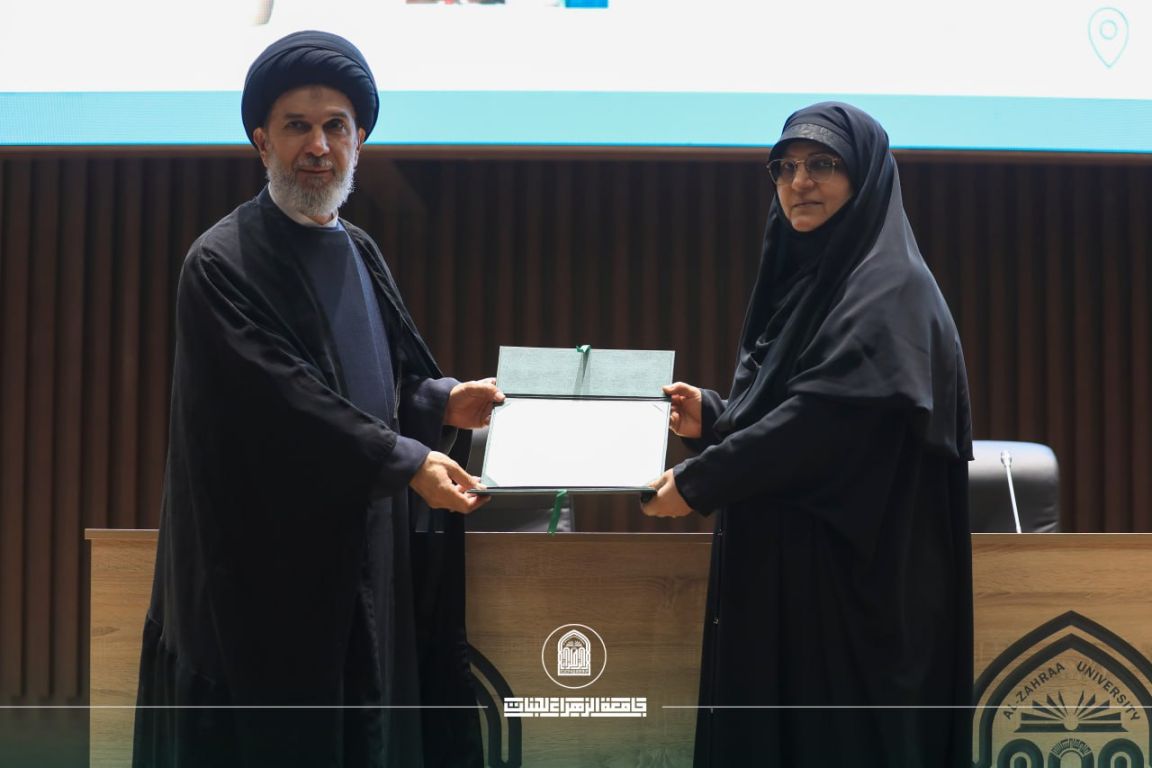
Under the auspices of the General Secretariat of the Imam Hussain Holy Shrine, and supervised by the President of the University, Prof. Dr. Zainab Al-Mulla Al-Sultani, and followed up by the Dean of the Faculty of Pharmacy, Prof. Dr. Noor Hatif Al-Dabbagh, the Continuing Education Center organized a specialized scientific workshop in collaboration with the Faculty of Pharmacy and the Nahj al-Balagha Sciences Foundation, titled:
“The Fatimi Model in Healthcare, Integrative Development, and Its Applications in Modern Pharmaceutical Practice.”
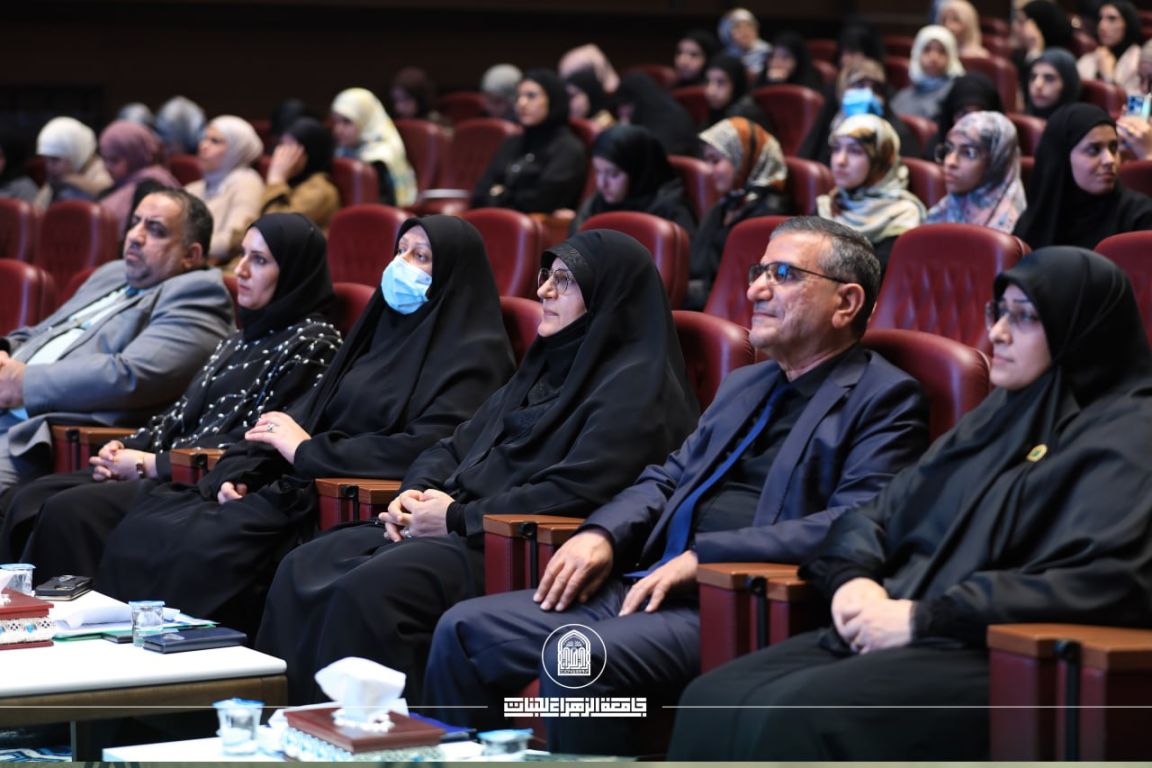
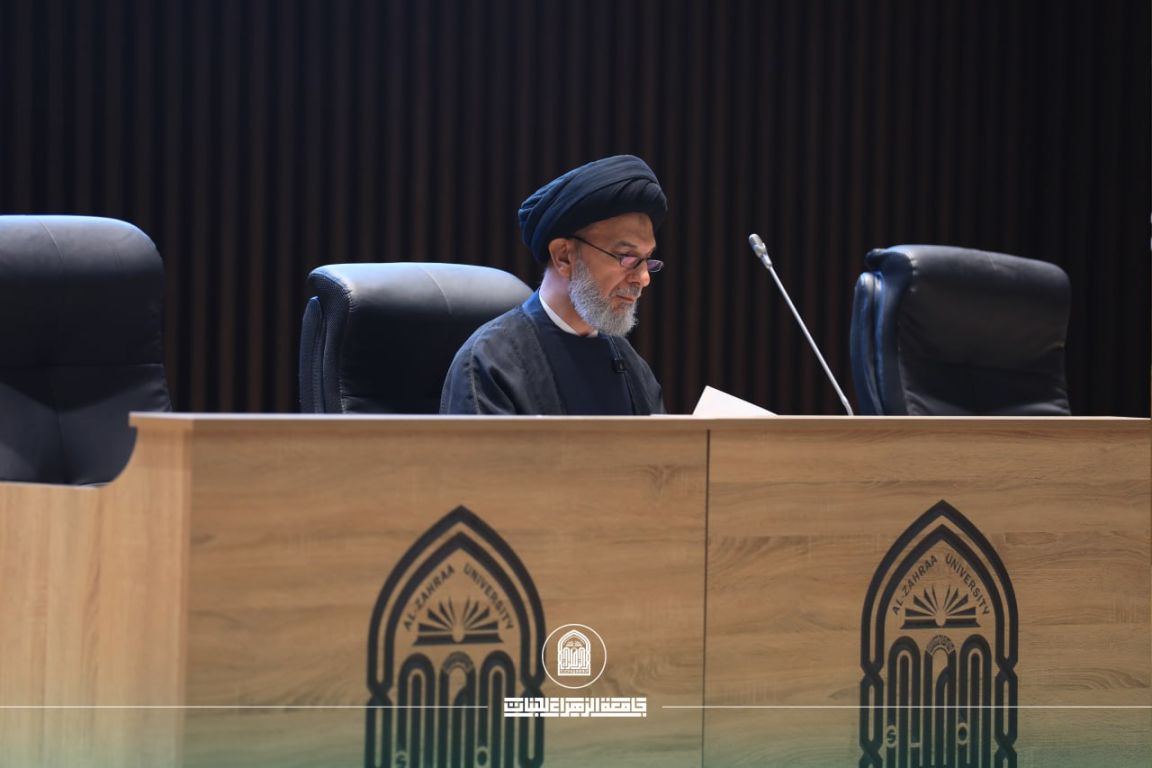
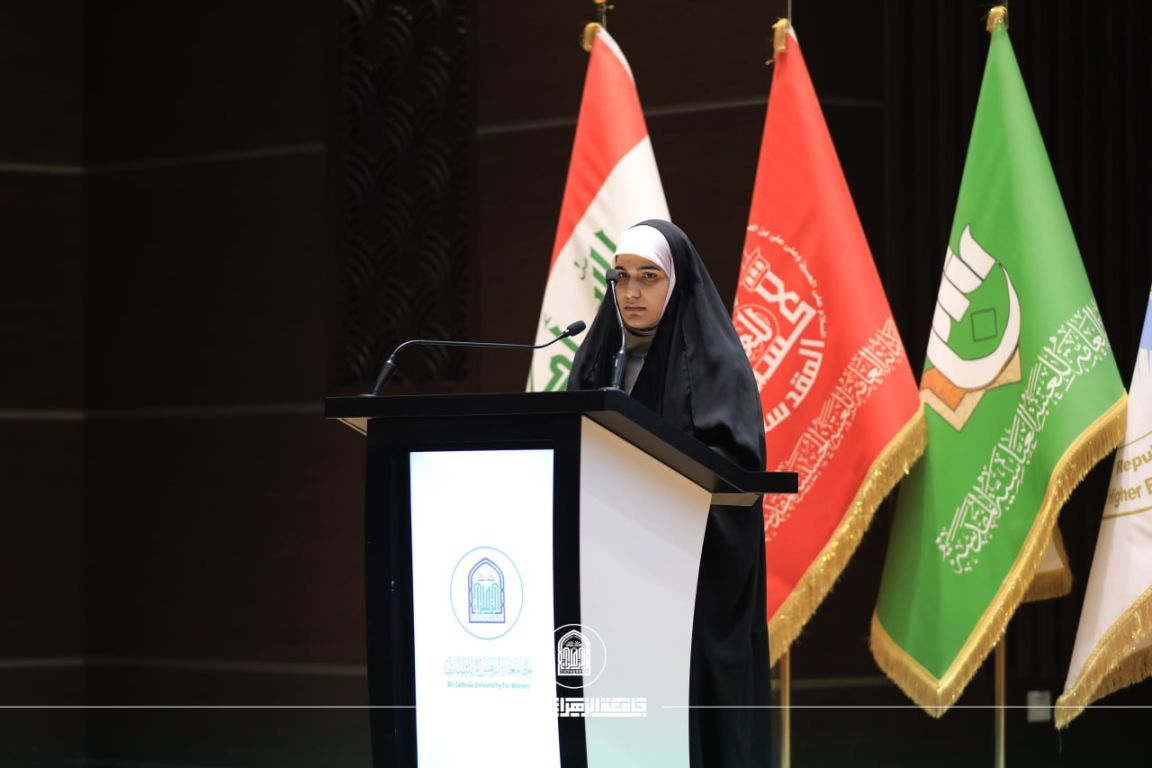
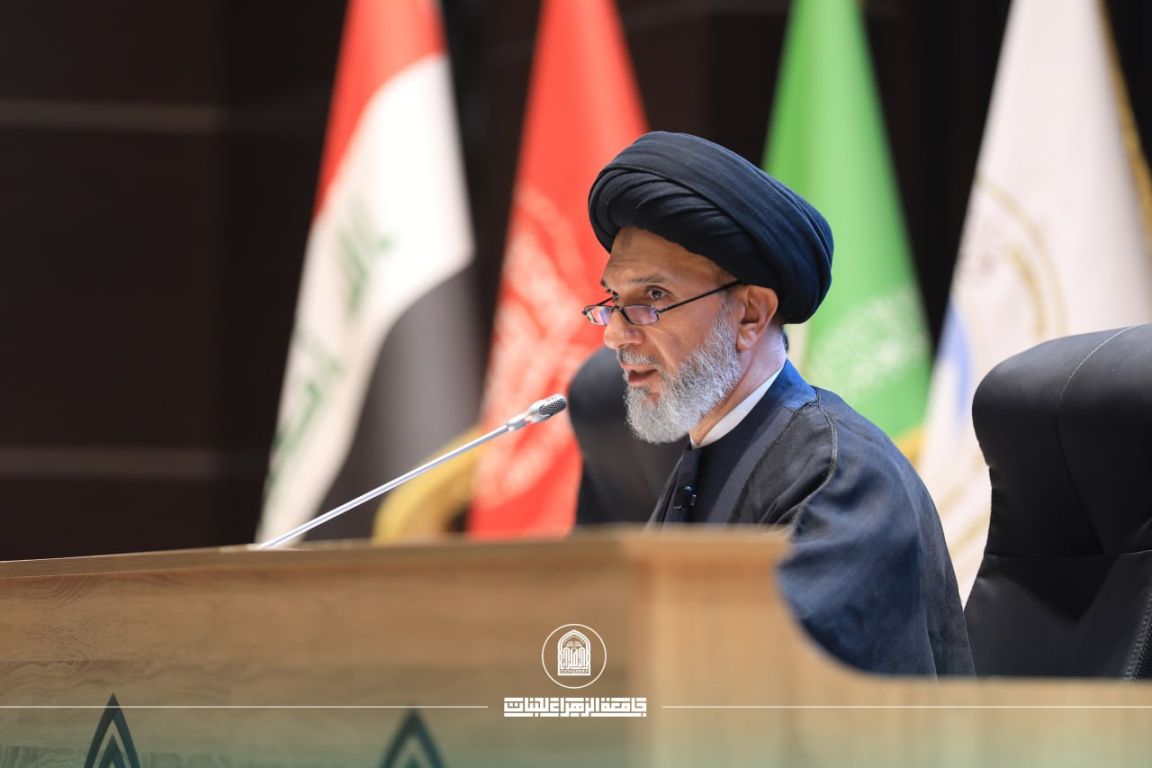
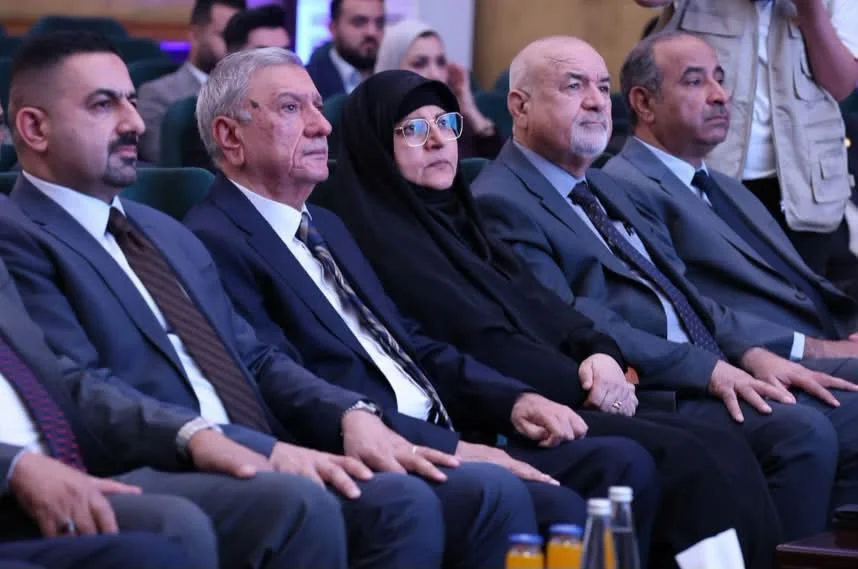
The workshop was delivered by Mr. Nabil Al-Hassani, President of the Nahj al-Balagha Sciences Foundation, coinciding with the commemoration of the martyrdom anniversary of Lady Fatima Al-Zahraa (peace be upon her), and attended by a number of faculty members and fifth-year pharmacy students.
The workshop presented a research-based framework aimed at building an integrated conceptual vision linking authentic Islamic heritage with modern medical and human sciences. It explored the principles of the Fatimi model in healthcare and examined how its values align with the foundations of contemporary pharmaceutical practice. The scientific content emphasized the importance of drawing from Fatimi heritage to strengthen the humanistic dimension within medication therapy, offering a deeper understanding of patients’ physical and psychological needs.
In his presentation, Sheikh Al-Hassani provided an analytical perspective that highlighted the intersections between Islamic knowledge and modern health sciences, demonstrating how this harmony can generate new research paths that enrich medical and pharmaceutical practice and reinforce professional ethics and responsibility.
This workshop falls within the university’s ongoing efforts to support scientific programs that enhance the qualification of pharmacy students and elevate their competencies. It underscores the evolving role of the pharmacist in modern healthcare, a role that now extends beyond dispensing medication to providing integrated care through pharmaceutical counseling, health follow-up, and raising patient awareness on the safe and effective use of treatments, ensuring their active contribution to the healthcare system.
Translated by Zahra’ Salman Revised by Asst. Lect. Safa’ Al-Sadi
Attachments
Related Posts
Further reading and related articles you may find useful.
 University News
SCImago Ranking Includes ZUW and Strengthens its Research Standing
The results of the 2026 edition of the SCImago Institutions Rankings have revealed the inclusion of Al-Zahraa University for Women among the academic institutions featured in this global ranking, reflecting the growing momentum of the University’s scientific a...
 University News
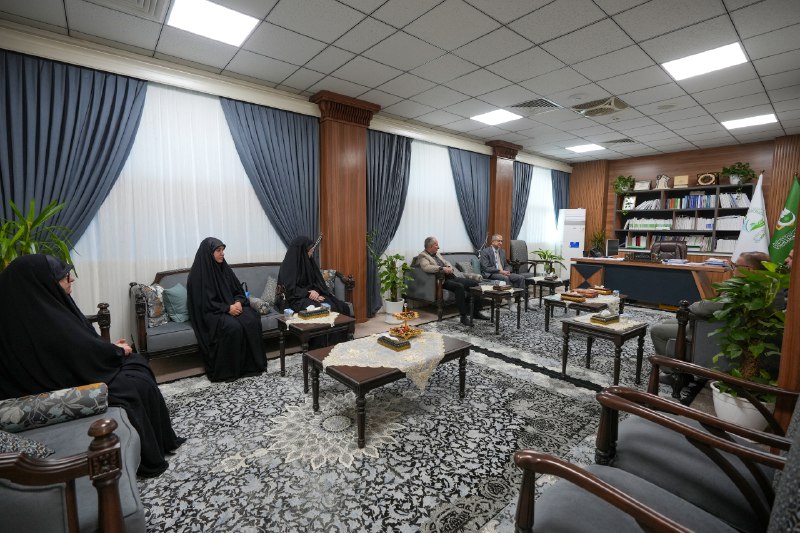
Al-Zahraa University Delegation Considers Female Graduate Work Follow up with Al-Warith and Al-Amid Educational Groups
A delegation from Al-Zahraa University for women visited Al-Warith and Al-Amid Educational Groups. The two visits came to activate the tasks of the Rehabilitation, Employment and Follow-up Division at the University in order to follow up the on the work of Uni...
 University News
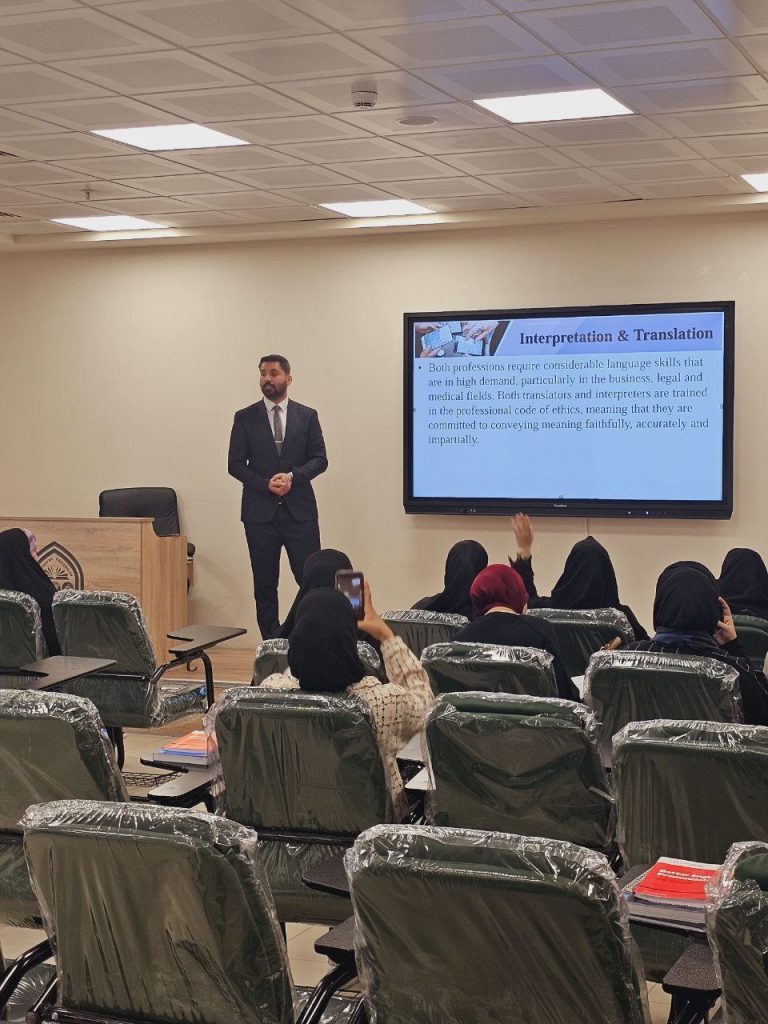
English Language Department holds scientific workshop entitled "Interpretation and Translation"
English Language Department holds scientific workshop entitled "Interpretation and Translation" Under the aegis of Al-Zahraa University President and the direct supervision of the Dean of Education Faculty, the Department of English Language holds a scientific...