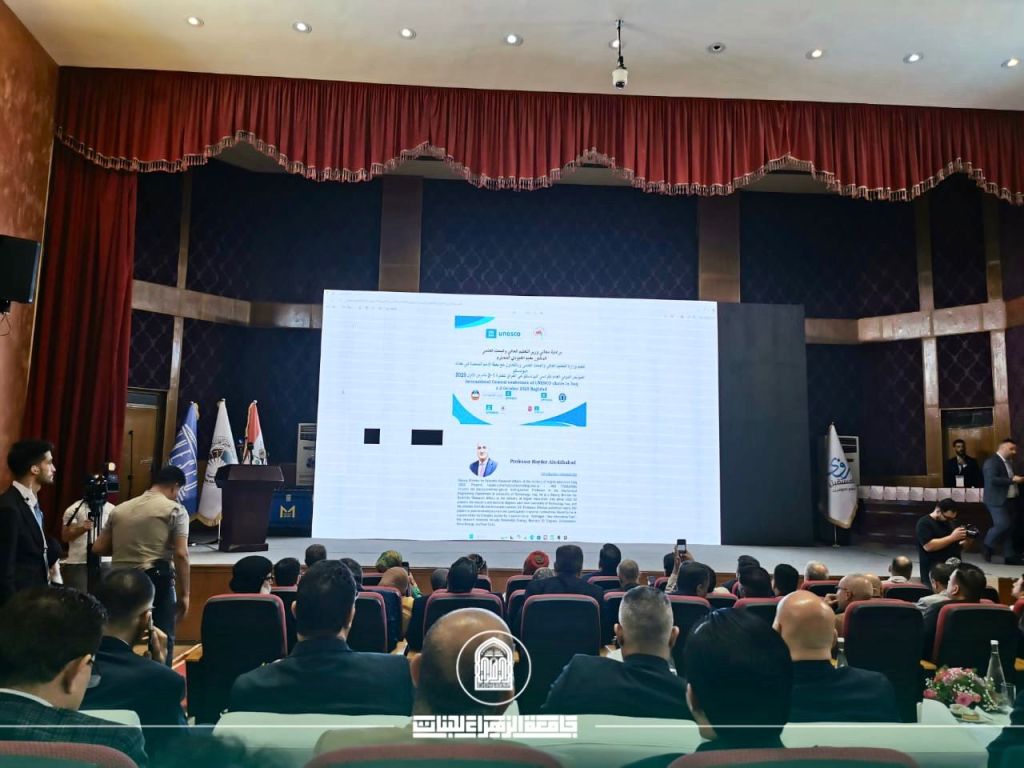
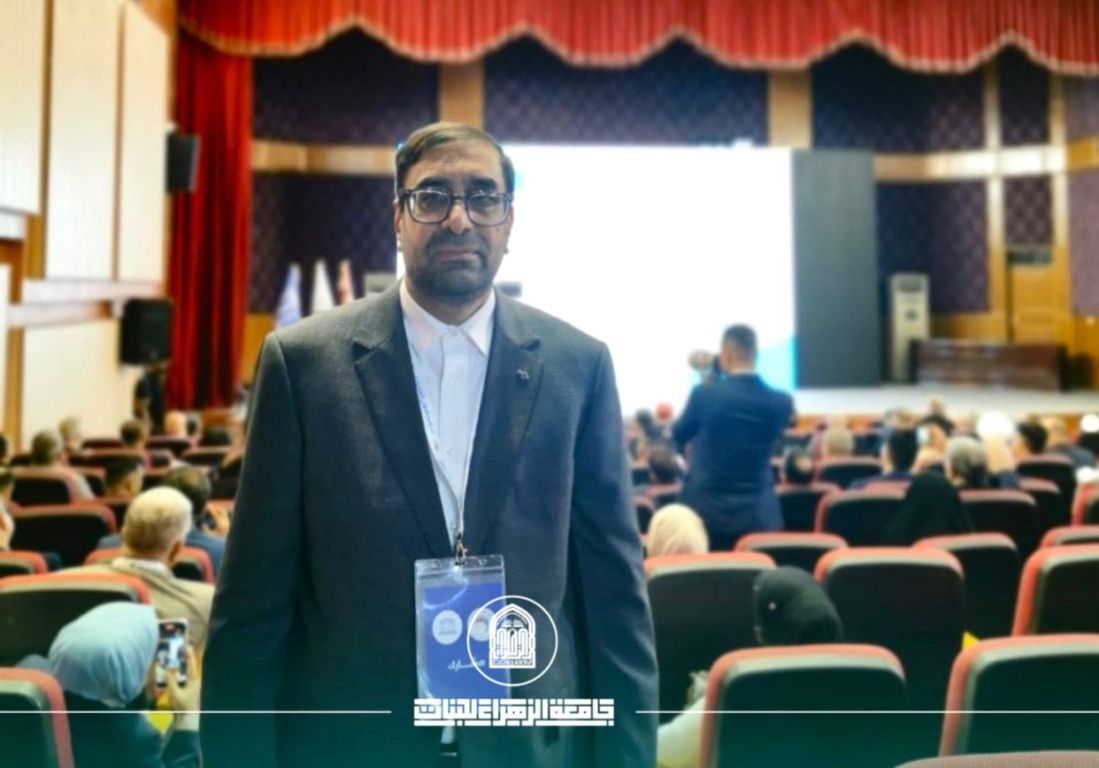
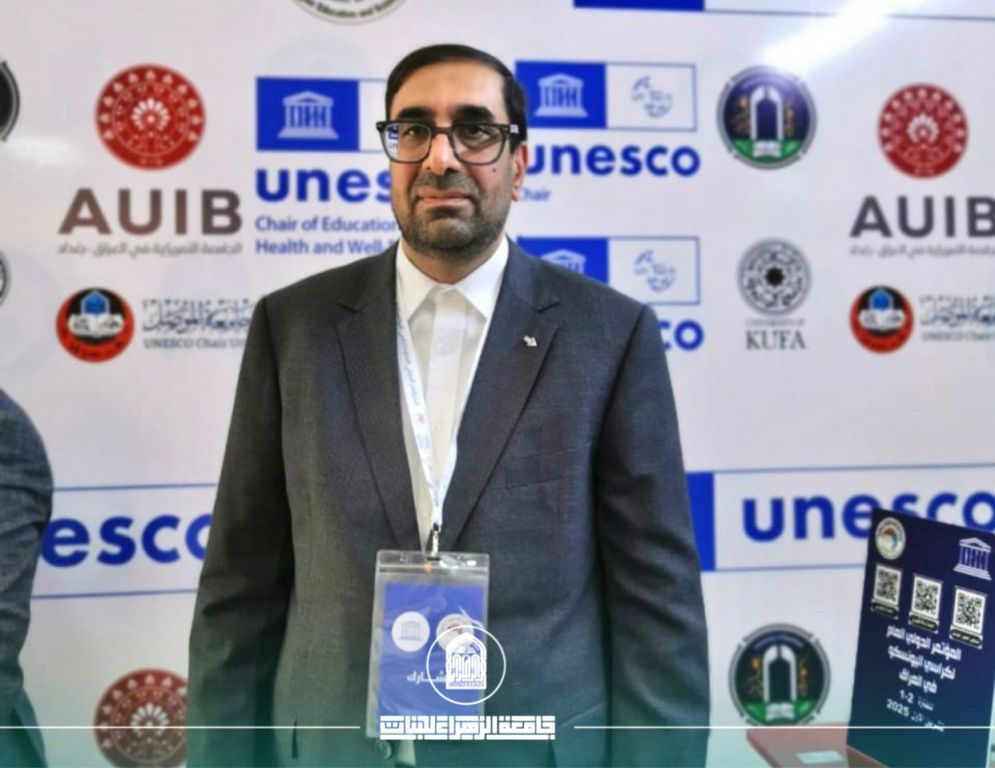
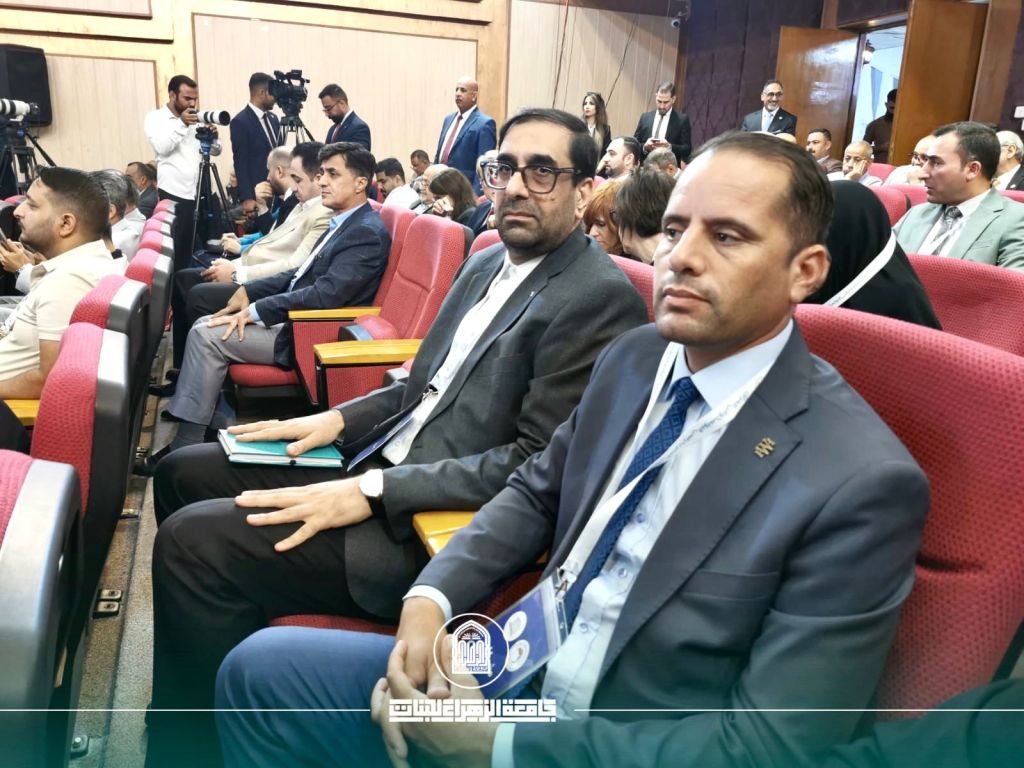
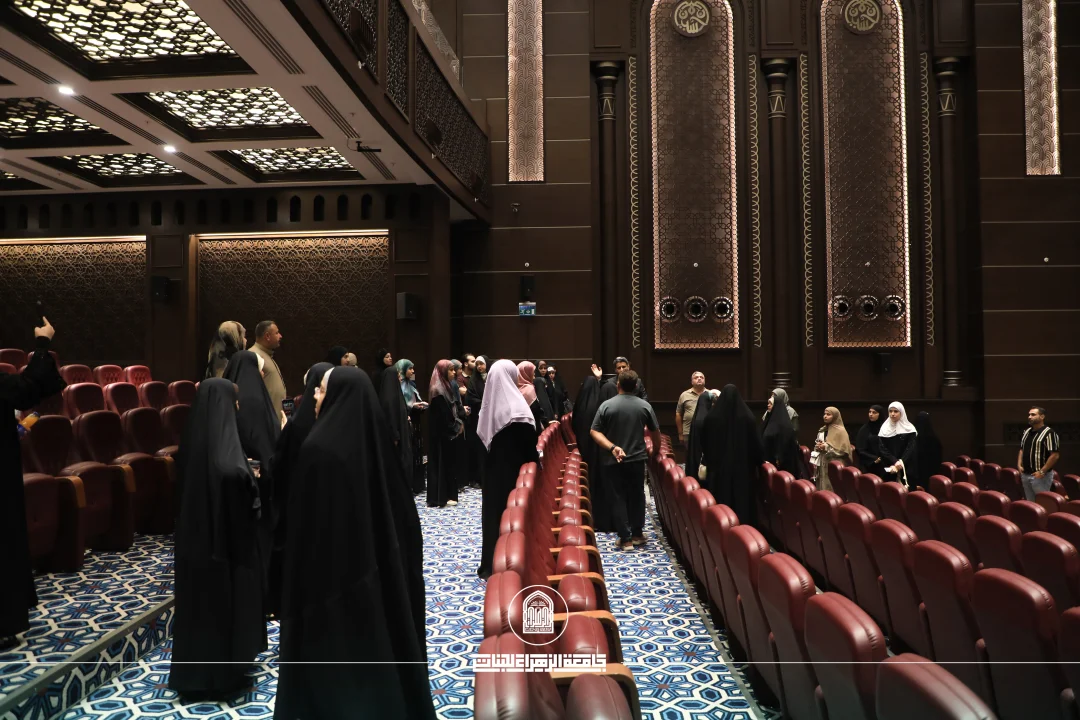
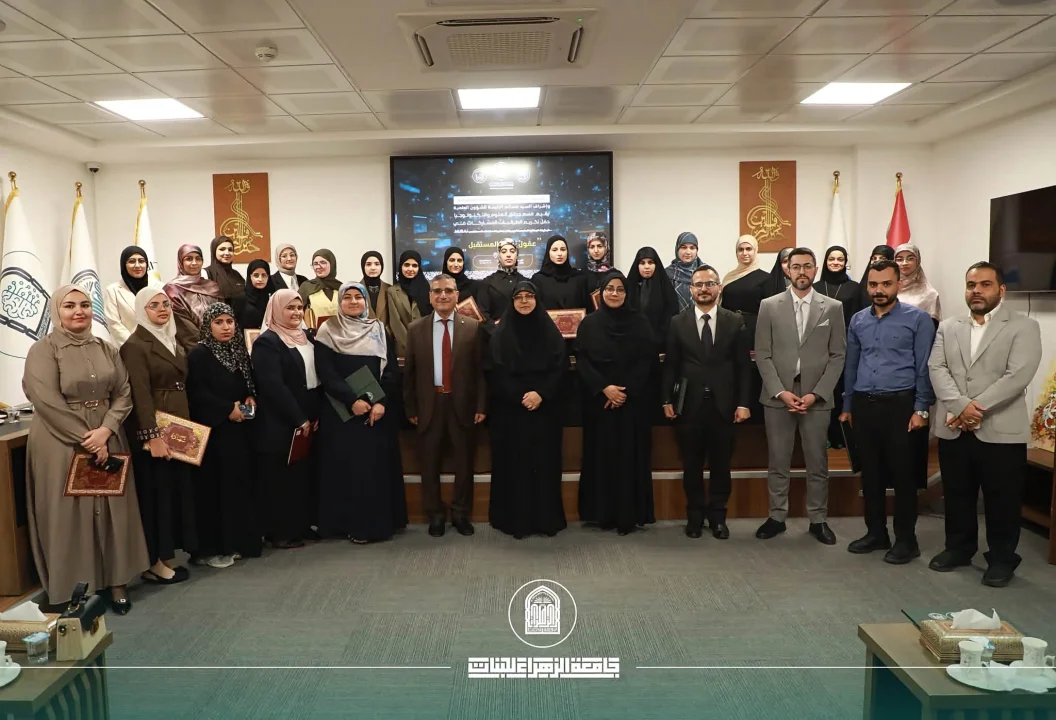
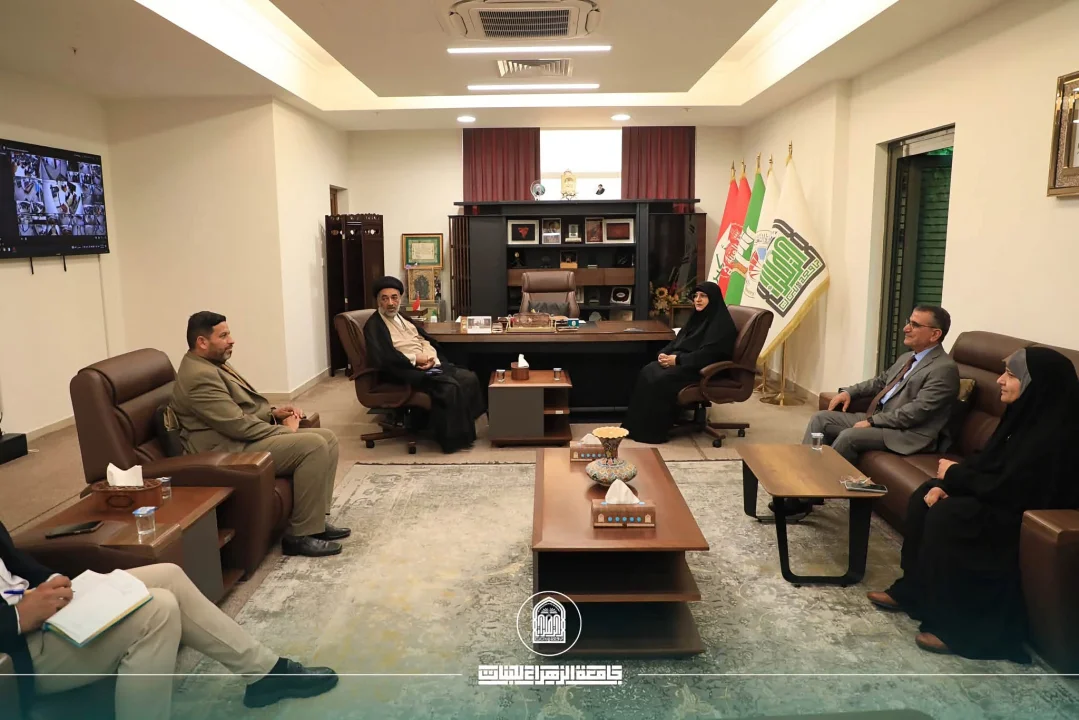
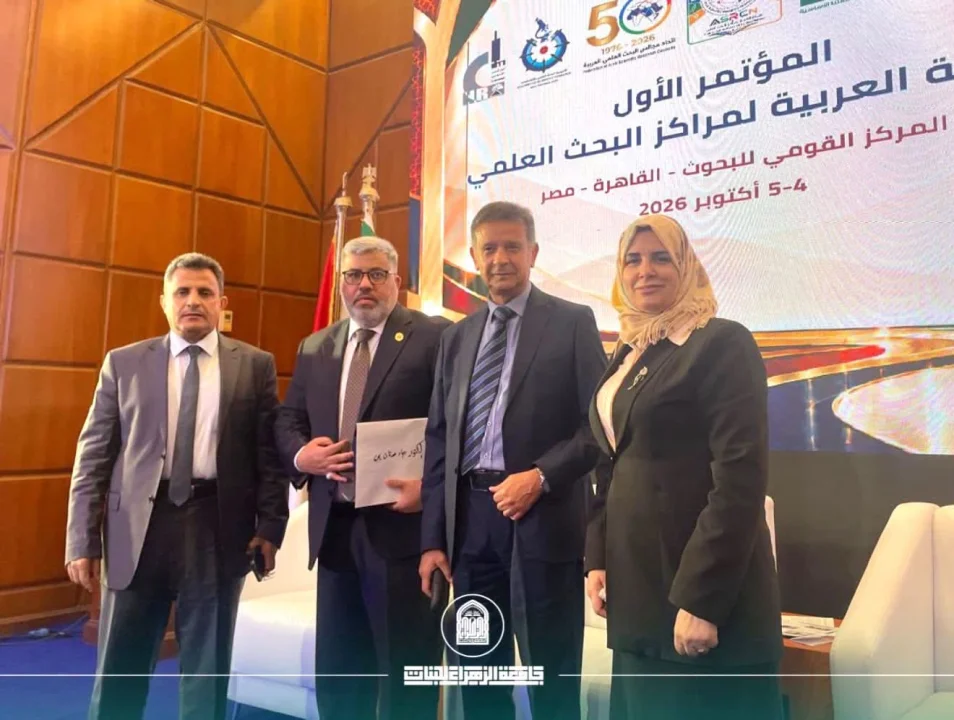
Al-Zahraa University for Women participated in the International General Conference of UNESCO Chairs in Iraq organised in cooperation with the United Nations Mission at the University of Baghdad / Faculty of Media, with broad official and academic attendance. The University was represented by Prof. Dr. Ali Ja’far Al-Husseini, Director of the Scientific Affairs Department.
The Scientific Undersecretary of the Ministry of Higher Education and Scientific Research attended the conference, along with Dr. Alexandros Makarigakis, representative of UNESCO in Iraq, a slew of university presidents, deans, and officials of cultural relations and academic missions. The proceedings also featured a virtual intervention by a UNESCO representative from the United Kingdom, focusing on the reality of education in Gaza.
The conference reviewed the development of UNESCO Chairs in Iraq, noting that the first chair was established in 1992, and that Iraq currently hosts four specialised chairs in areas including interfaith dialogue, heritage, peace, education and training, with plans to establish a new chair in the near future. The UNESCO representative highlighted the presence of more than 80 UNESCO Chairs across the Middle East and North Africa, emphasising the significance of strengthening academic partnerships in Iraq to advance scientific research and higher education. Additionally, quoting Nelson Mandela, he stated: “Education is the most powerful weapon which you can use to change the world.”
During its participation, the University stressed the importance of establishing a UNESCO Chair dedicated to women’s affairs, as a strategic step to support scientific research and women’s issues, enhance the University’s societal role, and contribute to improving its international ranking. The University also stressed the need to intensify cooperation with international and local academic institutions, foster exchange of expertise and research programmes, and develop academic staff, all in line with its mission to promote distinguished scientific research, empower women academically and socially, and lead in education and community service.
Translated by Zahra’ Ala’, revised by Asst. Lect. Safa’ Al-Sadi
Attachments
Related Posts
Further reading and related articles you may find useful.
 University News
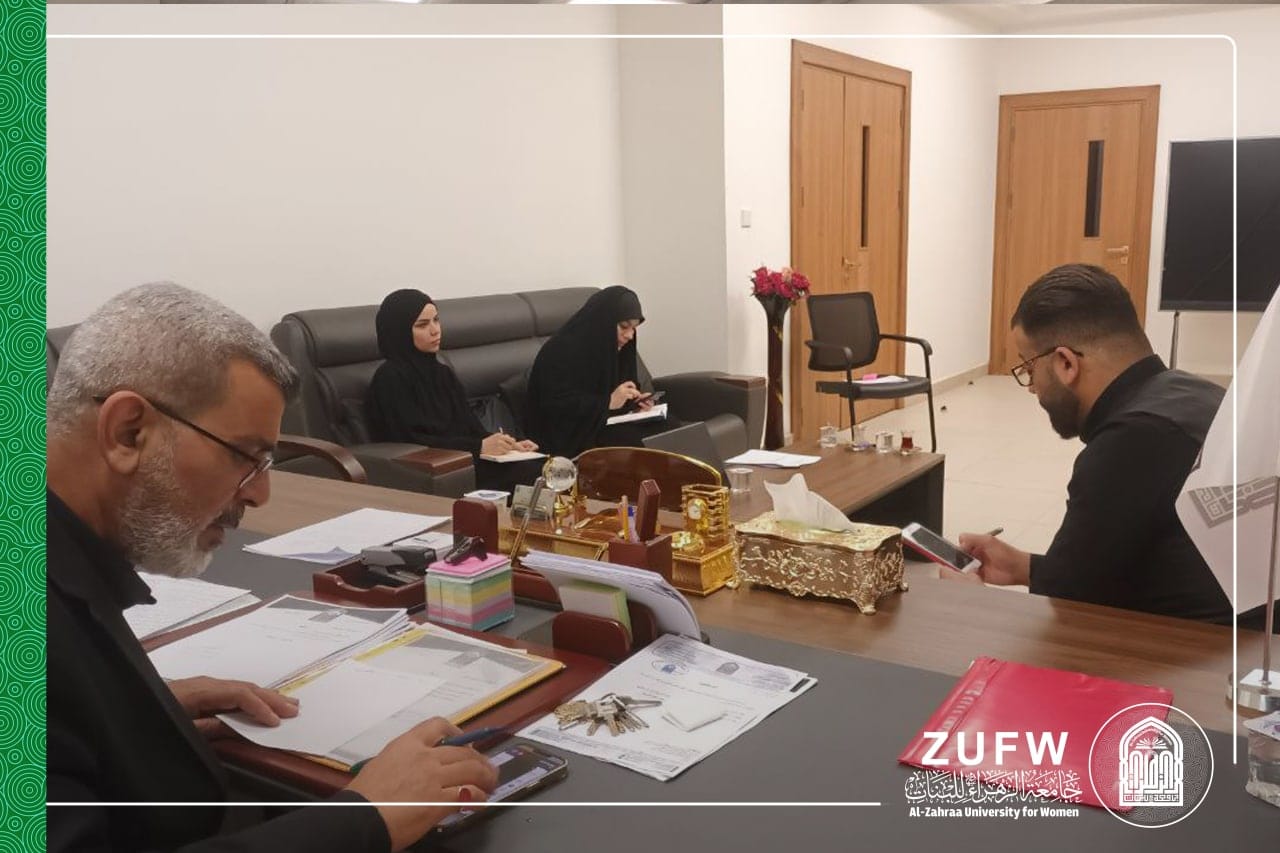
Faculty of Education Holds Expanded Meeting with Department Heads to Discuss Requirements for Upcoming Academic Year
The Faculty of Education at Al-Zahraa University for Women held an expanded meeting with its three academic departments: the Department of English Language, the Department of Arabic Language, and the Department of Mathematics. The said meeting was convened to...
 University News
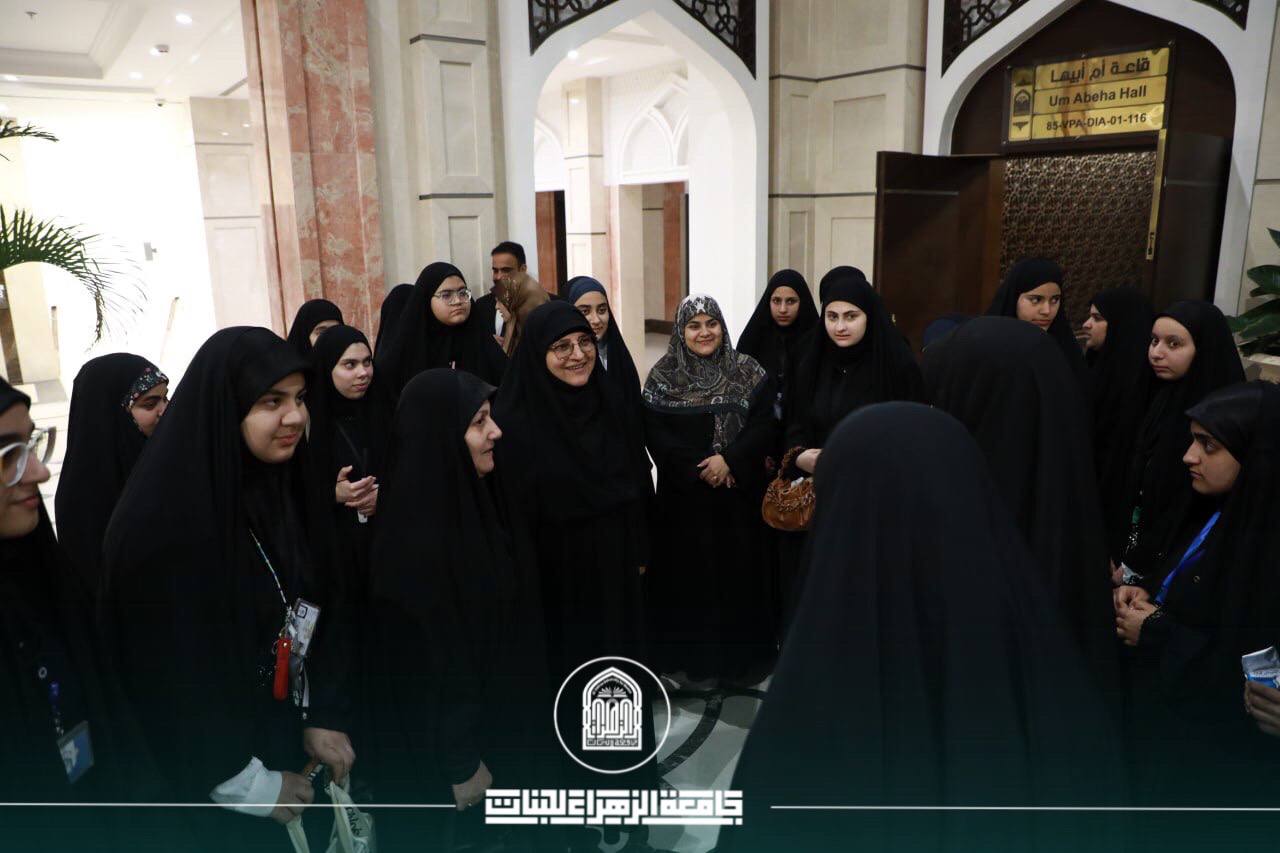
Humanitarian Initiative to Promote Social Solidarity Sponsored by the University Presidency
In a gesture of generosity and compassion, Al-Zahraa University for Women, under the aegis of its President, Prof. Dr. Zainab Al-Mulla Al-Sultani, organized a Ramadan Iftar banquet for dormitory female residents. Furthermore, orphaned female students from Al-T...
 University News
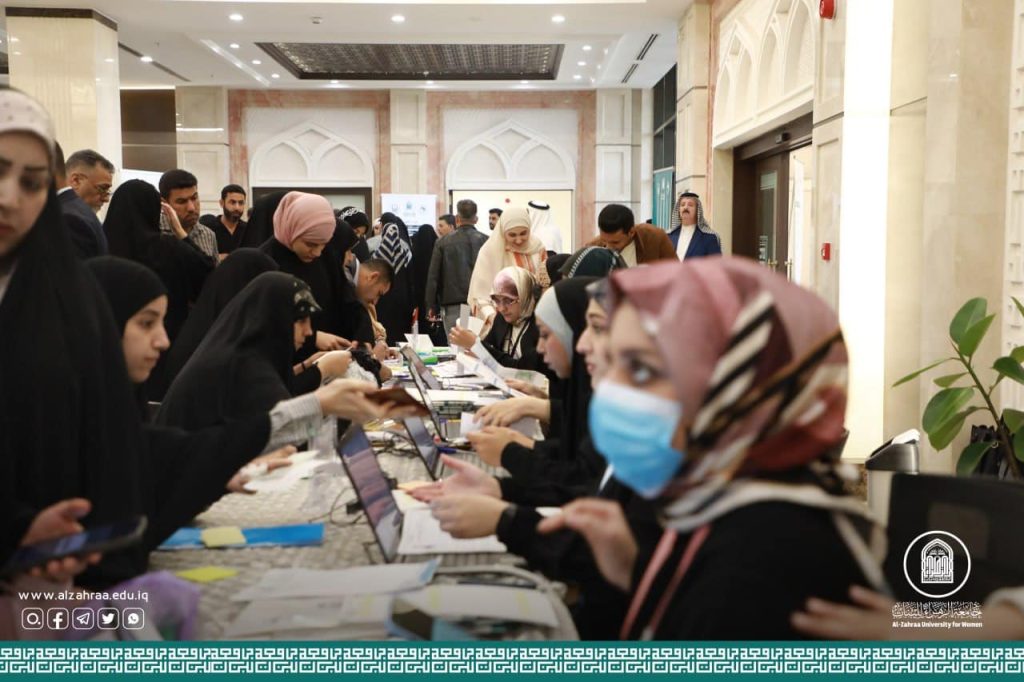
ZUW Continues Registration of Female Students Across Faculties and Departments with High-Level Organisation
On the seventh day of registration, the registration of the first, second, third, and fourth batches has been completed, while the University awaits the arrival of the code for the fifth batch in preparation for receiving them. Translated by Zahra’ Ala’
 University News
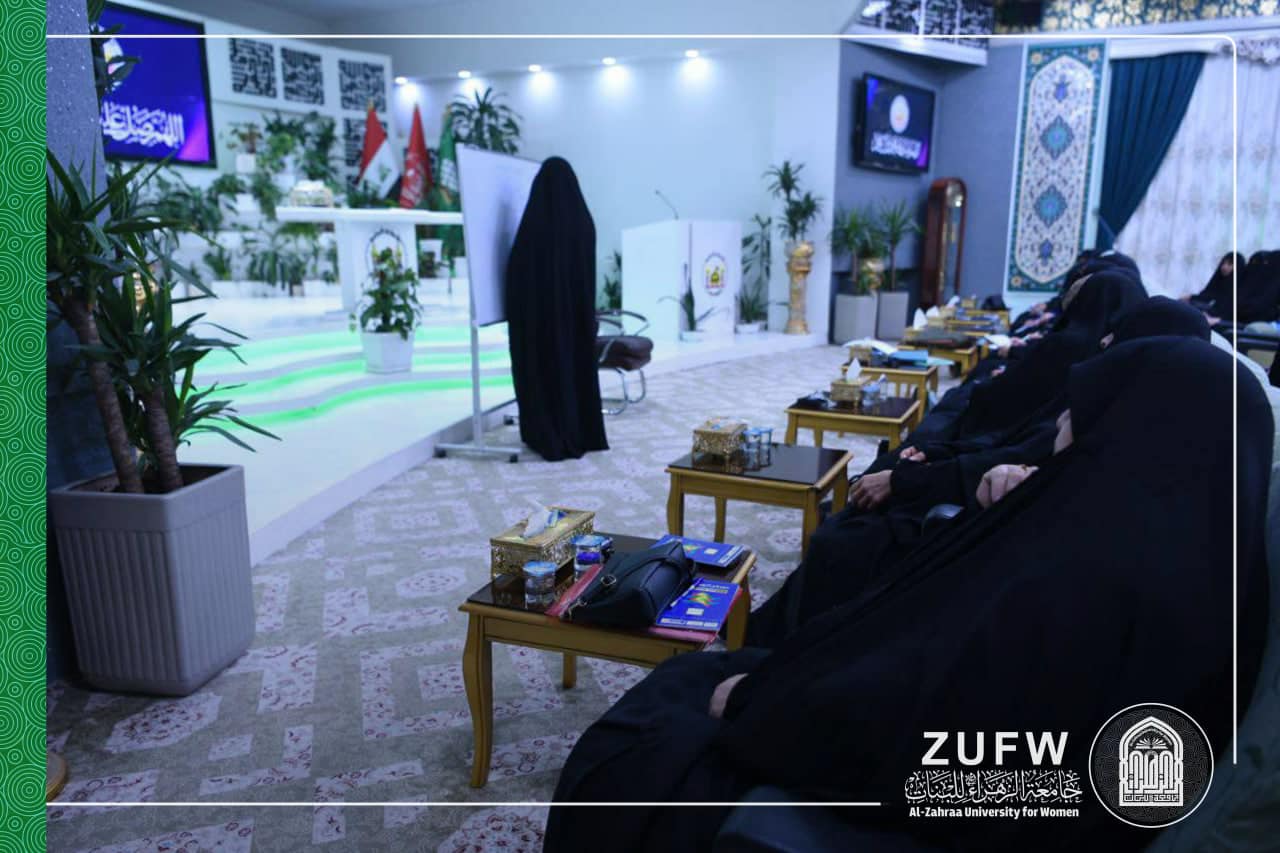
Imam Hussein Holy Shrine Holds Meeting with Female Heads of Affiliated Institutions in Preparation for Cultural Festivals
Imam Hussein Holy Shrine organised a meeting in Khatam Al-Anbiyaa Hall, bringing together a number of female heads of institutions affiliated with the Holy Shrine to discuss several women’s activities and initiatives. The meeting addressed a number of key topi...